




Antique Standing Photo Frame
An antique standing photo frame holds family portraits upright on a desk or mantelpiece, bringing period character into a modern room.
Antique Standing Photo Frame
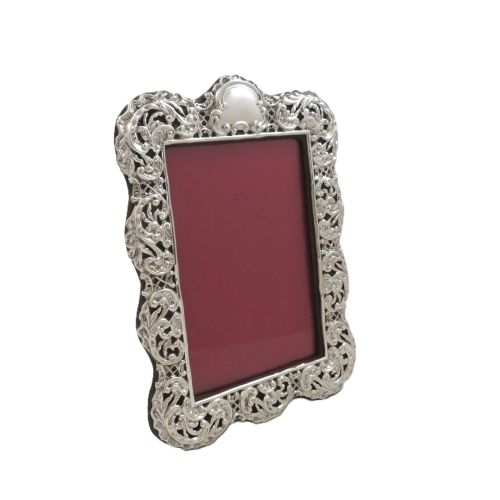
An antique standing photo frame is a desk or tabletop accessory designed to display portrait and landscape photographs. These items range from small vanity pieces to large display frames intended for prominent placement in a room.
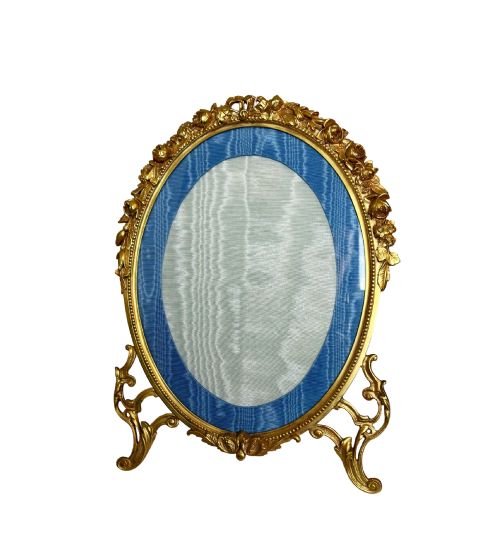
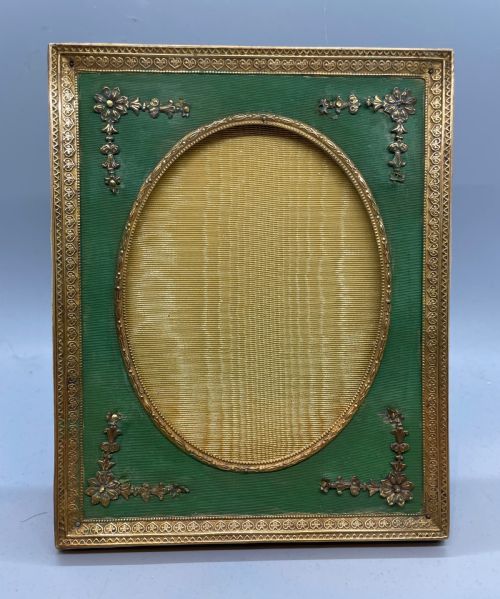
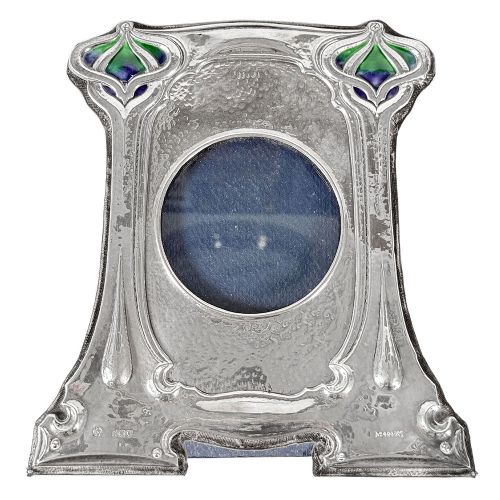
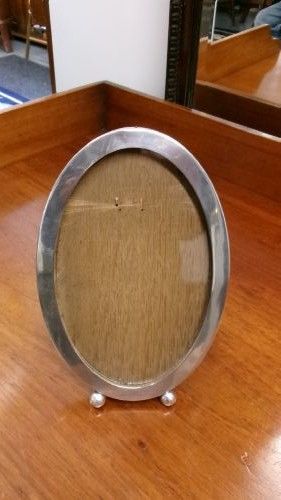
The versions most commonly met on this page date from the Victorian, Edwardian, and Art Deco periods. They appear in diverse forms, including oval shapes, heart designs, and round configurations.
Makers produced these objects to stand securely on flat surfaces using hinged struts or easel backs. Many incorporate glass fronts and supportive wooden or velvet backs to protect the photograph within.
Materials and construction methods
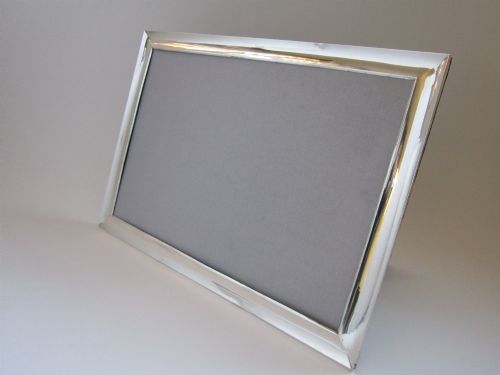
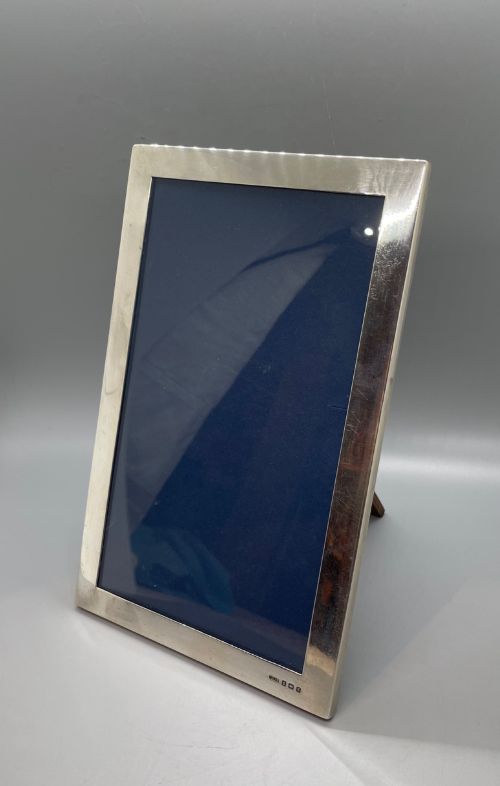
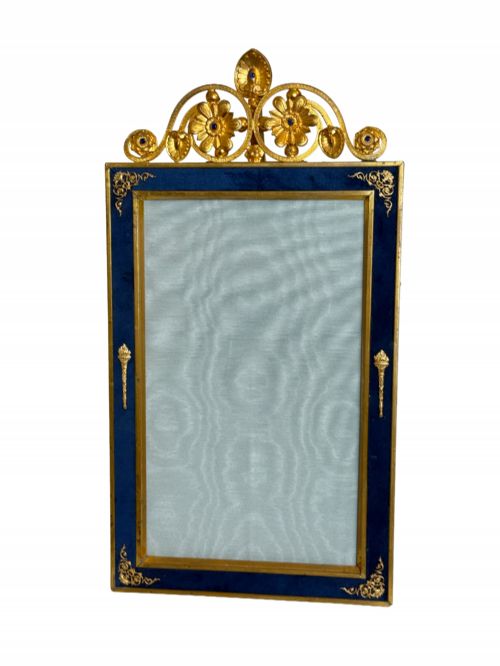
Metals form the core of construction, with sterling silver, brass, gilt bronze, and ormolu appearing frequently across the listings. Silversmiths stamped, embossed, and engine-turned these metal sheets to create decorative borders.
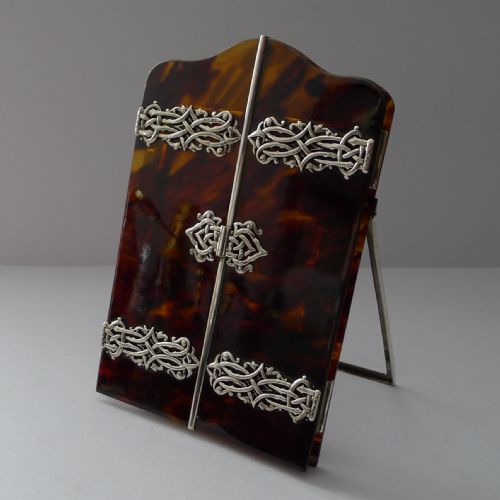
Makers combined metal with other tactile elements such as tortoiseshell, enamel, velvet, and leather. Glass protected the portrait surface while structural backs utilised wood, fabric, or iron.
Listings show materials spanning sterling silver, gilt bronze, brass, tortoiseshell, velvet, and wood across Victorian and Art Deco periods.
Assessing quality in framing
Quality rests in the crispness of the chased or embossed metalwork and the integrity of the structural elements. Finer examples display precise hallmark stamps, uncompromised tortoiseshell panels, and secure easel mechanisms.
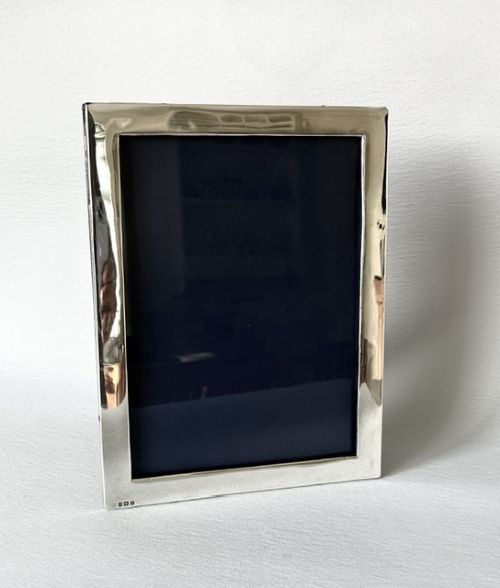
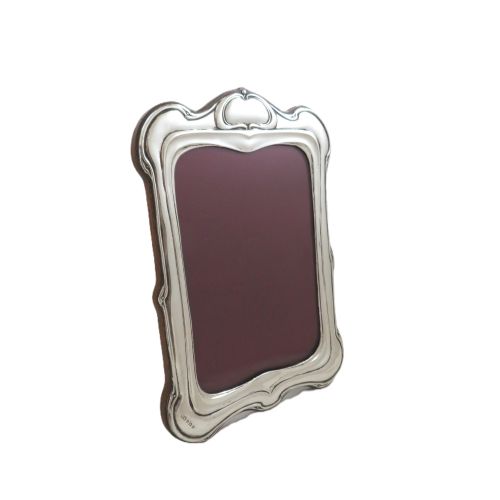
The sophistication of the design dictates distinction, moving from plain borders to complex Art Nouveau whiplash lines or geometric Art Deco forms. Materials like sterling silver and gilt bronze elevate a piece above standard brass or iron.
William Hutton and sons·Syner and Beddoes·Moseley·William Comyns
The Antique Standing Photo Frame Glossary
- Sterling silver
- A silver alloy containing 92.5 percent pure silver by mass, frequently used by British silversmiths for hallmarked frames.
- Ormolu
- Gilded bronze applied to decorative objects, popular in French and English pieces from the nineteenth century.
- Engine-turned
- A decorative technique involving precise geometric patterns engraved into metal by a lathe.
- Easels
- The hinged struts attached to the reverse of frames that allow them to stand upright on a table.
Antique Standing Photo Frame: Frequently Asked Questions
How do I date a silver photo frame?
Silver frames often carry hallmarks stamped directly onto the metal border. These marks reveal the assay office, such as Birmingham or Chester, alongside a date letter indicating the exact year of production.
Stylistic cues also help determine age. Floral embossed borders typically point to Edwardian or Victorian periods, whereas geometric lines suggest later Art Deco manufacture.
What is an easel back?
An easel back is a hinged wooden or metal prop attached to the rear of the frame. It swings outward to support the object securely on a tabletop or desk surface.
Many antique frames also feature fabric or leather coverings on these backs, often secured with small metal turn-buttons to hold the photograph inside.
How were these frames used originally?
Victorians and Edwardians placed these frames on dressing tables, mantelpieces, and writing desks to display portraits of family members. They served both a sentimental purpose and a decorative function in the home.
Some variants were designed as double frames or table top display boxes for multiple carte de visite photographs.
Can I replace the glass in an antique frame?
Original glass remains desirable, but modern replacement glass can be fitted safely if the original is broken. Care must be taken not to damage the delicate metal settings or antique bezels during the process.
Professional framing specialists can cut glass to match the specific oval, circular, or rectangular apertures found in period pieces.