
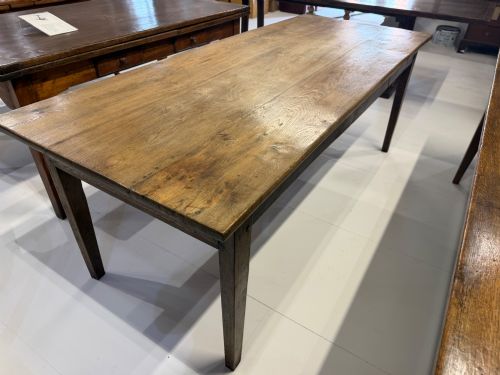
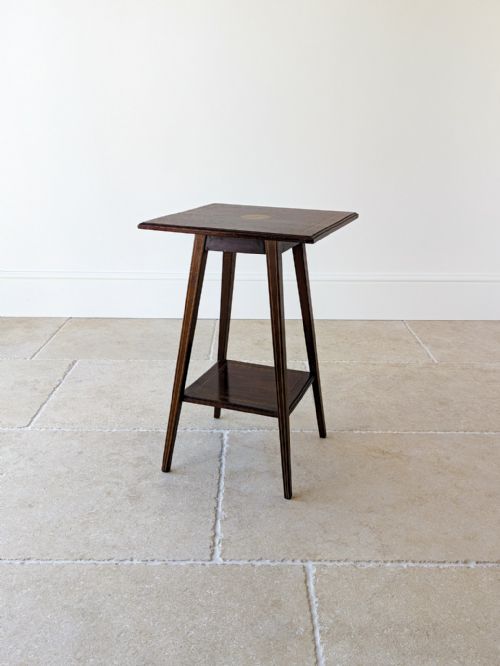
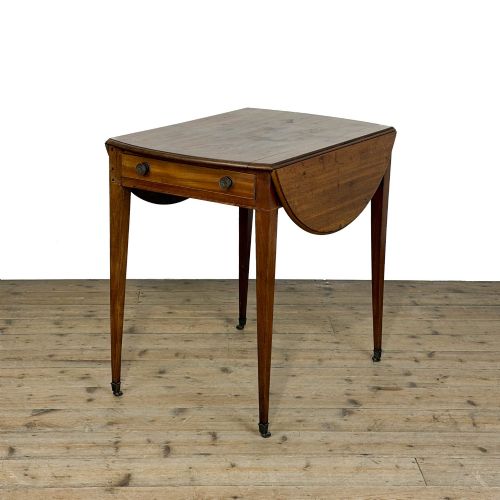
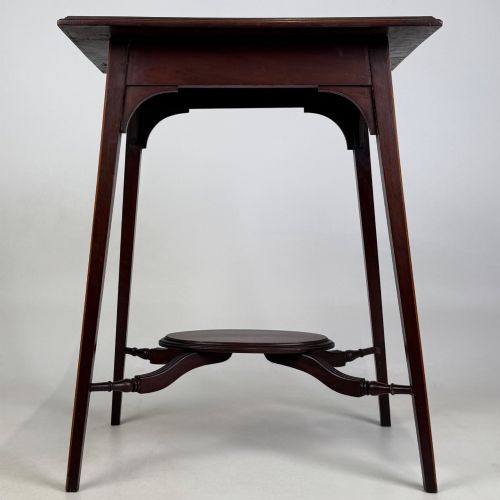
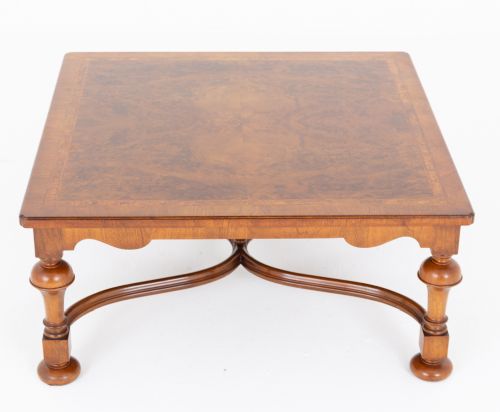
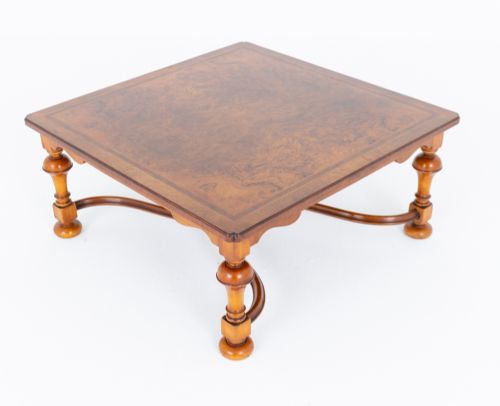
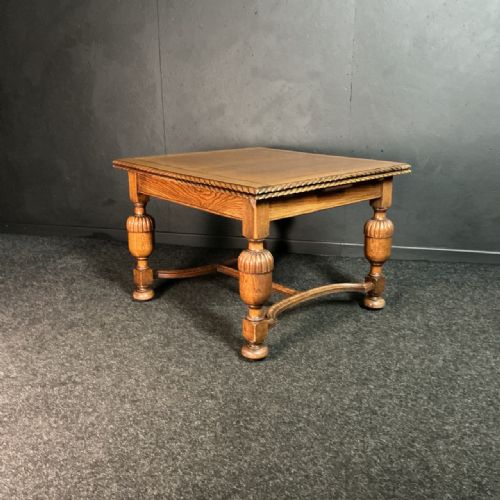
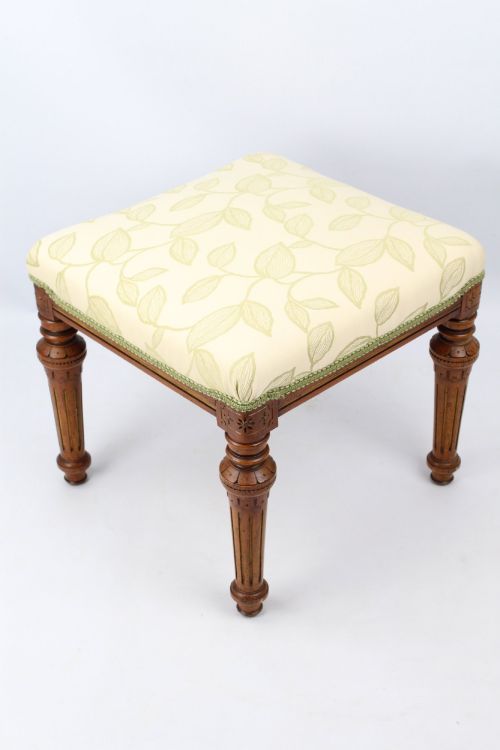

Antique Square Leg Table
An antique square leg table offers sturdy geometric lines and honest joinery, built to serve across centuries of domestic use.
Antique Square Leg Table
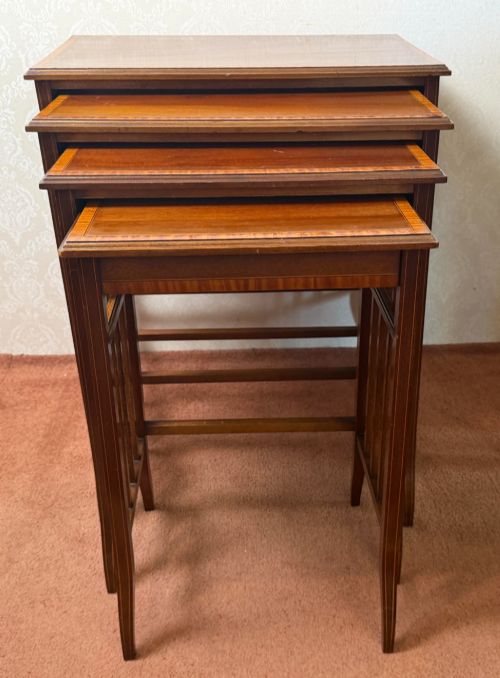
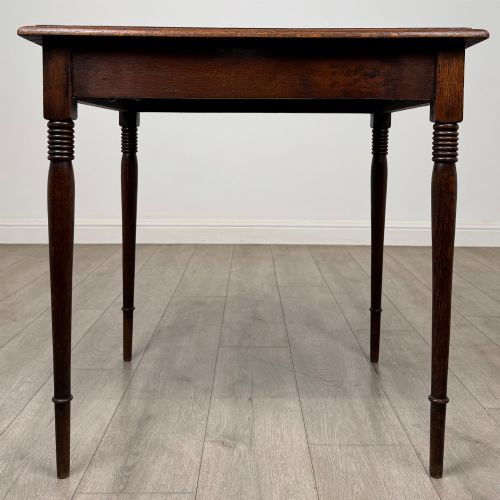
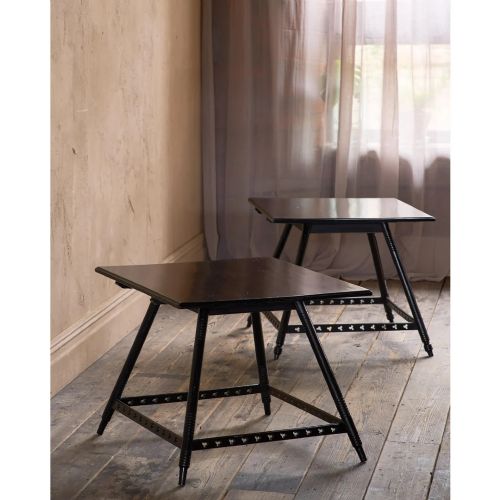
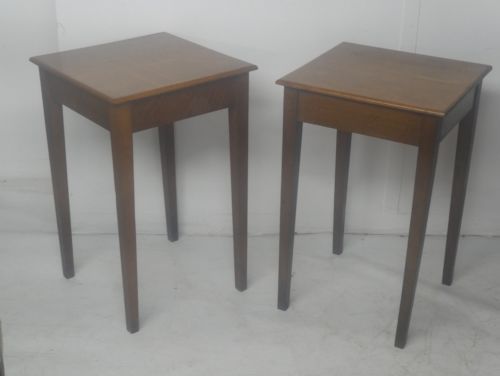
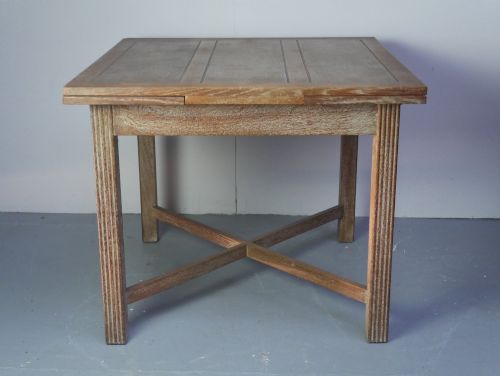
An antique square leg table encompasses a wide variety of domestic furniture forms, spanning side tables, occasional tables, dining tables, and card tables. Buyers searching for an antique square leg table will encounter examples shaped by Georgian, Edwardian, and Victorian hands, alongside pieces from the early twentieth century. These domestic items utilise upright supports of a square section rather than turned or cabriole profiles, creating a crisp silhouette.
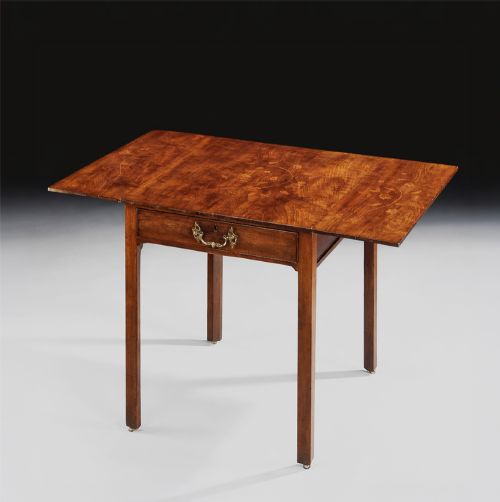
The materials span classic hardwoods such as mahogany and oak, alongside lighter timbers like satinwood, walnut, and pine. Originating from periods ranging from the eighteenth century through to the Edwardian era, these tables reflect shifting tastes in domestic design. Side tables and pembroke variants predominate, though lamp tables, coffee tables, and larger dining formats also appear within the selection.
What varies in quality
The distinction between standard examples and the finest pieces rests upon the selection of timber and the precision of decorative inlay. Tables featuring figured veneers, satinwood cross banding, and delicate stringing reflect higher workshop ambition than plain utilitarian variants.
Proportion and execution of the square supports dictate the visual balance of the piece, where crisp arrises and well-proportioned tapers elevate the design. The integrity of the timber figure, particularly in mahogany, burr elm, or walnut surfaces, determines the distinction at the upper end of the range.
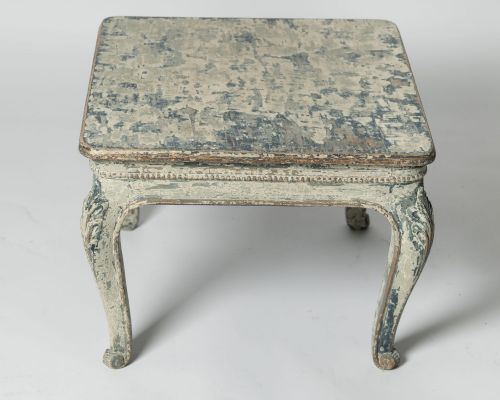
Some tables double as stools, proving that eighteenth-century makers appreciated multi-tasking furniture long before modern flats existed.
Baillie Scott·Heals·Hepplewhite
The Antique Square Leg Table Glossary
- Pembroke table
- A small occasional table with hinged drop leaves on either side, often fitted with a single drawer.
- Cross banding
- A strip of veneer applied to the border of a tabletop so that the grain runs at right angles to the central panel.
- Draw leaf table
- A dining table with two sliding leaves concealed beneath the main top that pull out to extend the surface.
- Marquetry
- Decorative patterns formed by the insertion of pieces of wood, shell, or ivory into a veneered surface.
- Boxwood
- A dense, pale yellowish wood frequently utilised for fine stringing and inlay work on eighteenth and nineteenth-century furniture.
Antique Square Leg Table: Frequently Asked Questions
What periods do these tables cover?
The pieces span from the eighteenth century through the Georgian and Regency eras, extending into Victorian, Edwardian, and early twentieth-century production.
Craftsmanship evolves across these periods from formal cabinetmaking with intricate inlay to simpler Edwardian and rustic interpretations.
How do I identify a square tapered leg?
A square tapered leg narrows evenly on two or four sides as it approaches the foot, creating a straight-lined, geometric profile rather than a curved or turned shape.
This form is frequently encountered on Georgian and revival pieces, offering a lighter visual appearance than heavy square posts.
Where were these tables used?
They served multiple domestic functions in drawing rooms, parlours, dining rooms, and country house kitchens depending on their specific form.
Pembroke and side tables fitted easily against walls or beside seating, while larger formats accommodated dining and daily household tasks.
How do I care for timber surfaces?
Maintain finished hardwood surfaces with appropriate wax polishes and protect them from direct heat sources and excessive moisture.
Scrubbed pine and untreated oak require gentle cleaning methods to preserve the natural grain and texture of the wood.