




Antique Sporting Collectables
These antique sporting collectables unite the fields of past recreation and fine craftsmanship across centuries of pursuit.
Antique Sporting Collectables
Antique sporting collectables span a diverse array of physical pursuits and pastimes from the eighteenth century through to the middle of the twentieth century, encompassing field sports, cycling, golf, and angling. Buyers searching for antique sporting collectables encounter items ranging from carved wooden decoy ducks and painted pigeon decoys to golf clubs, fishing reels, and hunting horns.
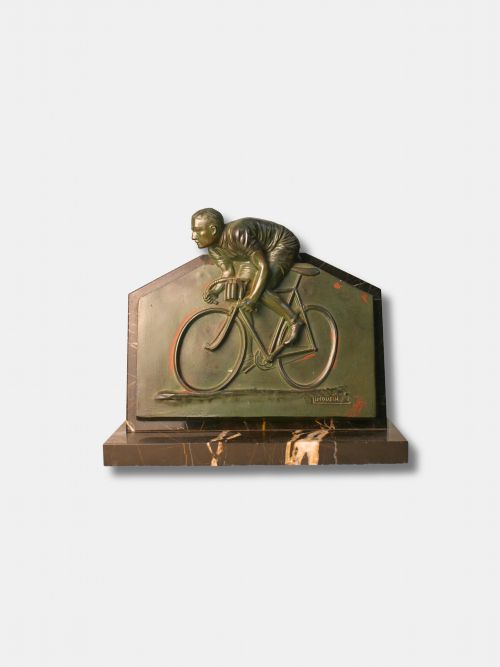
The objects frequently mirror the recreational priorities of their respective periods, such as Victorian shooting accessories, Edwardian golf equipment, and commemorative items from significant athletic events like the Olympic Games and the Tour de France.
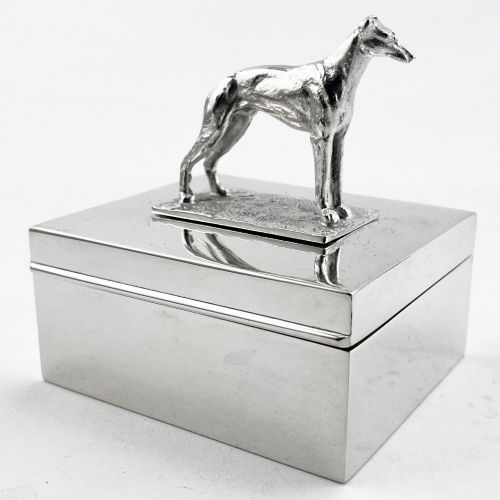
Common forms on this page include timber decoys, silver-plated shooting peg cases, hickory-shafted golf clubs, and brass star-back fishing reels, reflecting the practical materiality of historical sport.
Materials and construction
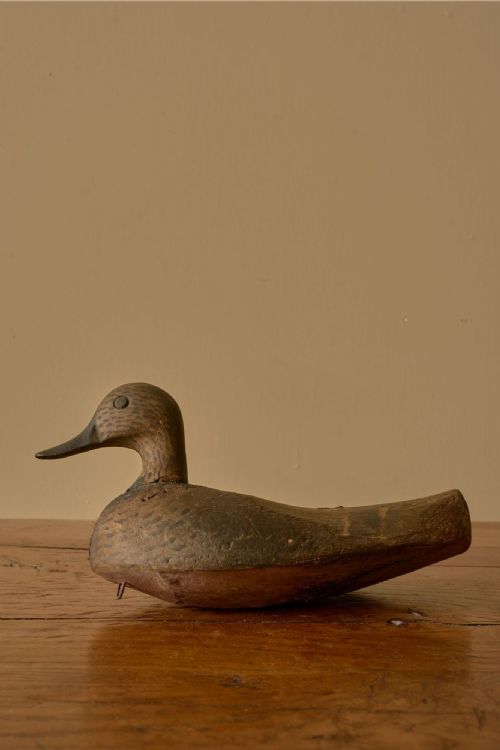
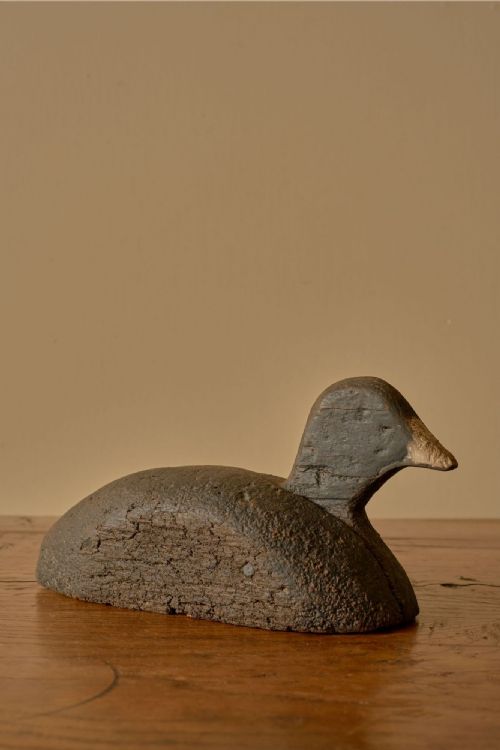
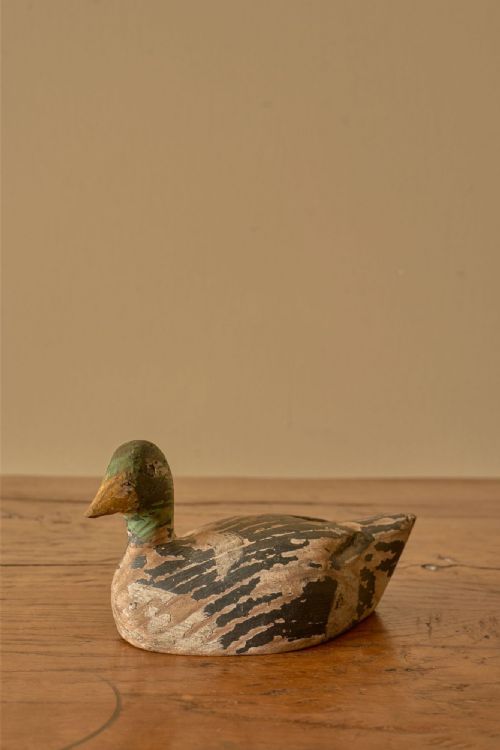
Timber and paint form the foundation of many working items, particularly carved decoy ducks and pigeons utilising painted wood to achieve realistic camouflage and visual appeal.
Metal components draw heavily upon steel, brass, iron, and silver plate, visible in fishing reels, hunting buggles, and shooting peg cases where durability against the elements was essential.
Specialised materials like horn, onyx, and stoneware appear in specific functional pieces, including stag horn cribbage boards, spelter figures mounted on onyx plinths, and stoneware rugby ball inkwells.
Antique Sporting Collectables Retail Price Guide 2026
Typical asking prices for sporting collectables among the pieces listed under this phrase on Sellingantiques today, from the lower quarter to the upper quarter. They describe what is for sale here now, not the wider market.
A ceramic rugby ball serves as an inkwell, combining the grit of nineteenth-century sport with the refined desk duties of the writing room.
Assessing quality and execution
Quality rests upon the fidelity of the maker's hand and the preservation of original surfaces, such as the authentic weathered paint on early twentieth-century wooden decoy ducks or the crisp engraving on silver-plated shooting accessories.
The integrity of mechanical or functional elements dictates value, distinguishing sturdy mahogany and brass fishing reels or sound hickory golf shafts from compromised examples.
Material selection and sculptural definition elevate certain pieces, distinguishing cast spelter athletic figures on onyx plinths and hallmarked silver hunting buggles from simpler utilitarian goods.
John Meek
The Antique Sporting Collectables Glossary
- Decoy
- A carved and painted representation of a bird or animal utilised to attract wildlife during shooting pursuits. These objects often display folk art characteristics.
- Shooting peg case
- A small portable container used by sportsmen during driven shoots to hold markers or cartridges. They are frequently fashioned from silver plate.
- Hickory shaft
- A golf club handle constructed from the dense timber of the hickory tree, standard before the widespread adoption of steel shafts. It requires careful maintenance.
- Star-back fishing reel
- A traditional British fishing reel featuring a distinctive star-shaped tension screw on the backplate. They are commonly constructed from mahogany and brass.
- Cribbage board
- A scoring board used in the card game cribbage, frequently carved from animal horn or timber. They provide a tactile record of past leisure.
Antique Sporting Collectables: Frequently Asked Questions
What are antique sporting collectables?
Antique sporting collectables are historical objects connected to past athletic pursuits, field sports, and recreational pastimes. They include equipment, decorative items, and commemorative pieces from various eras.
These items range from working decoys and golf clubs to fishing reels and gaming boards, reflecting the materials and craftsmanship of their time.
How were wooden decoys used?
Wooden decoys were placed on water or in fields by hunters to attract wildfowl or pigeons within range. Painters utilised naturalistic tones to ensure realism.
Today, these working objects are appreciated for their folk art aesthetic and historical connection to field sports.
How do I care for wooden and metal items?
Wooden items require stable indoor humidity levels to prevent timber splitting or paint flaking. Metal components benefit from dry storage and gentle cleaning.
Avoiding direct sunlight helps preserve the original painted surfaces on decoys and sporting equipment.
How do I date an antique golf club?
Dating an antique golf club involves examining the materials, head shape, and shaft construction. Hickory shafts typically point to periods prior to the widespread adoption of steel.
Maker stamps and grip styles provide additional chronological markers for collectors.