





Antique Spiral Candlestick
An antique spiral candlestick brings kinetic energy to a room through its twisted form.
Antique Spiral Candlestick
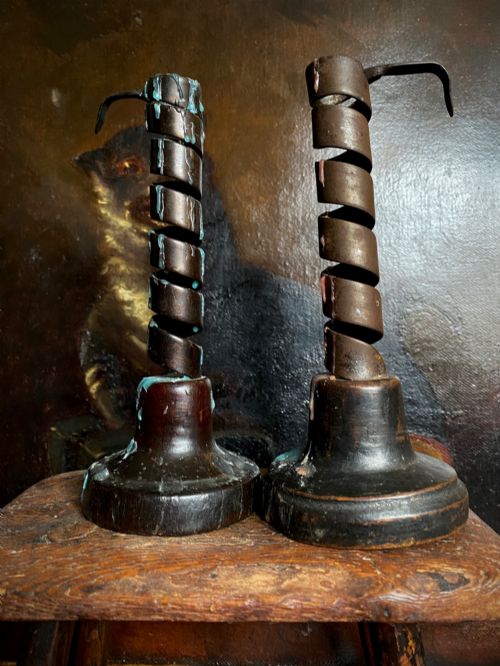
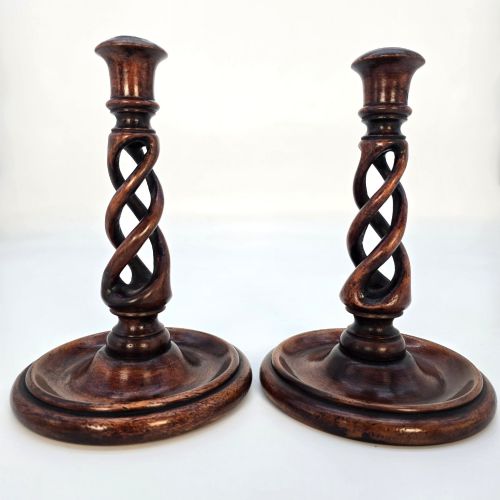
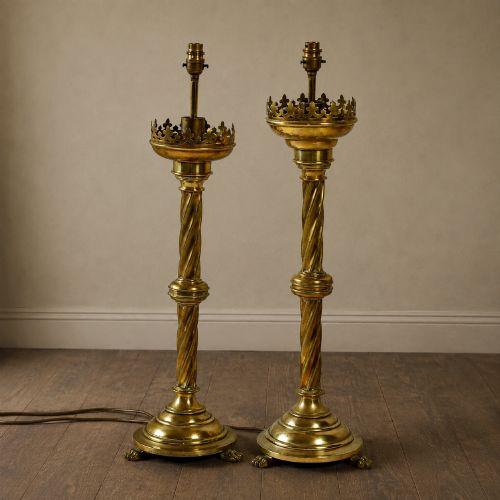
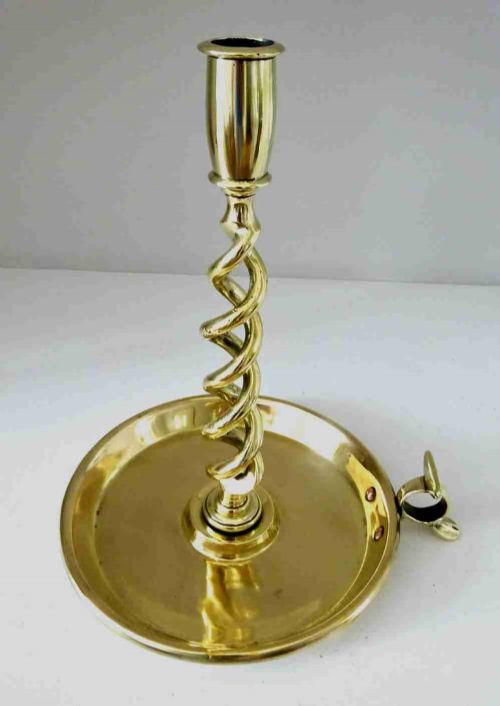
An antique spiral candlestick is a lighting device shaped by a distinctive twisted shaft, often termed a barley twist or open twist in the trade. These pieces emerge in materials ranging from warm fruitwood and oak to cast brass, iron and copper.
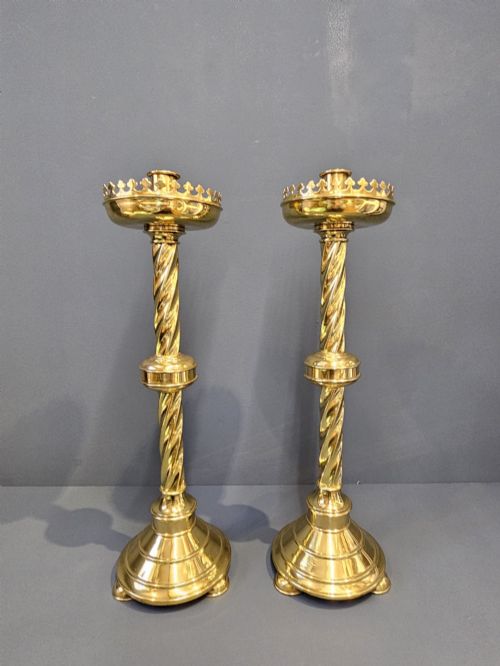
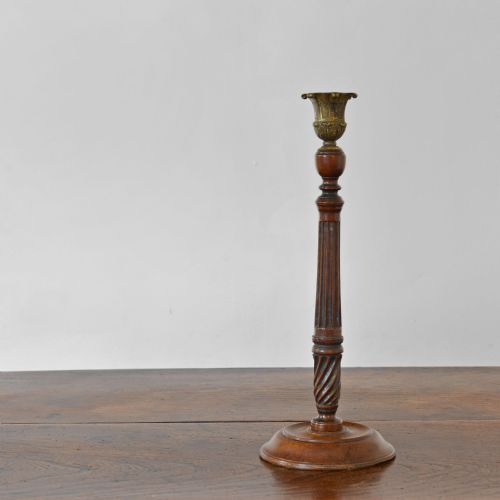
Buyers seeking this phrase encounter a mix of domestic table lighting and monumental church or altar pieces. The selection spans humble fruitwood treen and iron rising designs to grand Victorian brass church candlesticks.
Origins stretch from the seventeenth century through the Georgian and Victorian eras into the early twentieth century. Oak, mahogany, walnut and turned fruitwood represent the timber choices, alongside copper, gesso and Old Sheffield Plate.
Materials and Construction Methods
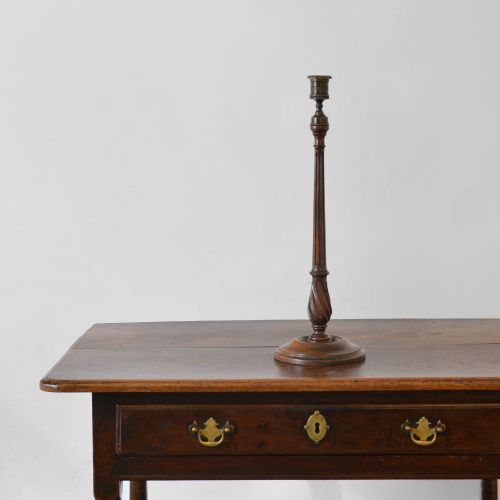
Woodturners shaped timber such as fruitwood, oak, walnut and mahogany on a lathe to create precise spiral profiles. Carved wood examples required hand-chiselling to achieve the deep troughs of the twist.
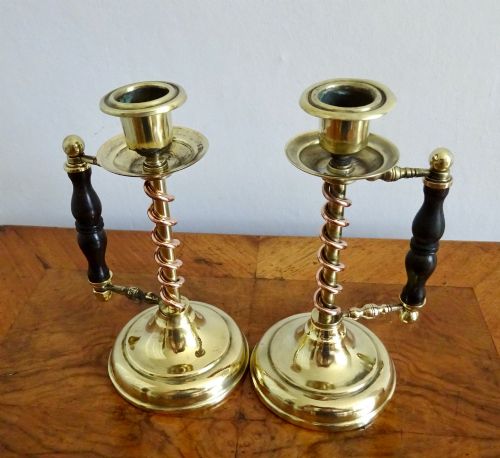
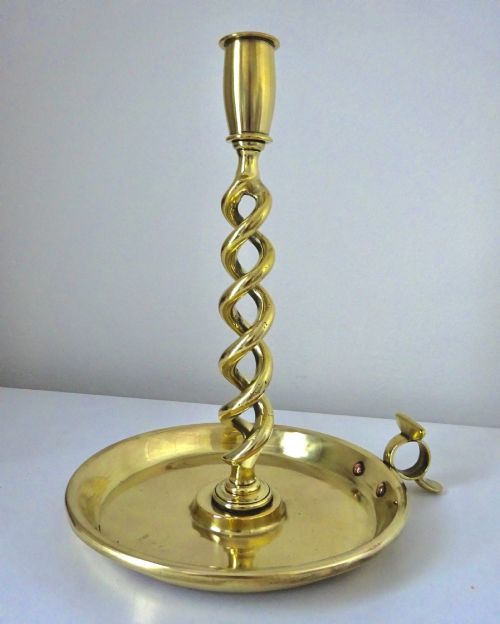
Metal versions utilise brass, copper and iron, often cast in sections and joined or threaded together. Brass and iron examples frequently incorporate fitted bases, drip trays or mounted handles for portability.
Antique Spiral Candlestick Retail Price Guide 2026
Typical asking prices for spiral candlestick among the pieces listed under this phrase on Sellingantiques today, from the lower quarter to the upper quarter. They describe what is for sale here now, not the wider market.
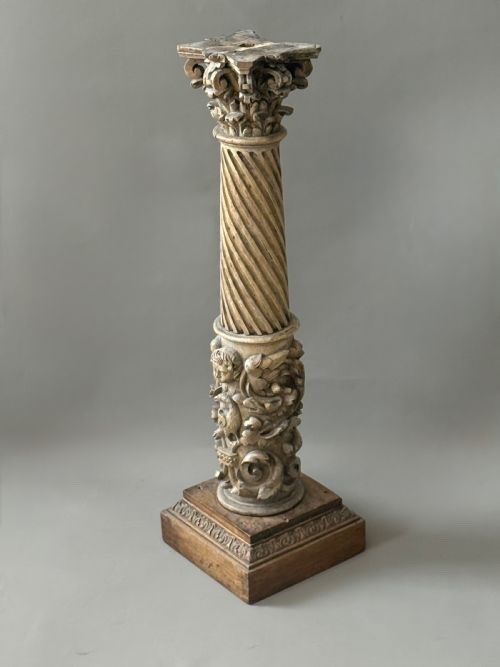
The inventory combines domestic turned treen and mahogany with monumental Continental Baroque carved wooden pillars and Gothic Revival altar lights.
Distinctions in Execution and Age
The precision and depth of the twist dictate the visual impact of the piece. Crisp hand-carving on fruitwood or oak exhibits a sculptural fluency absent in mechanical reproductions.
Integration of components defines better examples, such as weighted brass bases, fitted trays and original drip pans. The patination of aged timber and unpolished metal also separates refined specimens from simpler domestic items.
T Thomason & Co
The Antique Spiral Candlestick Glossary
- Barley twist
- A cylindrical column carved or turned into a spiral shape resembling a stalk of barley. This profile dominates both wooden and brass lighting from the seventeenth century onwards.
- Open twist
- A double or triple helix configuration where the central core is hollow or carved away, leaving intersecting ribbons of material. It demands high skill from the woodturner.
- Treen
- Small handmade wooden household objects created before the era of mass production. Fruitwood and turned treen candlesticks fall directly into this category.
- Old Sheffield Plate
- A fused composite material made by melting a thin sheet of silver onto a thicker copper base. It appears on eighteenth-century taper candlesticks.
- Ecclesiastical candlestick
- Large-scale altar or church lighting designed for ceremonial use. These pieces often feature heavy brass construction and substantial heights.
Antique Spiral Candlestick: Frequently Asked Questions
How do I date a wooden spiral candlestick?
Dating relies on timber species, turning technique and surface wear. Early examples utilise fruitwood, oak or walnut with hand-finished surfaces.
Later Victorian and Edwardian pieces often display machine-turned regularity and standardised brass fittings.
What is a rising candlestick?
A rising candlestick incorporates an internal mechanism or screw device to push the remaining candle stub upwards as it burns. Iron examples from the eighteenth century frequently employ this practical mechanism.
Cellar candlesticks also utilised compact forms with handles for moving safely through dark spaces.
Can these candlesticks be converted to lamps?
Many sturdy brass and wooden examples serve as table lamp bases or are wired for electricity. Monumental pillar candlesticks often lend themselves well to conversion.
Original proportions and wiring methods determine whether a piece retains its dual utility as candle holder and lamp.
Are pairs common in these listings?
Pairs appear frequently among Victorian brass church pieces and eighteenth-century turned fruitwood designs. Finding matching pairs from early periods requires careful examination of turning marks.
Single examples also surface, particularly in cellar and rising iron formats.