



Antique Spelter Animal
These antique spelter animal pieces bring the dynamic energy and sleek stylisation of early twentieth-century design directly into your home.
Antique Spelter Animal
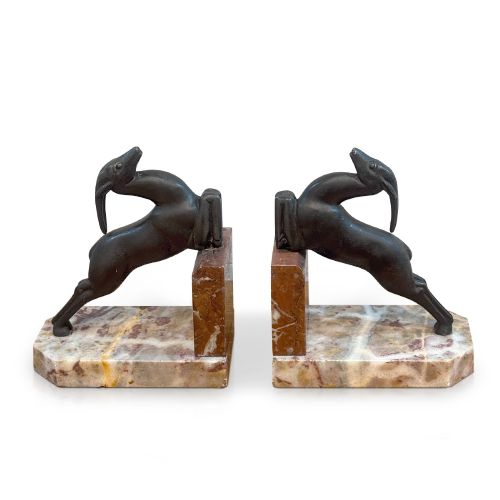
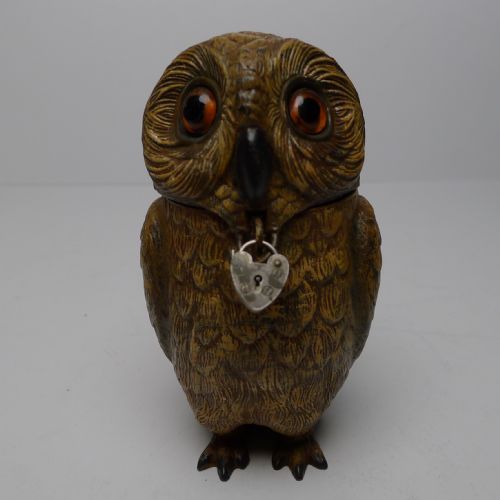
When you search for antique spelter animal, you are looking at figural decorative objects cast in a common zinc alloy that mimics the heavier look of bronze. These pieces range from domestic dogs and hunting hounds to wild panthers and stags captured in mid-movement.
The versions you are most likely to meet on this page date from the Edwardian era through the Art Deco period of the nineteen twenties and thirties. They frequently double as practical household objects such as bookends, table lamps, and money boxes.
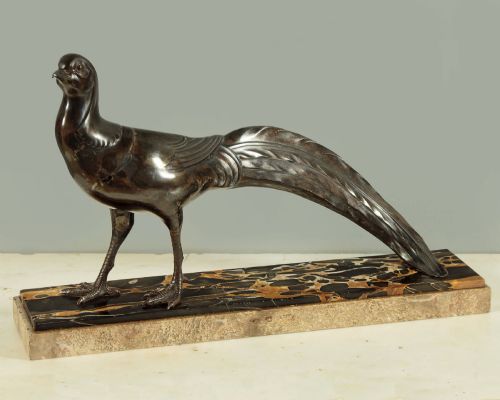
Many of these sculptures are mounted on contrasting plinths made of black marble or onyx to give them stability and presence. French workshops produced a large proportion of these dynamic figures, often capturing the sleek posture of big cats or the alert stance of spaniels and whippets.
Materials and construction methods
Makers cast these figures in spelter, a zinc-based alloy that melts at lower temperatures than bronze and takes fine surface detail easily. To simulate a costlier metal finish, the surface is often patinated in dark tones or treated with cold paint.
Makers combined the metal castings with heavy mineral bases, mounting the animal figures onto polished slabs of black marble or onyx. Glass elements occasionally appear in these compositions, particularly in the construction of lamps and functional desk accessories.
Antique Spelter Animal Retail Price Guide 2026
Typical asking prices for spelter animal among the pieces listed under this phrase on Sellingantiques today, from the lower quarter to the upper quarter. They describe what is for sale here now, not the wider market.
Listings demonstrate that these animal sculptures utilise materials such as marble, onyx, glass, and wood alongside cast spelter.
Judging the quality of spelter figures
The integration between the metal figure and its stone base separates standard production from finer examples. Heavier, well-fitted marble and onyx plinths with clean bevelling indicate a higher grade of manufacture than lightweight wooden or poorly secured mounts.
C Masson
The Antique Spelter Animal Glossary
- Spelter
- A zinc alloy commonly utilised as a less expensive alternative to bronze for decorative sculptures. It accepts patination and paint readily.
- Cold painted
- A technique where paint is applied to a metal object without subsequent high-temperature firing. This finish is delicate and sits on the surface of the spelter.
- Patinated metal
- Metal treated with chemical solutions to produce an aged surface colour. This process darkens the spelter to resemble traditional bronze.
- Onyx
- A banded variety of chalcedony used frequently for decorative sculpture bases. It provides a smooth, variegated mounting for metal figures.
- Art Deco
- A design style from the nineteen twenties and thirties characterised by streamlined forms and geometric simplification. Animal sculptures from this period emphasise dynamic movement.
Antique Spelter Animal: Frequently Asked Questions
What is spelter metal?
Spelter is a zinc-based alloy that manufacturers used widely for decorative objects and sculptures because it is easy to cast and finish.
It offers a substantial weight and metallic appearance similar to bronze while remaining much more affordable to produce.
How do I date an antique spelter animal?
Dating relies heavily on the stylistic clues of the base, the mounting technique, and the overall design aesthetic.
Pieces from the nineteen thirties typically display distinct geometric Art Deco lines, whereas earlier Edwardian examples lean toward naturalistic representation.
Are these animals purely decorative?
While many examples are standalone sculptures, a significant number serve a dual purpose in the home.
You will frequently encounter these figures incorporated into heavy bookends, desk lamps, and mechanical money boxes.
How should I clean spelter sculptures?
Cleaning requires a soft, dry cloth to remove dust without disturbing the delicate surface patination or cold paint.
Moisture and harsh cleaning agents can damage the metal and the underlying stone bases permanently.