


Antique Specimen Storage Chest
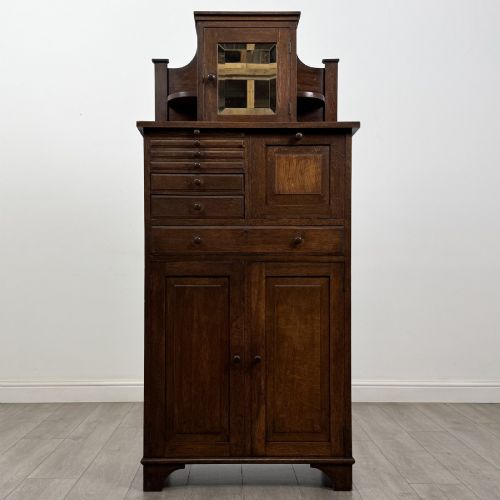
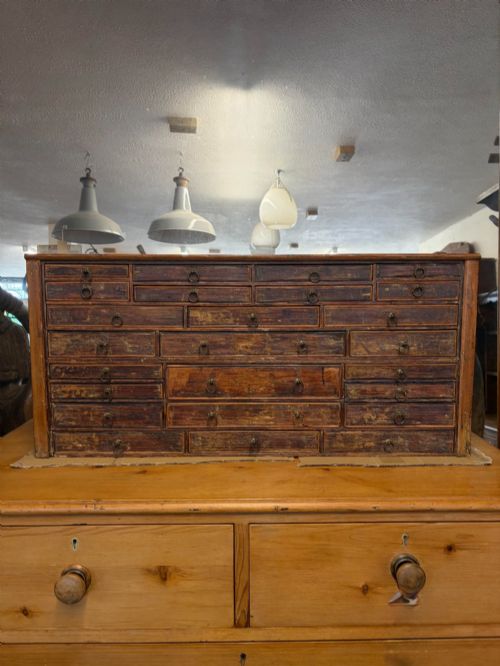
An antique specimen storage chest brings orderly charm to small collections, offering multiple shallow drawers designed for natural history items or precious objects.
Antique Specimen Storage Chest
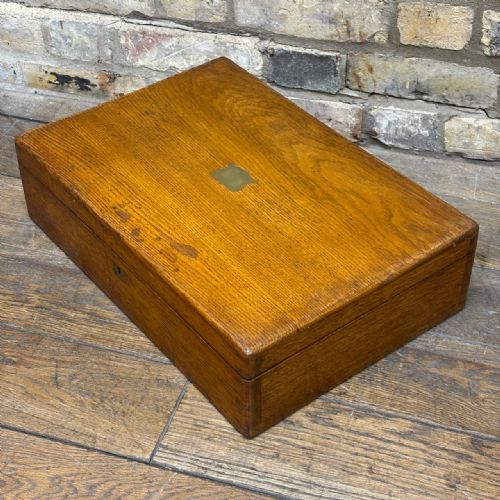
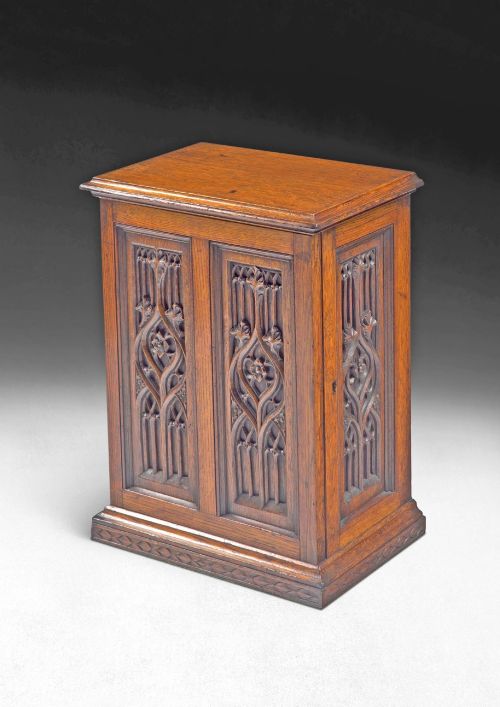
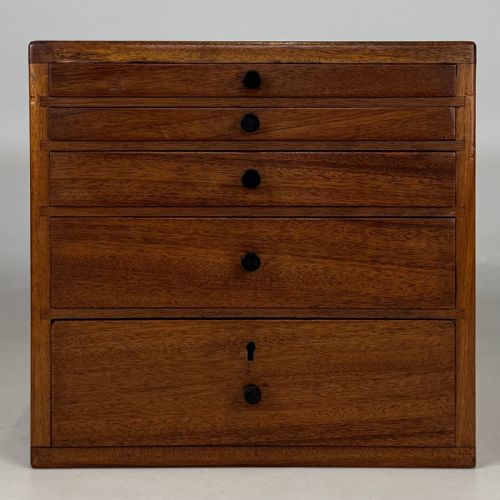
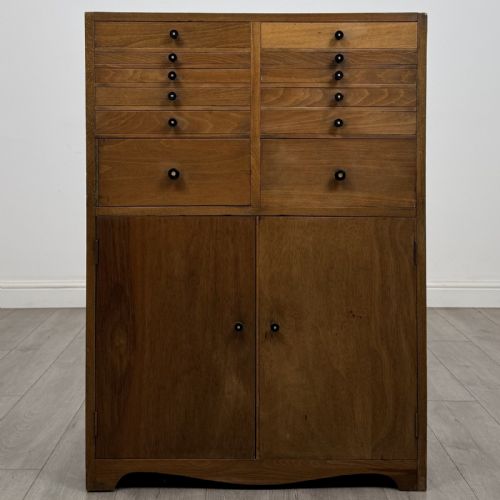
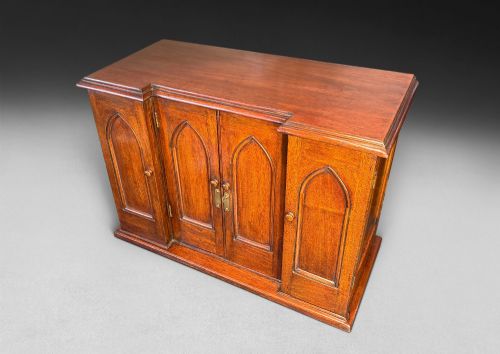
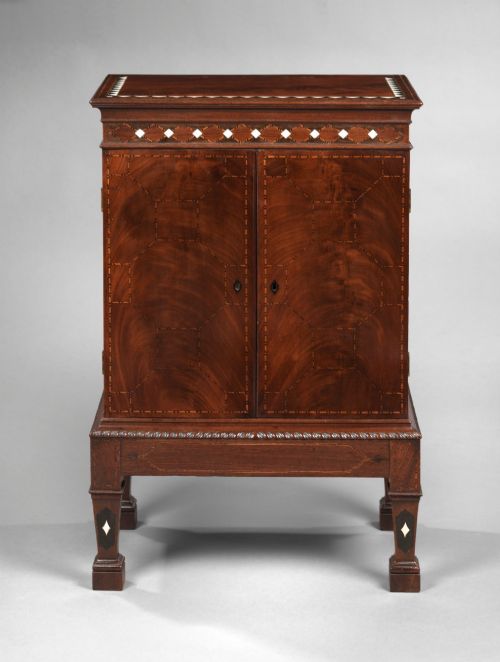
An antique specimen storage chest encompasses multi-drawer banks, table-top collector cabinets, and miniature chests originating primarily from the Victorian and Georgian periods. These pieces are fundamentally functional furniture designed to house entomological specimens, microscope slides, medical gear, or small valuables in a compact footprint.
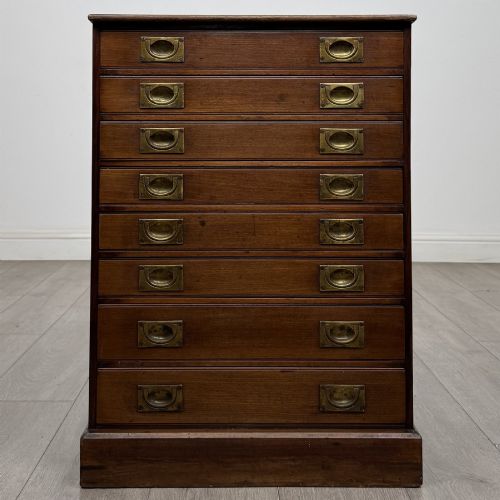
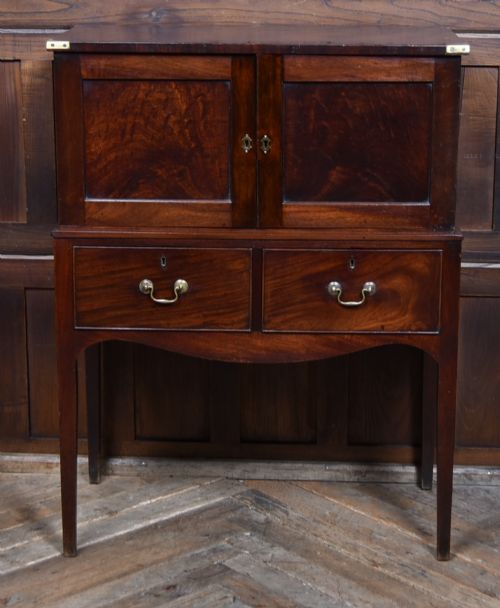
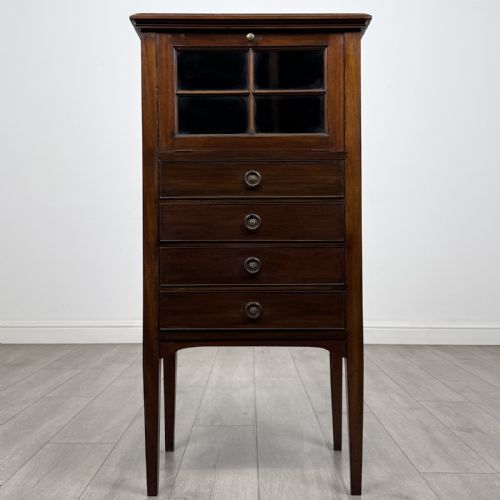
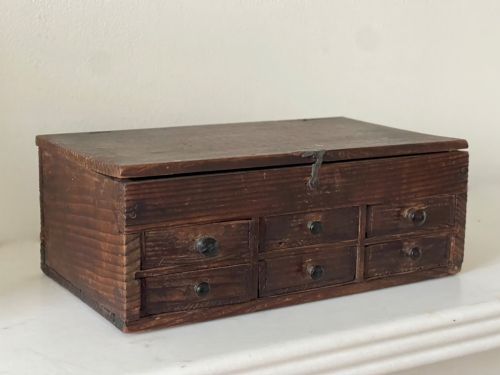
The version most commonly encountered on this page is the Victorian mahogany or pine collector cabinet, often fitted with numerous small drawers featuring brass pulls. Buyers also find campaign style chests, apothecary banks, and tabletop cases utilising timbers such as walnut, oak, and satin birch.
Materials and Construction
Cabinet makers relied heavily on dense hardwoods like mahogany, walnut, and oak to construct the main carcases, ensuring stability and protection for delicate contents. Secondary timbers such as pine and deal appear in internal drawer construction.
Brass handles, campaign mounts, and inset pulls provide functional hardware that withstands frequent handling. Glass panels occasionally feature in doors designed to showcase contents while protecting them from dust.
Antique Specimen Storage Chest Retail Price Guide 2026
Typical asking prices for specimen storage chest among the pieces listed under this phrase on Sellingantiques today, from the lower quarter to the upper quarter. They describe what is for sale here now, not the wider market.
Some multi-drawer specimen chests hold over forty tiny compartments once dedicated entirely to beetles and butterflies.
Evaluating the Build
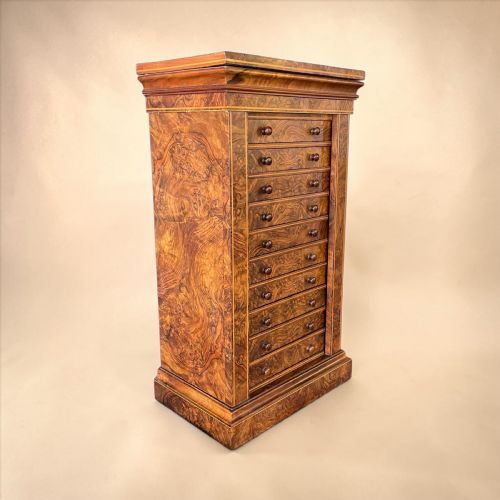
Quality rests in the precision of the drawer fit and the choice of primary timber, where solid mahogany or finely figured burr walnut elevate a piece significantly above stained deal or basic pine. The presence of maker stamps and specialised internal fittings distinguishes workshop output from standard commercial production.
Construction integrity shows in the dovetail joinery of the drawers and the smooth operation of multiple banks. Superior examples maintain original surface patination and uncompromised brass hardware without modern replacements.
Watkins & Doncaster·Brady of Edmonton·D Napier & Sons
The Antique Specimen Storage Chest Glossary
- Collector cabinet
- A specialised piece of furniture featuring many shallow drawers built to store small objects or natural history specimens. These cabinets often include secure locking doors to protect contents.
- Wellington chest
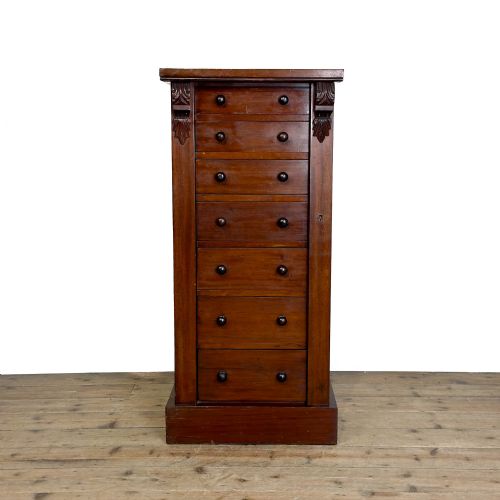
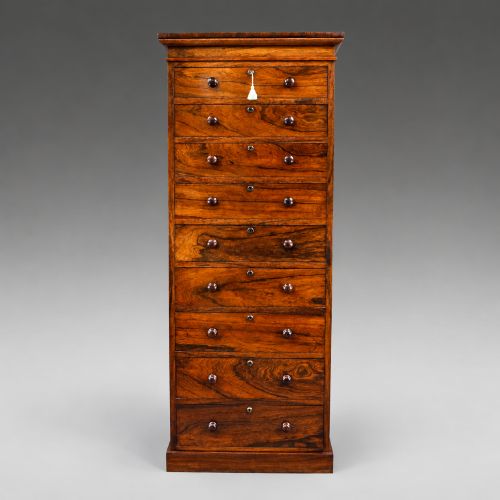
- A tall, narrow chest of drawers secured by a locking hinged side flap that fastens over the drawer edges. This design originated in the 19th century for secure personal storage.
- Campaign style
- Furniture constructed for portability, typically featuring recessed brass corners, flush drop handles, and durable hardwood bodies. These pieces were built to withstand travel.
- Bank of drawers
- A chest containing a high density of small drawers arranged in multiple columns and rows. They were originally used in pharmacies, workshops, and dentists' offices.
- Microscope slide cabinet
- A specialised storage unit containing extremely shallow drawers lined to hold glass slides flat. Collectors used them to organise scientific samples.
Antique Specimen Storage Chest: Frequently Asked Questions
What were antique specimen chests originally used for?
These chests served naturalists, doctors, and collectors who needed to organise delicate items like insects, geological specimens, or microscope slides. The numerous shallow drawers prevented items from piling on top of each other.
Over time, collectors adapted them for holding small precious objects, coins, or sewing accessories in home settings.
How do I identify a Victorian specimen chest?
Victorian examples frequently utilise dark hardwoods such as mahogany or walnut, paired with turned wooden knobs or brass drop handles. They often display robust dovetail joinery and deep, rich patination acquired through decades of handling.
Look for internal configurations specifically adapted for small items, such as shallow runners or glass-fronted compartments.
Are tabletop collector cabinets heavy?
Despite their compact footprint, these cabinets often feel surprisingly heavy due to dense primary timbers like solid mahogany or oak. The multitude of internal drawer dividers adds considerable weight to the overall structure.
This solid construction ensured stability when drawers were pulled out fully during sorting.
How should I clean a wooden specimen chest?
Dust the exterior surfaces gently with a dry, soft cloth to remove everyday particles. Avoid using modern chemical polishes that can degrade historic wax finishes.
Feed dry wood occasionally with a quality microcrystalline wax to maintain the moisture and lustre of the timber.