



Antique Specimen Art
Antique specimen art gathers natural histories, botanical pressings, and tactile displays into frames and surfaces.
Antique Specimen Art
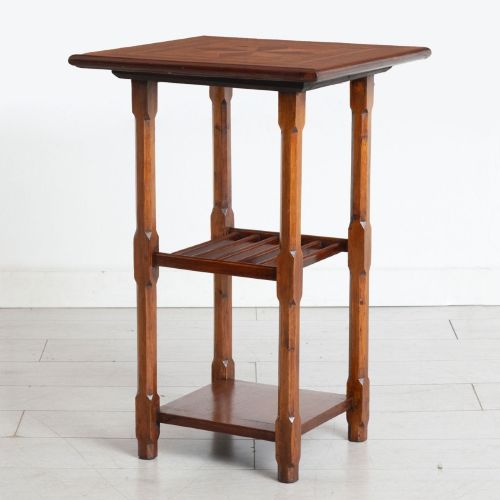
Antique specimen art encompasses framed natural histories, botanical pressings, and intricate woodwork displays from the nineteenth and early twentieth centuries. When searching this phrase, a buyer meets diverse items ranging from framed butterfly displays and flower pressings to inlaid marble panels and specimen wood tables.
The selection on this page bridges decorative objects and functional furniture, including collectors' cabinets, side tables, and wall art. Pieces span Victorian, Edwardian, and Art Deco eras, reflecting both scientific curiosity and domestic display traditions.
How they were made
Maker techniques rely heavily on precise assembly, preservation, and surface ornamentation using glass, paper, linen, and diverse timbers. Woods such as oak, pine, and various specimen timbers form structured furniture, cabinets, and inlaid panels.
Decorative surface work utilises stone inlay such as pietra dura and Ashford marble, alongside needlework, lace samplers, and framed botanical pressings. Artisans combined carpentry with careful mounting of natural elements, butterflies, and textiles.
Antique Specimen Art Retail Price Guide 2026
Typical asking prices for specimen art among the pieces listed under this phrase on Sellingantiques today, from the lower quarter to the upper quarter. They describe what is for sale here now, not the wider market.
Periods represented span from the early nineteenth century through Victorian, Edwardian, and Art Deco eras.
What varies in quality
Quality depends upon the precision of the timber inlay, the integrity of the botanical or entomological preservation, and the structural soundness of the housing. Finer items exhibit meticulous joinery in collectors' cabinets and exact geometric arrangement in specimen wood panels.
Material choice and artistic execution separate standard examples from superior pieces, such as intricate pietra dura marble work or hand-turned treen goblets. The condition of fragile paper, textiles, and mounted feathers also dictates the standing of an individual piece.
Emile Galle
The Antique Specimen Art Glossary
- Pietra dura
- An artistic technique using cut and fitted polished coloured stones to create geometric or pictorial images. It appears frequently on marble panels and decorative objects.
- Herbarium
- A collection of preserved plant specimens and associated data used for scientific study or decorative display. These are often mounted on paper and housed within folk art frames.
- Treen
- Small handmade wooden household objects, such as turned goblets and decorative vessels. This term denotes functional wooden items shaped on a lathe.
- Sampler
- A piece of embroidery or lace produced as a demonstration or test of skill. Examples include early nineteenth-century French lace and mid-Victorian needlework.
- Collectors cabinet
- A specialised piece of furniture featuring multiple drawers designed for organising small specimens, natural history objects, or art items.
Antique Specimen Art: Frequently Asked Questions
What is antique specimen art?
Antique specimen art comprises framed natural histories, botanical pressings, intricate woodwork displays, and scientific collections created primarily during the nineteenth and early twentieth centuries.
These pieces reflect an era's fascination with the natural world and material craftsmanship, preserving flora, fauna, and textiles within decorative frames and functional furniture.
How should I display specimen art?
Display framed botanical pressings, feathers, and butterflies on neutral walls away from direct sunlight to protect fragile papers and pigments from fading.
For tables and collectors' cabinets, position them as focal points in a room where their detailed woodwork and inlay can be examined closely.
How do I care for fragile textiles?
Protect antique samplers, lace, and framed fabrics by maintaining stable humidity levels and shielding them from prolonged exposure to bright light.
Keep glass-fronted frames sealed properly to prevent dust accumulation and insect damage on delicate organic materials and papers.
How do I date specimen pieces?
Dating relies on examining framing techniques, paper types, handwriting on labels, and the structural characteristics of the surrounding wood or cabinetry.
Stylistic markers from Victorian, Edwardian, and Art Deco periods also provide reliable benchmarks for determining the age of a piece.