




Antique Soapstone Figure
An antique soapstone figure brings tactile mineral warmth and centuries of sculptural skill into a room.
Antique Soapstone Figure
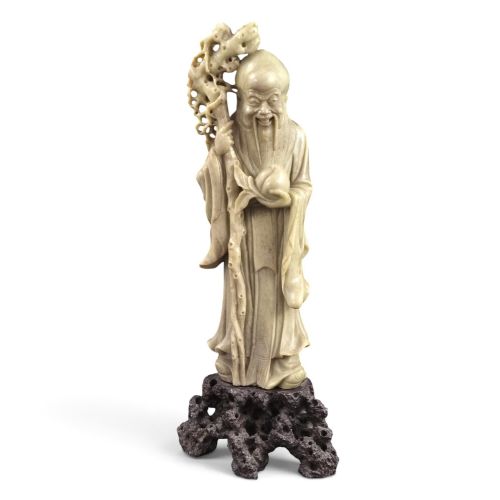
An antique soapstone figure comprises carved sculptures, bookends, desk seals and scholar's objects fashioned from soft, workable rock. These pieces span late nineteenth-century Victorian dates through to the early twentieth century, originating primarily from Chinese workshops alongside Anglo-Indian traditions.
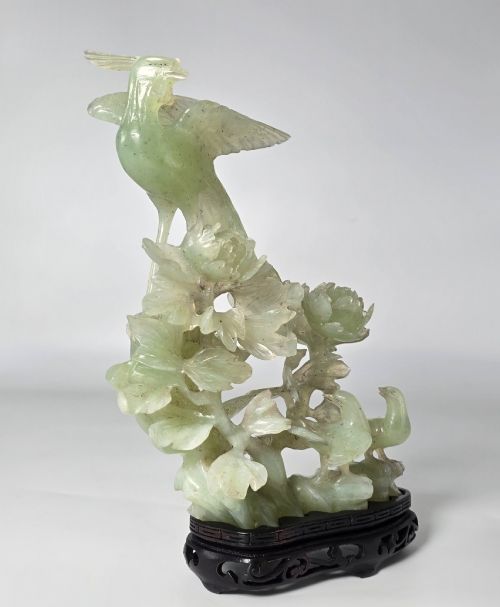
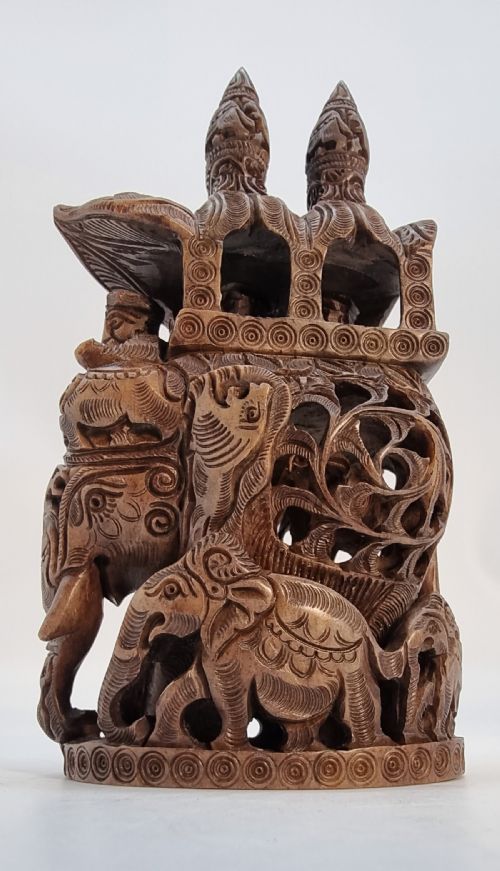
Collectors encounter diverse subjects ranging from mythological figures like Shoulao and Foo Dog temple guards to animals including elephants, geese, and a sow with piglets. The selection includes cabinet sculptures, matched pairs, and functional scholar's items such as carved dragon and pearl studies.
The material itself dictates the character of each piece, appearing as soapstone, steatite, Shoushan stone, or broader hardstone categories. Many of these figures rest upon fitted hardwood bases, combining mineral carving with woodworking craftsmanship.
How they were made
Many sculptures incorporate secondary materials, mounting carved soapstone bodies upon turned or carved hardwood stands. Certain desk accessories and scholar's items integrate metal components, such as gilt metal stoppers fitted to hardstone bottles.
Antique Soapstone Figure Retail Price Guide 2026
Typical asking prices for soapstone figure among the pieces listed under this phrase on Sellingantiques today, from the lower quarter to the upper quarter. They describe what is for sale here now, not the wider market.
A charming soapstone sow surrounded by her piglets proves that nineteenth-century carvers had a soft spot for farmyard domesticity.
What varies in quality
Quality rests upon the depth of the carving and the vitality of the subject, distinguishing stiff, mechanical execution from fluid, lifelike rendering. The best examples display confident handling of drapery, expression, and anatomical form across human figures, mythical beasts, and animals.
The choice of stone and the integration with secondary materials also set pieces apart. Fine examples utilise richly variegated Shoushan stone or clear steatite, paired cleanly with custom-fitted hardwood bases rather than crude supports.
The Antique Soapstone Figure Glossary
- Soapstone
- A metamorphic rock composed largely of talc, prized for its soft, soapy texture and ease of carving. It readily takes a smooth polish while retaining fine detail.
- Steatite
- Another term for massive talc schist or soapstone, frequently used by historical carvers for small decorative sculptures and scholar's objects. Its density varies by geological source.
- Shoushan Stone
- A specific variety of Chinese soapstone sourced from the Shoushan village in Fujian province, known for its range of natural colours and translucency. It has been favoured by seal carvers for centuries.
- Foo Dog
- A traditional guardian lion figure derived from Chinese temple architecture, often paired as bookends or gate guards. These mythical beasts symbolise protection and prosperity.
- Desk Seal
- A carved stamp or scholarly implement used for impressing signatures in ink or paste, often topped with figural or zoomorphic carvings. These objects combined utility with scholarly art.
Antique Soapstone Figure: Frequently Asked Questions
What is soapstone?
Soapstone is a soft, talc-rich metamorphic rock that carvers have utilised for centuries due to its pleasing tactile quality and ease of shaping.
Because the stone is relatively soft compared to marble or jade, artisans could achieve intricate undercut details in figures and scholar's objects.
How do I care for an antique soapstone figure?
Keep the sculpture away from direct sunlight and sudden temperature changes to protect the surface and any fitted wooden bases.
Dust the piece gently with a soft, dry brush and avoid applying harsh chemical cleaners or excess moisture to the stone.
Are these figures Chinese?
The majority of these carved pieces originate from China, spanning late Qing Dynasty styles and export markets.
A small number of related works reflect Anglo-Indian traditions, such as studies of ceremonial elephants carved from local stone.
What are scholar's objects?
Scholar's objects were items used by traditional East Asian literati for contemplation, writing, and decorating their studies.
Pieces such as dragon carvings and desk seals combined fine mineral sculpture with intellectual pursuits.