



Antique Smoking Box
An antique smoking box is a designated receptacle for storing tobacco, cigars, or cigarettes, prized for its craftsmanship and historical function.
Antique Smoking Box
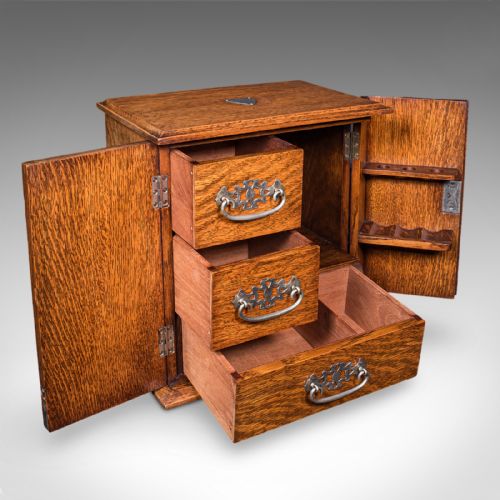
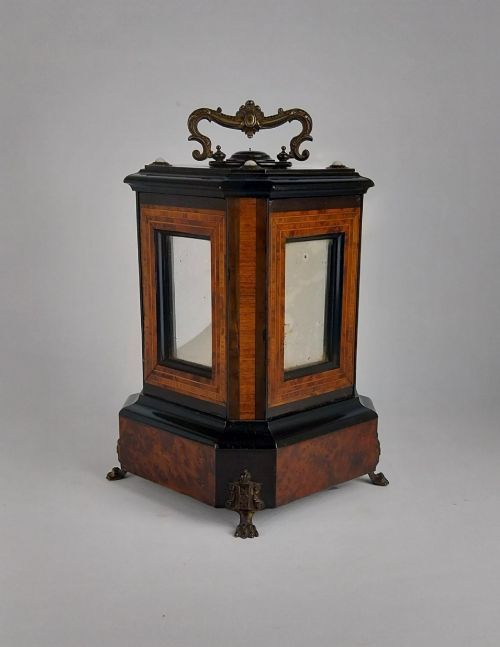
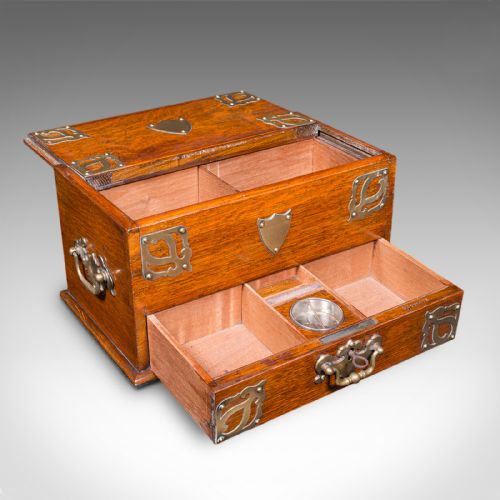
An antique smoking box encompasses a range of containers designed for tobacco storage, from tabletop cabinets to pocket cases. When searching for an antique smoking box, buyers encounter pieces spanning the Victorian, Edwardian, and Art Deco periods, originating primarily from British and European makers.
The materials reflect the social habits of past centuries, combining functional compartments for pipes, cigars, and matches with decorative exterior finishes. These receptacles range from simple wooden boxes to elaborate silver-gilt compendiums.
How They Were Made
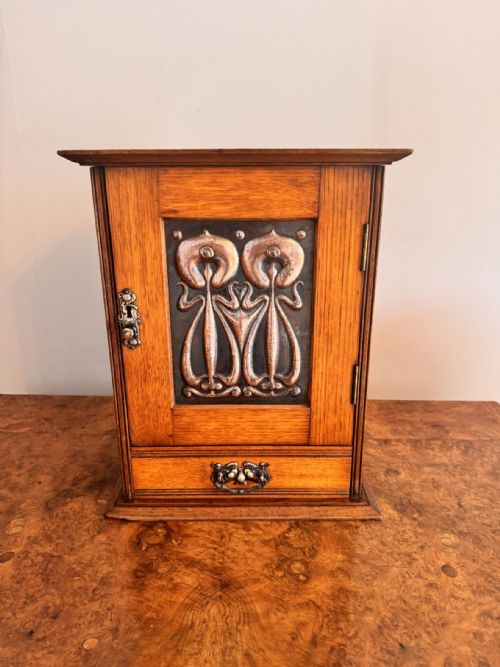
Woodworking techniques define the larger cabinets and humidors, utilising native timbers like oak and walnut, alongside carved linden wood for figurative Black Forest pieces. Joinery includes coopered construction for cylindrical tobacco boxes and fitted interiors with dividers for cigars and pipes.
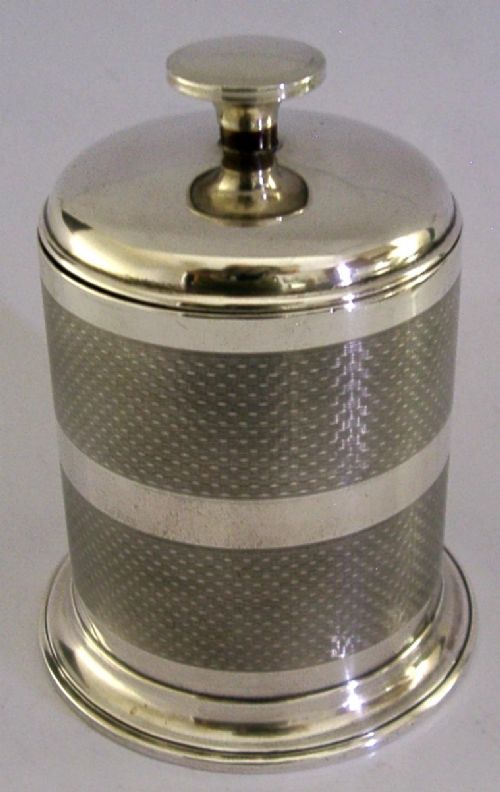
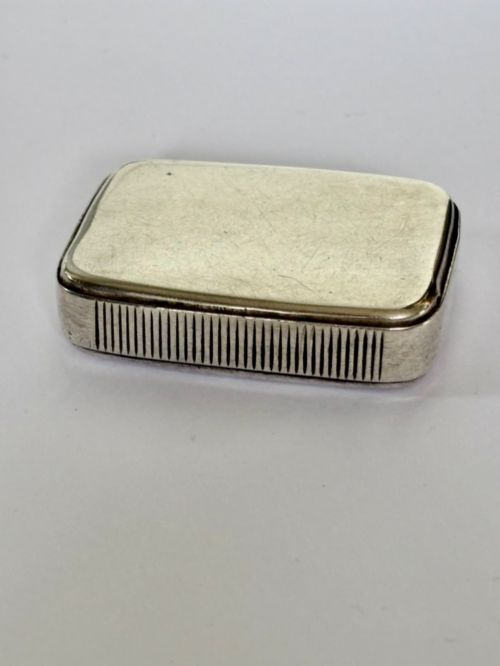
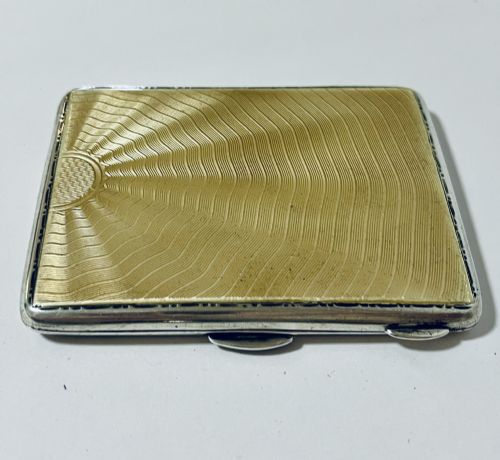
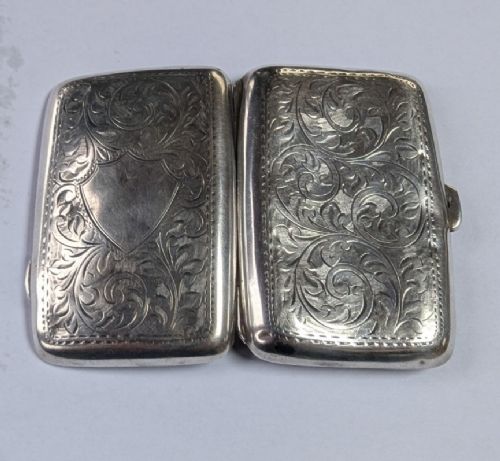
Metalworking encompasses sterling silver, silver gilt, and brass, executed through casting, engine turning, and hand engraving. Silversmiths applied detailed scrollwork and applied crests to pocket cases and compendiums.
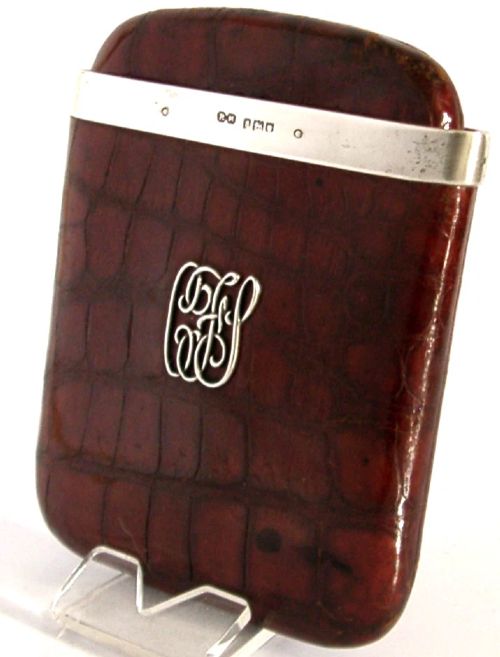
Surface decoration integrates natural materials such as crocodile skin leather, shagreen, glass, onyx, and lapis lazuli. Cabinetmakers and silversmiths combined these elements with lockable mechanisms and internal metal linings to preserve tobacco moisture.
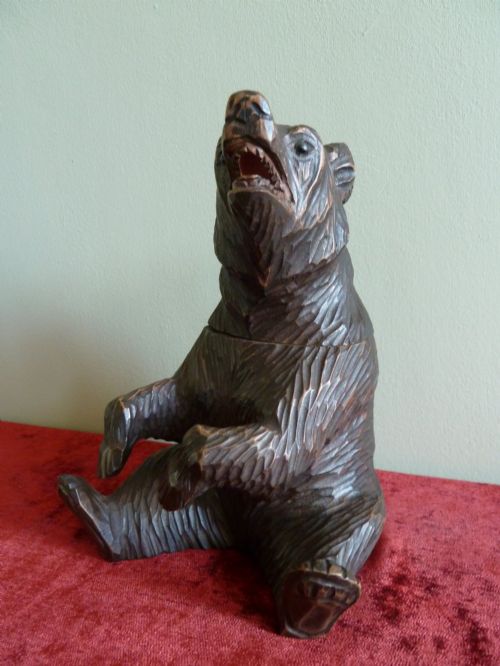
Brown bears carved from linden wood stand guard over tobacco, holding hinged lids ready to offer a pipe.
What Varies in Quality
The standard of carving and metalwork separates standard receptacles from exceptional examples. Hand-carved wooden animals and intricately engraved silver surfaces display the precision of the artisan.
Internal complexity and material selection dictate overall grade. Pieces incorporating fitted compartments, working locks with original keys, and precious metals demonstrate superior craftsmanship compared to plain metal or unlined wooden boxes.
A & J Zimmerman·Sampson Mordan·Wright & Davies·Cartier·Mappin & Webb·George Betjemann·Alfred Dunhill·Hermes Paris
The Antique Smoking Box Glossary
- Humidor
- A moisture-controlled box designed to keep cigars fresh. These containers often feature wooden interiors and tight-fitting lids.
- Vesta Case
- A small pocket container used to hold safety matches. They frequently feature spring-loaded lids and striker grooves on the base.
- Compendium
- A multi-functional smoking set that houses various accessories in one unit. These often combine spaces for matches, cigars, and ash receptacles.
- Treen
- Small handmade wooden objects produced before the mass era. This category includes coopered tobacco boxes and pipe stands.
- Shagreen
- Untanned skin from sharks or rays used as a decorative covering. Artisans prized this textured material for luxury pocket and table items during the Art Deco period.
Antique Smoking Box: Frequently Asked Questions
How were wooden humidors used?
Wooden humidors stored cigars and loose tobacco while protecting them from moisture loss. Interiors often included fitted wooden dividers and metal linings.
Gentlemen kept these boxes in studies, libraries, or smoking rooms for daily use.
What materials are common?
Common materials include sterling silver, brass, oak, walnut, and linden wood. Luxury items also feature shagreen, leather, glass, and semi-precious stones.
Makers matched the material to the intended function, using sturdy woods for cabinets and precious metals for pocket cases.
How do I identify the period?
Silver components carry hallmarks indicating the assay office and year of manufacture. Stylistic markers such as Victorian scrollwork, Edwardian cabinet designs, and Art Deco geometric lines also help date a piece.
Material choices and construction methods provide further clues to the decade of origin.