


Antique Slope Chest
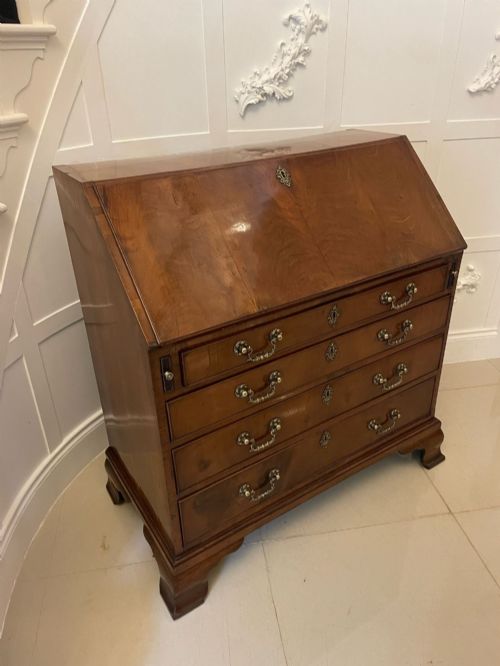
An antique slope chest provides a fall-front writing surface above drawers, combining practical desk space with secure storage for correspondence.
Antique Slope Chest
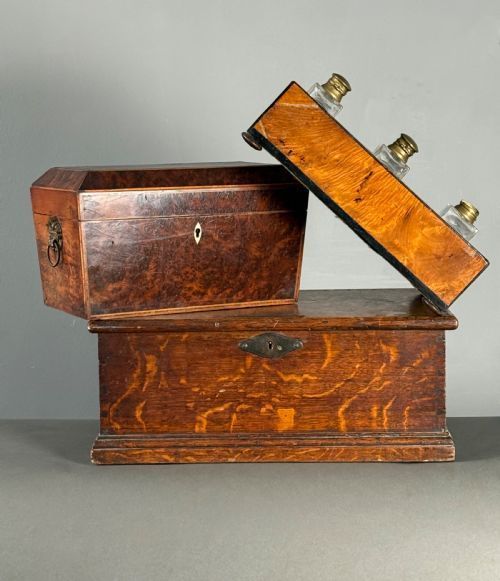
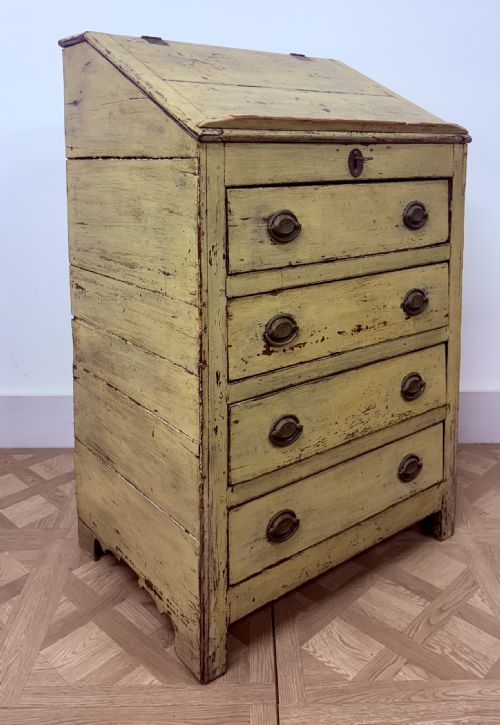
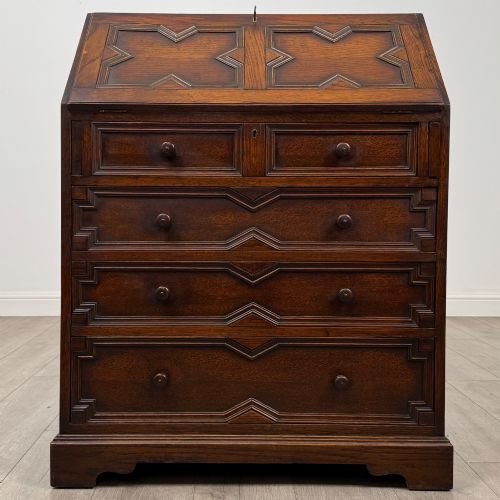
When buyers search for an antique slope chest, they encounter various forms including bureaux, writing boxes, and slant-front Bible boxes designed for correspondence. These pieces predominantly date from the seventeenth, eighteenth, and nineteenth centuries, spanning periods such as the Georgian, Queen Anne, and Edwardian eras.
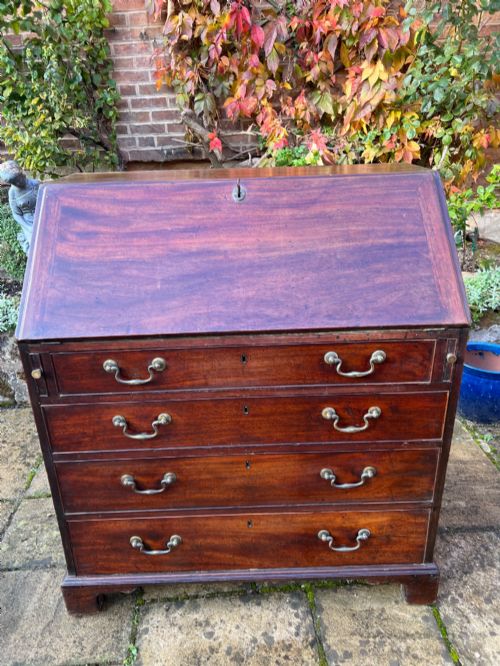
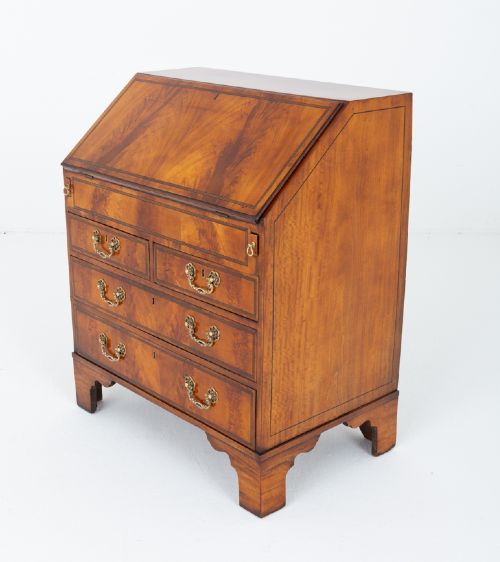
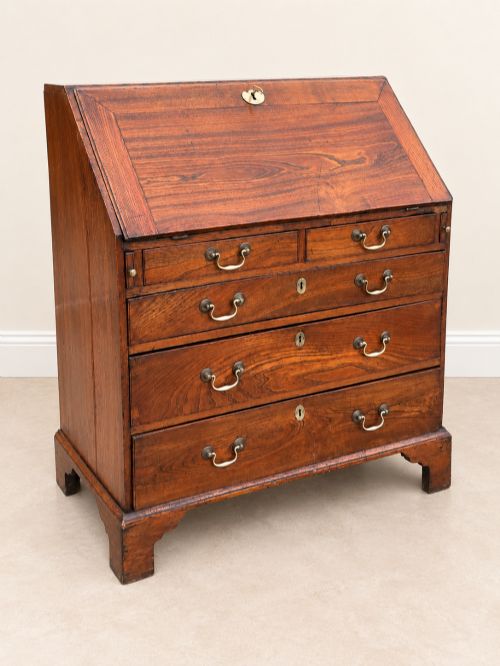
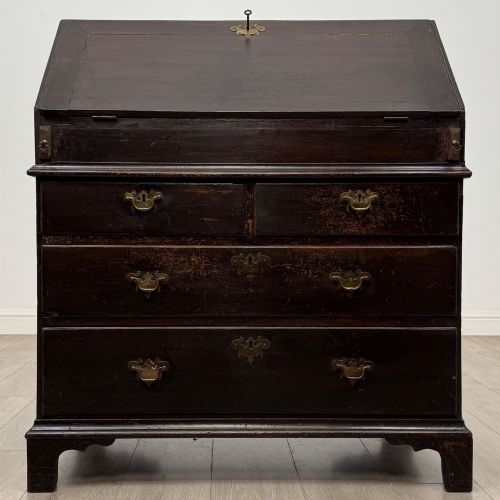
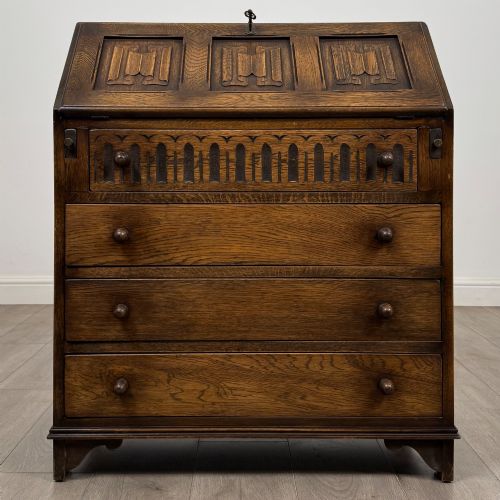
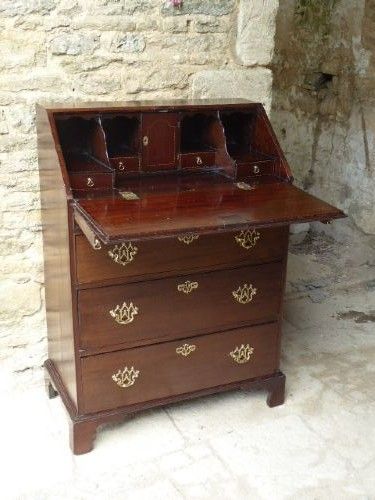
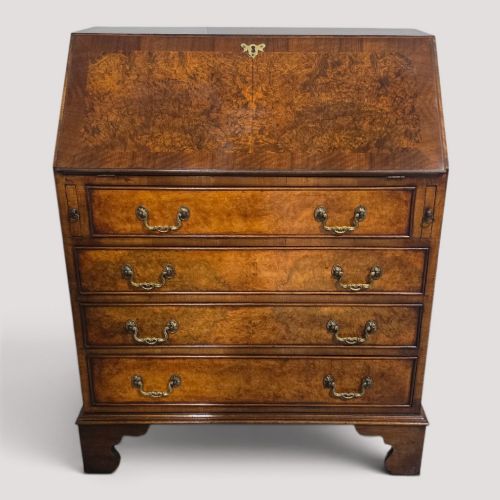
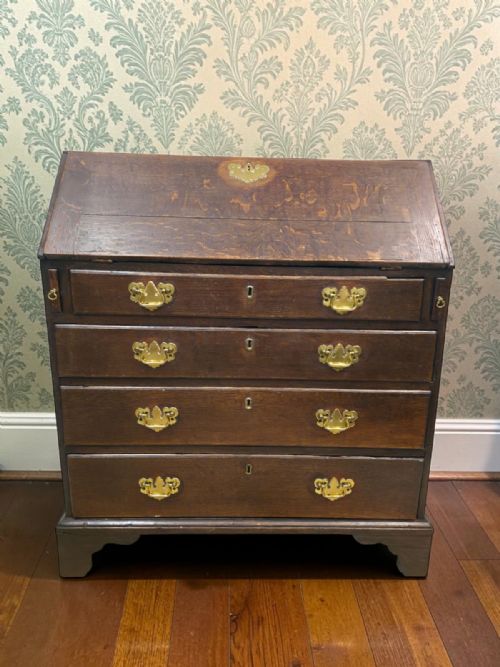
The version most commonly met on this page is the bureau, often featuring a fall-front flap that opens to reveal a fitted interior of pigeonholes and small drawers. Materials range from native timbers like oak, elm, and mahogany to more decorative veneers including burr walnut and satinwood.
Materials and construction
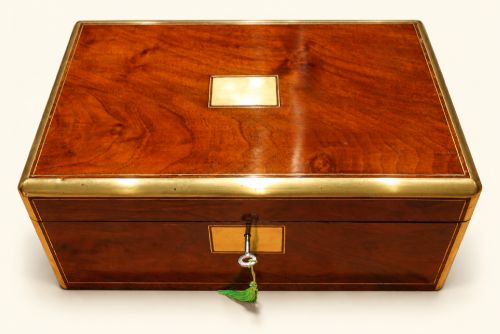
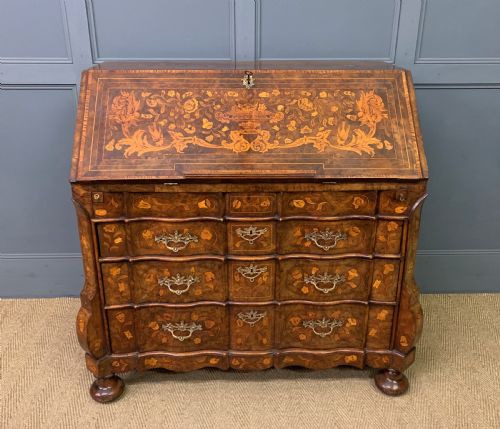
Cabinet makers utilised solid timbers and applied veneers, shaping oak, mahogany, walnut, and elm into carcass structures supported by bracket feet or bun feet. Elaborate surfaces incorporate marquetry inlay, floral patterns, or hand-painted decoration, while smaller writing boxes often utilise brass binding and ironwork for structural reinforcement.
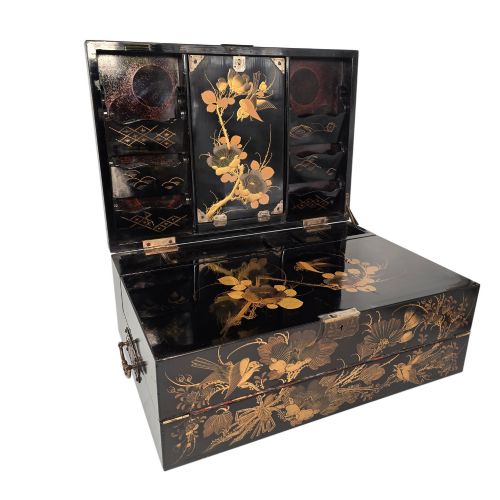
Fitted desk interiors require precise joinery, housing secret compartments, small drawers, and pigeonholes behind the main fall-front slope. Exterior details involve mother of pearl and bone accents on boxes, alongside specialised hinges and locks to secure the writing flap.
Antique Slope Chest Retail Price Guide 2026
Typical asking prices for slope chest among the pieces listed under this phrase on Sellingantiques today, from the lower quarter to the upper quarter. They describe what is for sale here now, not the wider market.
Factors that define quality
Quality rests significantly on the choice of timber figure, such as highly figured walnut, burr walnut, or dense mahogany, alongside the complexity of marquetry work and parquetry. Superior examples exhibit refined proportions, original brass hardware or ironwork, and undisturbed patination built up over centuries of use.
Internal arrangement further distinguishes pieces, with top-tier examples offering intricate secret compartments, well-proportioned pigeonholes, and secondary timbers of matching quality. The integration of the fall-front mechanism and the precision of the dovetailed drawer construction indicate the competence of the original maker.
The Antique Slope Chest Glossary
- Bureau
- A writing desk featuring a sloping fall-front flap that covers a fitted interior of small drawers and pigeonholes.
- Fall front
- A hinged writing flap that pulls down to reveal the desk interior and serves as the writing surface.
- Bible box
- A portable wooden box with a sloping lid, historically used for holding texts, documents, and writing materials.
- Marquetry
- Decorative veneer work forming pictorial or geometric patterns using various coloured woods, bone, or mother of pearl.
- Padouk
- A heavy, durable tropical hardwood with a reddish hue utilised in overseas cabinet making and campaign pieces.
Antique Slope Chest: Frequently Asked Questions
What is the difference between a bureau and a writing box?
A bureau stands on its own legs or a chest of drawers base, providing a fixed piece of furniture for a room. In contrast, a writing box is a portable chest designed to sit on a table, containing a sloping writing surface and storage compartments inside.
Both items serve the purpose of holding correspondence and writing implements, but the bureau incorporates larger storage capacity beneath the desk slope. Writing boxes often feature brass carrying handles and corner reinforcements for travel.
How were slope chests used historically?
These pieces functioned as personal writing desks where individuals penned letters, managed household accounts, and stored important documents. The sloping lid provided an ergonomic writing angle when seated, while the internal compartments kept inkwells, quails, and paper organised.
The fall-front mechanism could be locked when not in use, protecting private correspondence and valuables from unauthorised view. Portable slope chests and Bible boxes allowed travellers to maintain a functional writing desk away from home.
Where should I place a slope chest in my home?
A slope chest functions well in a study, living room, or hallway where the fall-front can be opened without obstructing walkways. Because the piece combines a desk with drawer storage, it serves a dual function in rooms where space is at a premium.
Keep wooden slope chests away from direct sunlight and heat sources to prevent the timber and delicate veneers from drying out or splitting. Maintaining stable room humidity preserves the original polish and the smooth operation of the fall-front mechanism.