






Antique Slate Shelves
Antique slate shelves bring industrial presence and crisp geometry into a room, offering a heavy stone surface designed to anchor a wall.
Antique Slate Shelves
When buyers search for antique slate shelves, they encounter architectural slate surfaces originating primarily from the nineteenth century, including specific structural units from the nineteen-twenties.
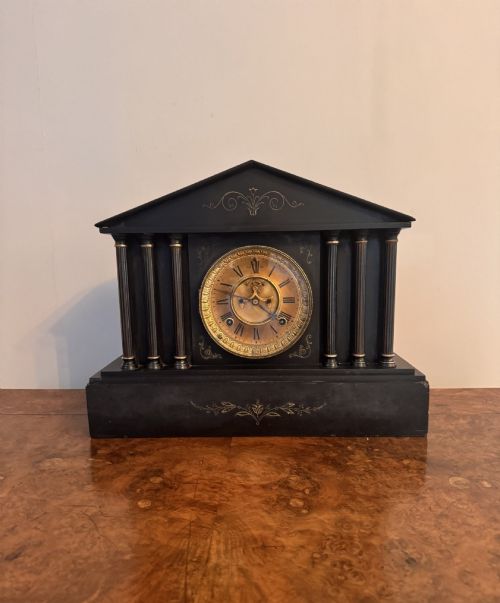
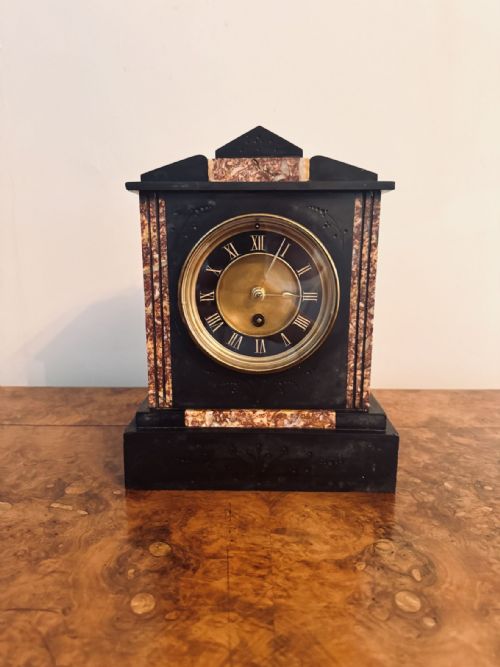
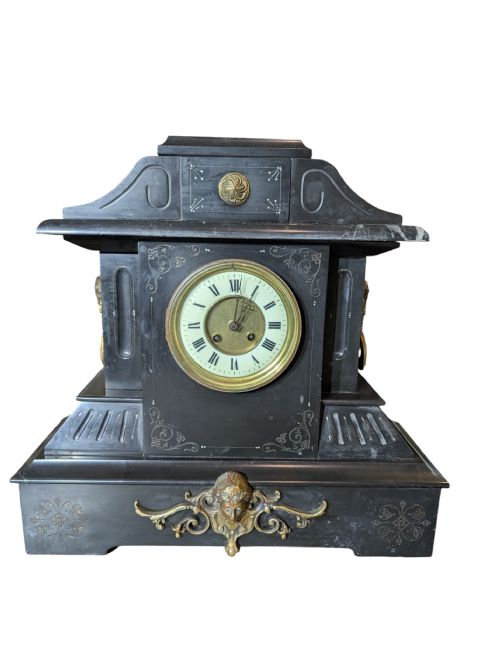
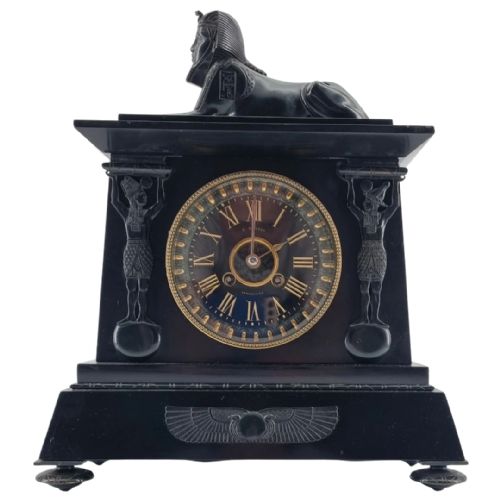
The most common format on this page is the robust slab utilised for wall mounting, often accompanying heavy stone or slate clock bodies from the Victorian era.
These pieces derive their character from geological materials rather than carved timber, presenting a flat, dark grey or black plane that stands apart from standard wooden shelving.
Materials and construction
Makers utilised dense natural slate, occasionally finished with ebonised wood supports or accented with brass and marble details to heighten the architectural contrast.
The heavy stone was cut and dressed by hand, exploiting the natural cleavage of the material to achieve flat horizontal planes capable of bearing substantial weight.
Antique Slate Shelves Retail Price Guide 2026
Typical asking prices for slate shelves among the pieces listed under this phrase on Sellingantiques today, from the lower quarter to the upper quarter. They describe what is for sale here now, not the wider market.
Listings combine nineteen-twentieth century shelving units with Victorian slate and marble clock bodies.
Markers of quality
Quality rests upon the purity of the stone and the precision of the edge profiling, distinguishing plain functional slabs from those with deliberate architectural mouldings.
The structural integrity of the mounting points and the uniformity of the slate face determine the tier of the piece, separating standard utility boards from refined interior fittings.
Philippes Paris·Baby and Jannings·D. Munsey of Cambridge·Achille Brocot
The Antique Slate Shelves Glossary
- Slate
- A fine-grained metamorphic rock that splits into thin, smooth plates. It provides a dense, dark surface resistant to moisture and wear.
- Victorian
- Pertaining to the reign of Queen Victoria, covering much of the nineteenth century. This period saw heavy use of architectural stone in domestic interiors.
- Architectural
- Design influenced by classical building forms and heavy stone construction. These pieces employ pediments, pilasters, and strong horizontal cornices.
- Ebonised
- Wood treated with a dark stain or chemical finish to imitate ebony. It frequently appears alongside black stone surfaces in nineteenth-century joinery.
Antique Slate Shelves: Frequently Asked Questions
How do I mount antique slate shelves securely?
Slate is a heavy, brittle material that requires robust metal brackets fixed directly into solid masonry walls. Distributing the weight evenly prevents the stone from fracturing under tension.
Ensure the fixings match the thickness of the slab, as undersized supports will fail under the natural mass of the stone.
Can antique slate shelves hold heavy books?
These dense stone slabs possess the compressive strength to support substantial weight, including rows of heavy volumes. The limiting factor is usually the strength of the wall fixings rather than the stone itself.
Check the depth and thickness of the individual shelf before loading it with dense objects.
How should I clean antique slate surfaces?
Wipe the stone with a soft, dry cloth to remove dust, avoiding harsh chemical detergents that can strip the natural finish. A light application of mineral oil can restore the deep black tone of dry slate.
Allow the oil to absorb fully before placing any items back onto the surface.
What period do these slate pieces come from?
The listings on this page span the nineteenth century into the early twentieth century, with a strong concentration of Victorian examples. This era favoured heavy, durable stone elements in architecture and interior decor.
Manufacturing techniques remained grounded in traditional hand-dressing methods throughout this timeframe.