
Antique Sketch
An antique sketch captures the direct, unmediated hand of the past on paper, offering buyers a rare window into preparatory thought and finished draftsmanship alike.
Antique Sketch
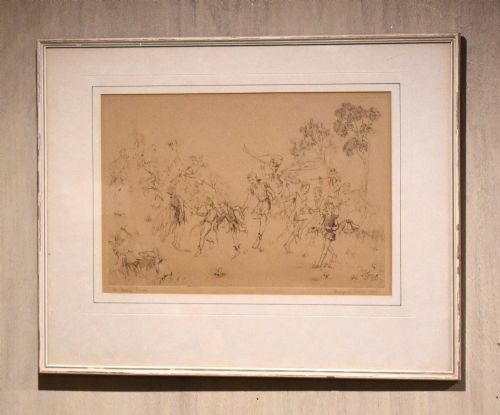
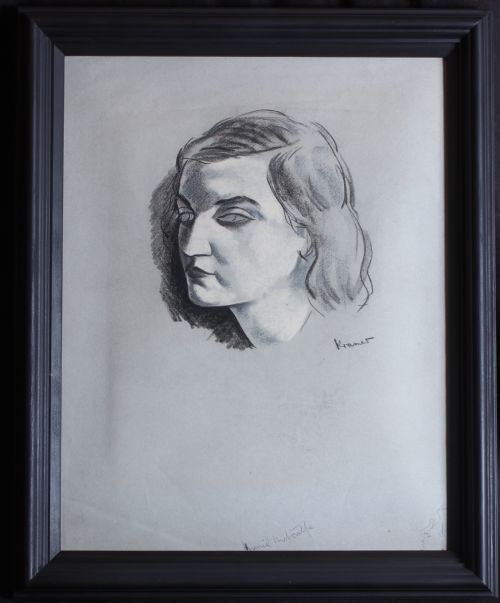
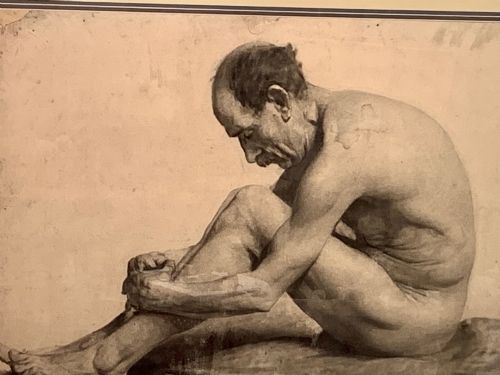
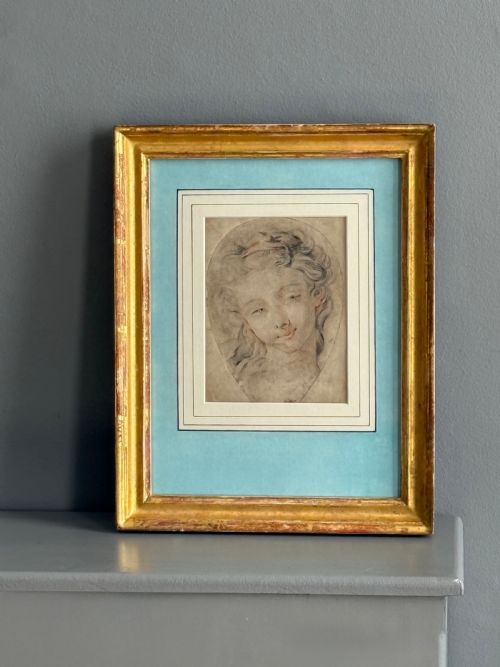
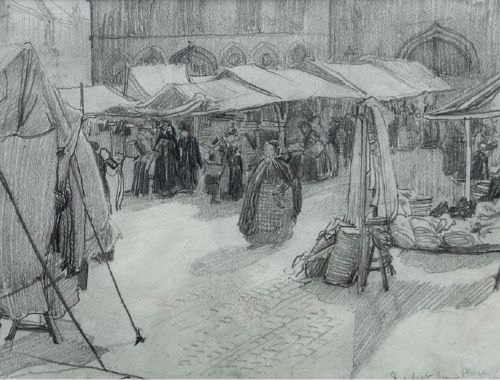
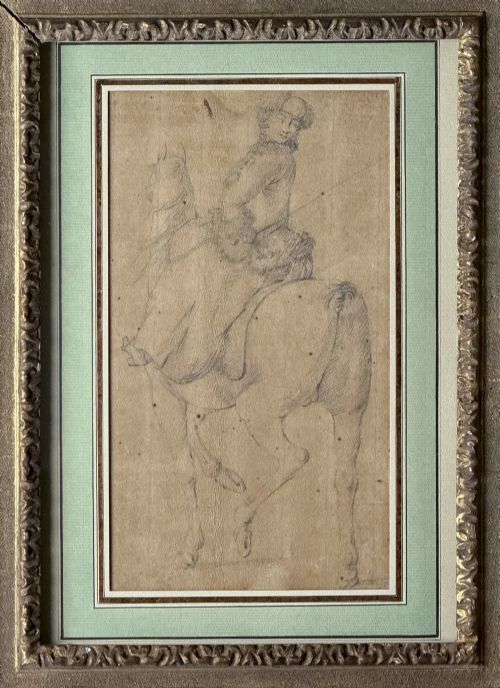
When searching for an antique sketch, buyers encounter original works on paper spanning from the eighteenth century through the early twentieth century. These pieces range from rapid landscape studies and figurative drawings to detailed portraiture executed in academic and naturalist styles.
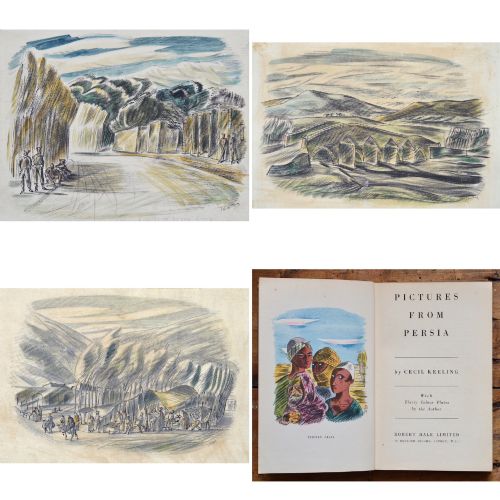
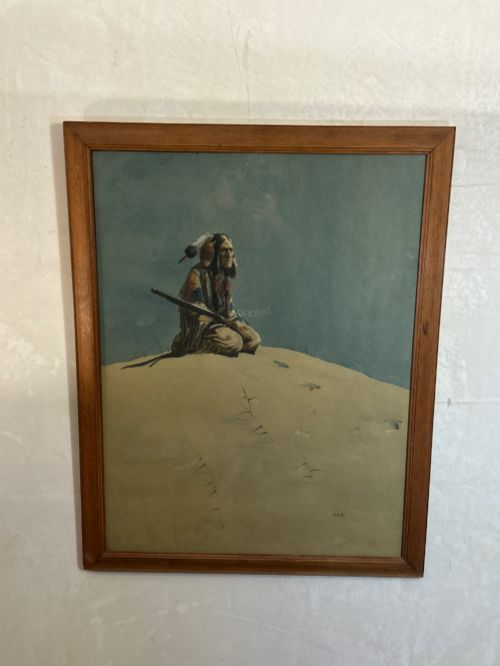
The most common examples on this page date from the nineteenth century, including Victorian works, Regency studies, and Edwardian portraits. Framed drawings, charcoal studies, and pen and ink landscapes form the core of the available selection.
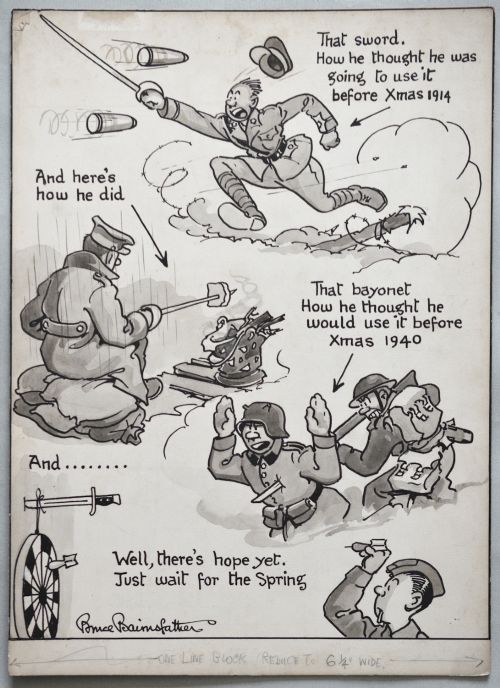
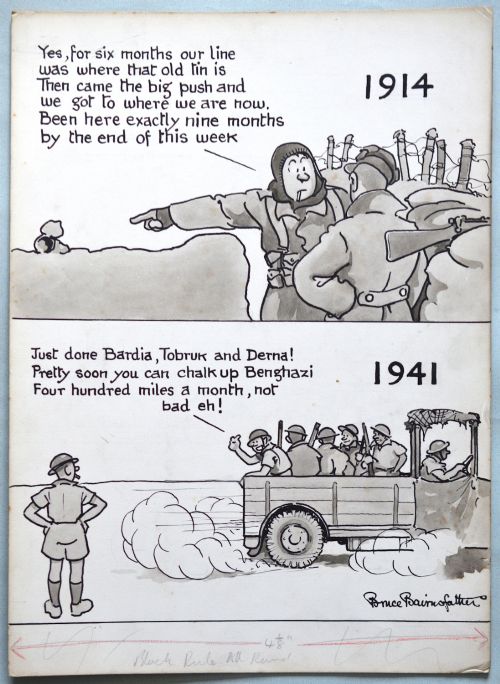
Earlier pieces from the eighteenth century appear alongside twentieth-century wartime portraits and Art Deco drawings. Each object serves as a direct record of the artist's initial observation or completed composition on paper.
Materials and execution
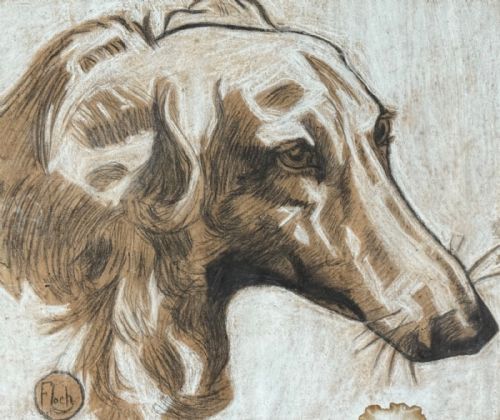
Artists relied primarily on paper supports, utilising graphite, charcoal, and chalk for foundational lines and tonal modeling. These dry mediums allowed for immediate correction and rapid capture of form during live sittings or outdoor observations.
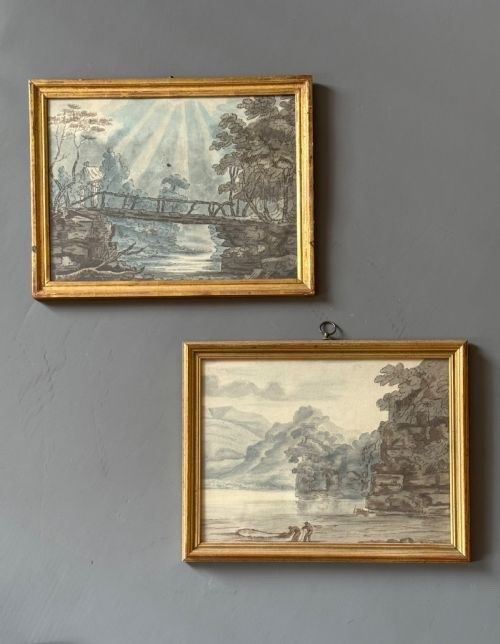
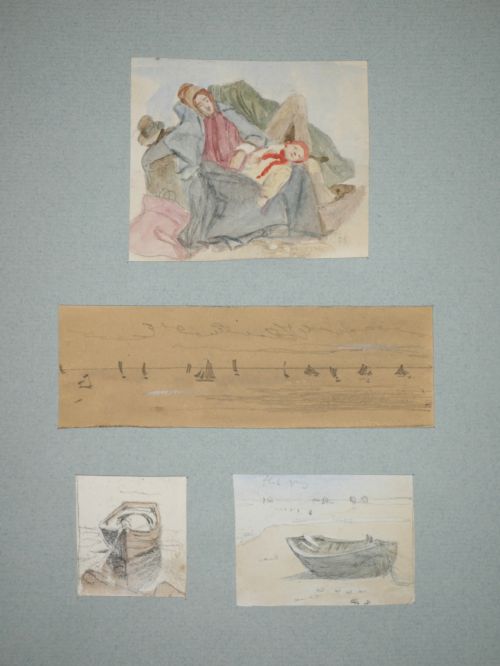
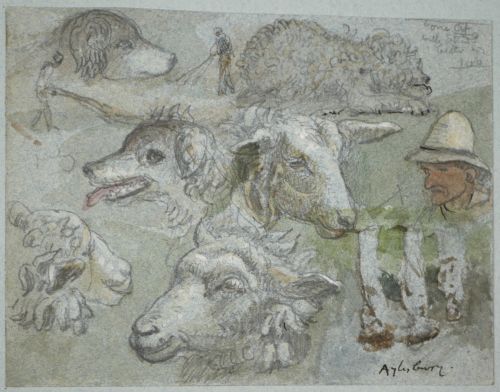
Ink, wash, and watercolour frequently augmented these preliminary sketches to add depth, shadow, and colour. Gum arabic, gouache, and pastel also appear across the selection, providing layered opacity and varied surface textures.
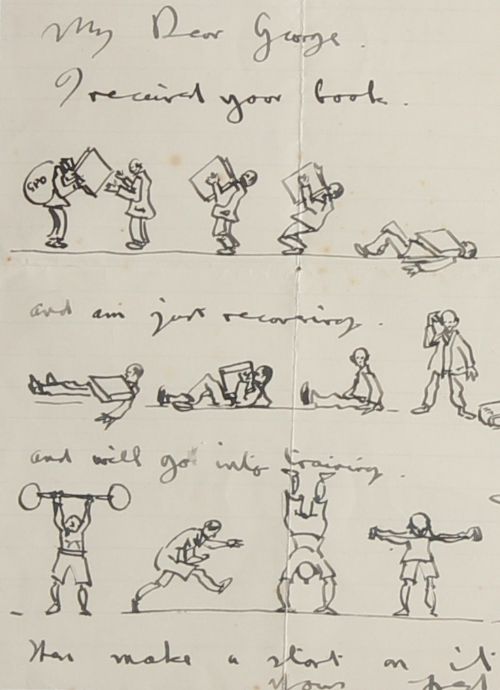
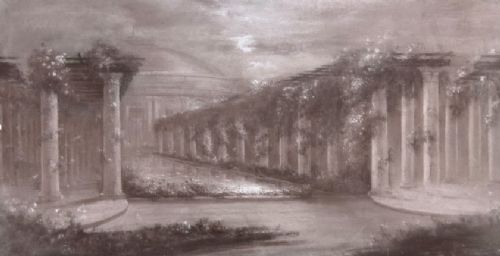
Makers applied these materials within framed drawings, wall art, and bound sheets. The combination of pen, ink, and wash dominated eighteenth-century topographical work, while twentieth-century examples embrace mixed media on buff paper.
Several eighteenth-century artists clearly spent more time studying horses than human anatomy.
Determinants of quality
The strength of the draftsmanship dictates the standard of an antique sketch, separating hesitant student exercises from confident master hands. Mastery of line, anatomical proportion, and spatial depth reveal the maker's underlying training and execution skill.
Preservation of the paper support and the stability of the drawing medium heavily influence the standing of a piece. Tonal richness in graphite and charcoal, combined with minimal fading in watercolours and inks, preserves the intended visual impact.
Provenance and contextual documentation elevate specific works, particularly when linked to identifiable schools, recognised artists, or documented historical subjects. The clarity of composition and the expressive urgency of the initial mark determine overall merit.
Marjorie L Davies·Francois Boucher·Fred Lawson·Henry Percy Huggill·James Smetham·John Hassall·William Etty·William Marshall Craig·Augustus John·Alfred Wolmark·Herbert Johnson Harvey·Henri Charles Angéniol
The Antique Sketch Glossary
- Graphite
- A form of carbon used in pencils to create monochrome lines and shading on paper. It replaced lead markers and became standard for detailed preliminary drawing.
- Wash
- A diluted layer of ink or watercolour applied with a brush to create tonal depth and shadow behind linear work. It provides atmospheric weight in landscape drawings.
- Gouache
- An opaque water-based medium containing pigment, water, and a binding agent such as gum. It allows artists to apply bright highlights over darker charcoal or ink layers.
- Buff paper
- A warm, yellowish-brown paper stock commonly utilised in the nineteenth and early twentieth centuries. Its neutral tone provides a ready mid-tone for highlights in chalk and white gouache.
- Academic realism
- A style of painting and drawing produced under the influence of European academies of art. It emphasises precise anatomical accuracy, classical proportions, and finished rendering.
Antique Sketch: Frequently Asked Questions
What is an antique sketch?
An antique sketch is an original drawing, watercolour, or mixed-media work on paper created by artists in past centuries. These pieces encompass everything from quick compositional ideas to finished portraits and landscapes.
Buyers acquire them for their direct connection to the artist's hand and the historical moments they record.
How should I frame works on paper?
Works on paper require conservation-grade framing to protect fragile mediums like charcoal, pastel, and watercolour from light damage and humidity. Acid-free mounts prevent the paper from discolouring over time.
Glazing with UV-filtering glass ensures that graphite and pigments do not fade when hung in domestic interiors.
How do I identify the period of a drawing?
Dating relies on examining the paper type, watermark evidence, framing style, and the drawing technique itself. Stylistic clues such as Regency costume or Victorian academic training offer clear temporal markers.
Signatures, inscriptions, and artist biographies provide further confirmation of a work's exact era.
Were these sketches meant to be finished art?
Many historical sketches served as preparatory studies for larger oil paintings or murals rather than independent pieces. Over time, collectors came to value these spontaneous works for their intimacy and immediacy.
Finished watercolours and framed presentation drawings were created as complete artworks from their inception.