
Antique Sketch Art
Antique sketch art comprises original drawings, watercolours and works on paper spanning the eighteenth to the twentieth centuries.
Antique Sketch Art
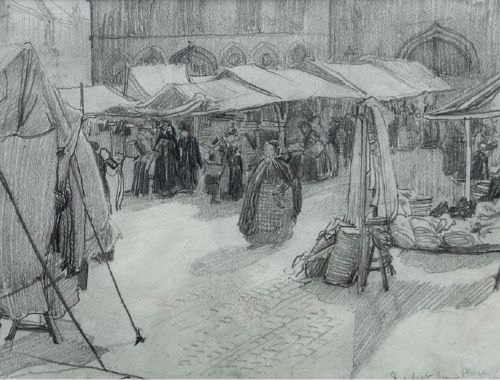
When searching for antique sketch art, collectors encounter works on paper executed in graphite, charcoal, ink, chalk and watercolour. These range from rapid landscape studies and architectural notes to finished academic figure drawings and portrait sketches.
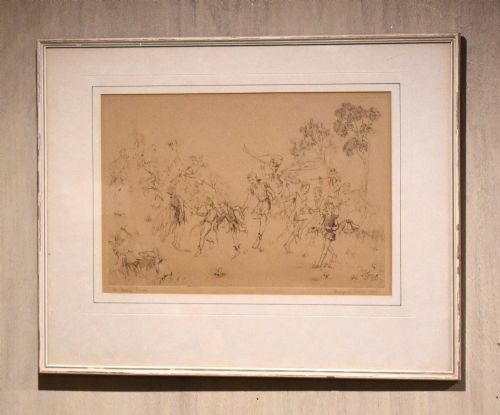
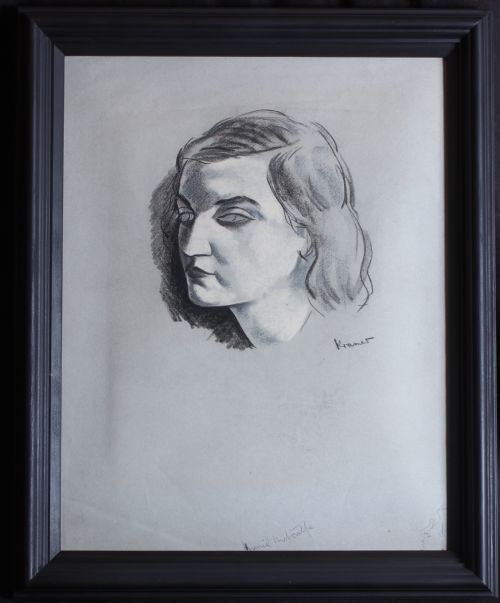
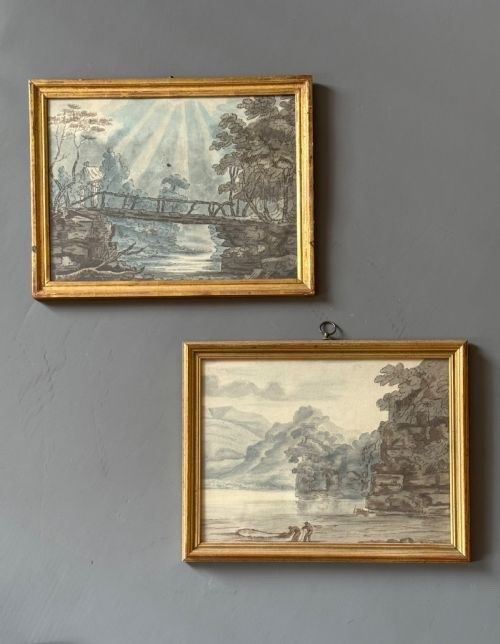
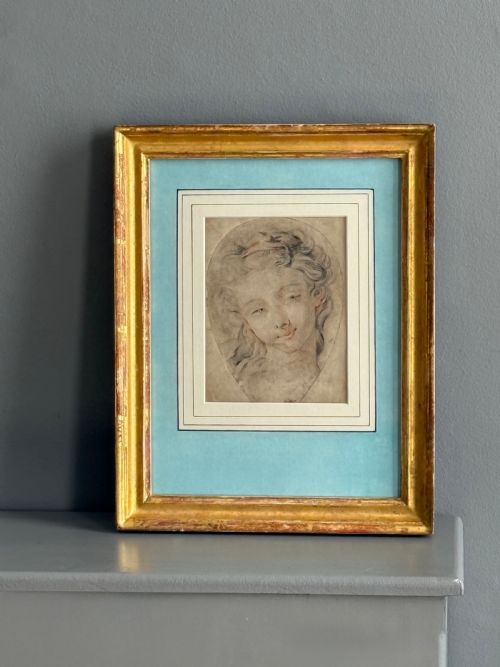
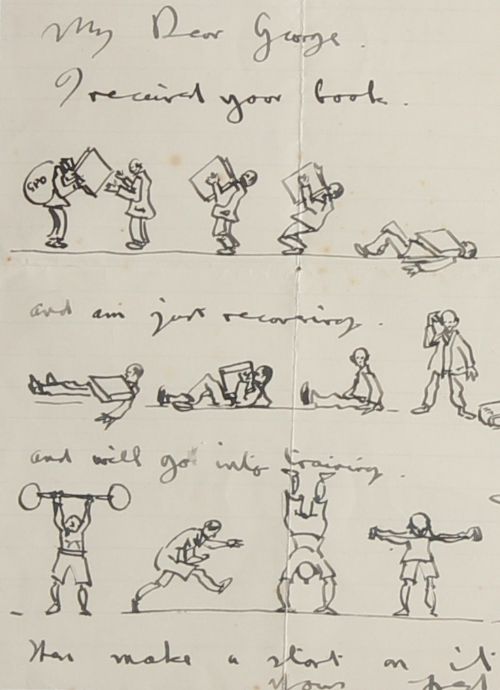
The material on this page spans several distinct eras, notably eighteenth-century pen and ink compositions, nineteenth-century academic studies, and early twentieth-century portraits. Framed drawings and mixed media sheets form the core of the selection.
Buyers frequently find works attributed to specific European schools alongside signed British and continental pieces. These historical sheets capture the immediate hand of the artist before transfer to canvas or print.
How they were made
Draftsmen relied on paper supports, sometimes tinted buff or prepared with wash, applying media such as graphite, compressed charcoal and iron gall ink. Artists built form through hatching, cross-hatching and tonal graduation.
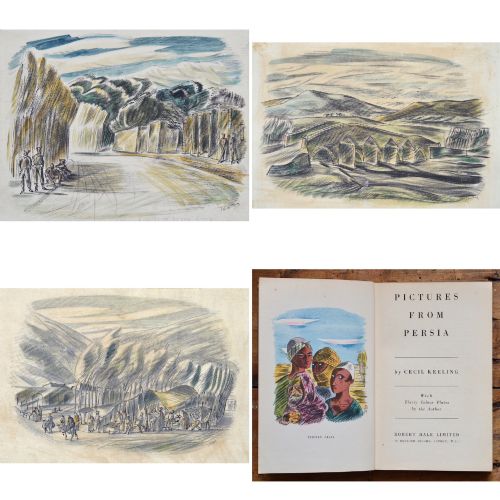
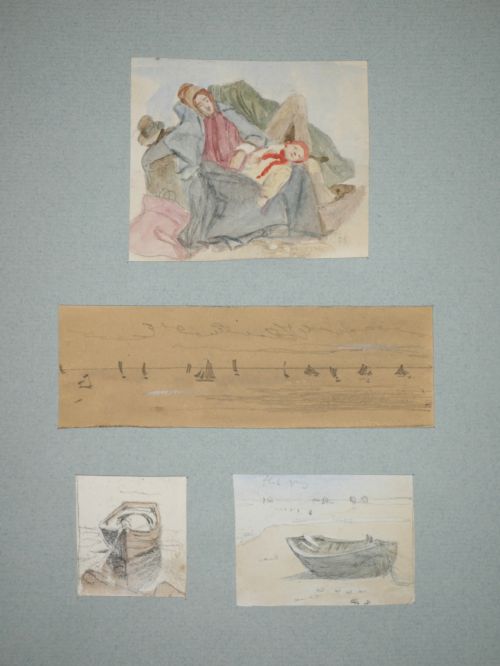
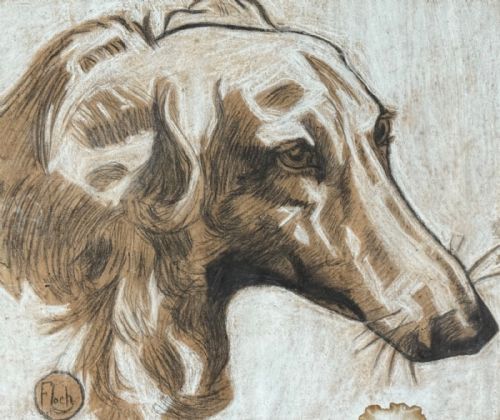
Watercolour, gouache and pastel added colour and opacity to linear frameworks, particularly in portraits and landscape sketches. Fixing agents preserved friable media like chalk and pastel on the fragile paper sheet.
Mounting and framing protected these works behind glass, shielding the organic pigments and paper fibres from environmental degradation over centuries.
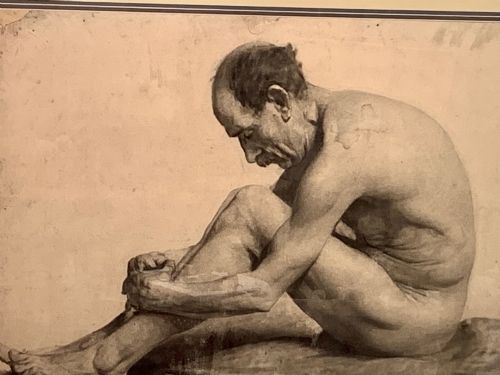
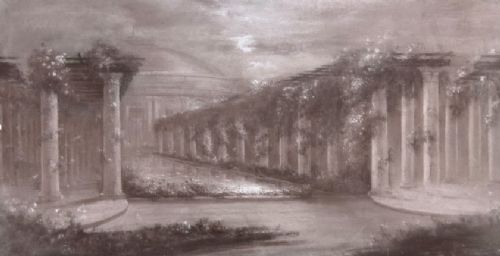
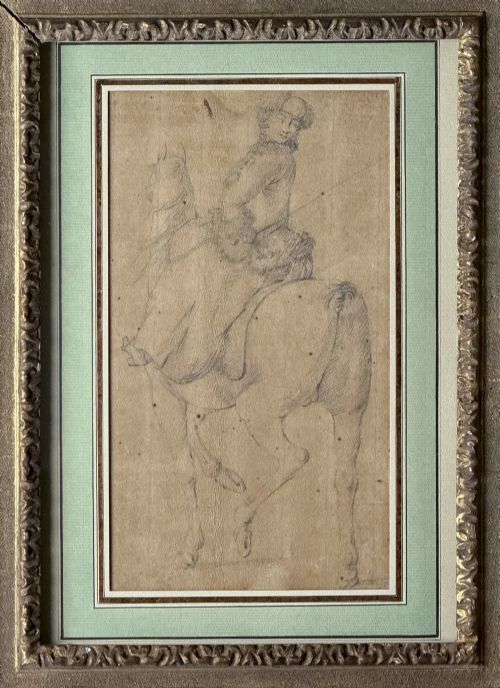
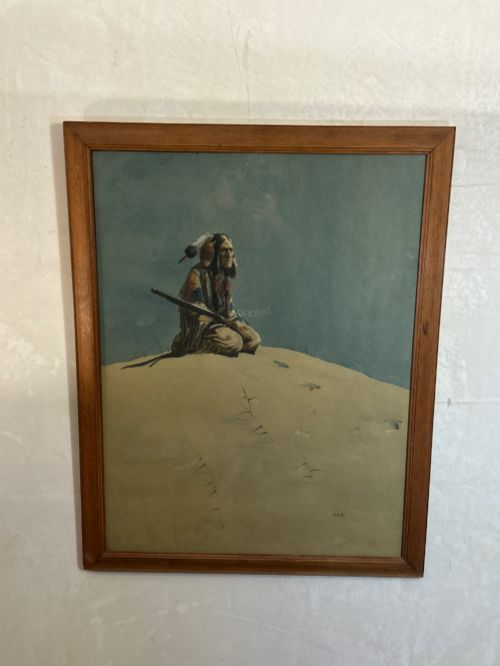
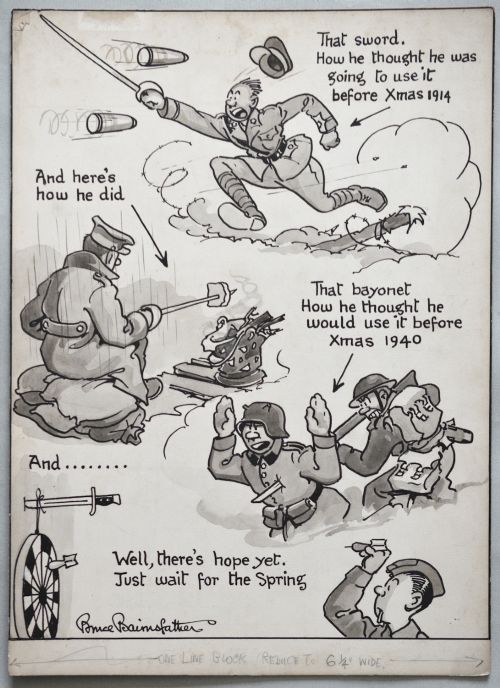
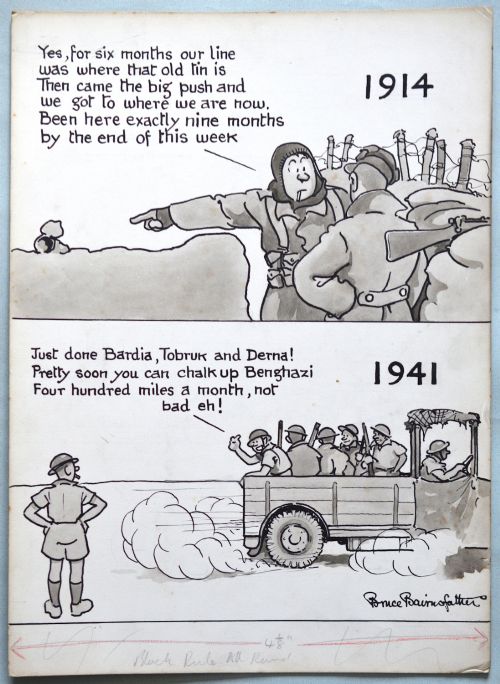
The selection includes academic nude studies, equestrian compositions, architectural churches and portraits of military officers.
What varies in quality
The execution of anatomy, perspective and line confidence separates casual exercises from accomplished academic studies. Masterly control of graphite or ink conveys volume and texture with minimal strokes.
The condition of the paper support and the stability of the medium dictate preservation quality. Unfaded pigments and minimal foxing preserve the original visual impact intended by the draftsman.
Marjorie L Davies·Fred Lawson·Henry Percy Huggill·James Smetham·John Hassall·William Etty·William Marshall Craig·Alfred Wolmark·Herbert Johnson Harvey·Henri Charles Angéniol
The Antique Sketch Art Glossary
- Graphite
- A form of carbon used in pencils to produce grey to black linear marks. It allows for precise detail and subtle tonal shading.
- Wash
- A diluted application of ink or watercolour providing flat areas of tone or shadow behind linear work. It adds depth to ink and pencil drawings.
- Academic study
- A rigorous drawing or painting executed from a live model or plaster cast to train artistic technique. These sheets demonstrate mastery of proportion and shadow.
- Buff paper
- A pale brownish-yellow paper stock favoured by draftsmen for studies. It provides a neutral mid-tone that accepts white bodycolour highlights.
- Mixed media
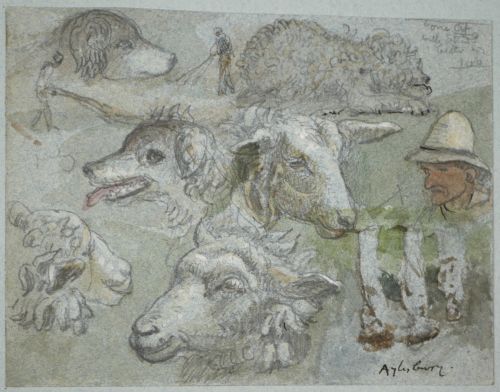
- An artwork combining two or more artistic materials on a single support, such as pencil, gouache and ink together.
Antique Sketch Art: Frequently Asked Questions
How should I display antique sketch art?
Works on paper require protection from direct sunlight to prevent the fading of inks, watercolours and tinted papers. UV-filtering glass and acid-free mounting help preserve the delicate materials over time.
Position pieces away from damp environments such as kitchens or unheated spaces. Stable indoor humidity prevents paper cockling and mould growth.
What is the difference between a sketch and a finished drawing?
A sketch is typically a rapid, exploratory study capturing a pose, composition or lighting effect without fine detail. Artists used these preliminary notes to plan larger paintings or record observations on site.
A finished drawing is a deliberate, fully resolved artwork intended as a standalone piece. These works feature meticulous shading, refined contours and often a signature or date.
How do I identify the period of a drawing?
Dating relies on paper watermarks, stylistic conventions, framing methods and the costume or architecture depicted. Eighteenth-century works often display laid paper with distinct chain lines, while nineteenth-century sheets frequently utilise wove paper.
Signatures, inscriptions and collector marks on the reverse provide further clues. Comparing hand and medium characteristics with documented examples helps narrow the date range.
Are these works unique?
Drawings, watercolours and pastels are entirely hand-executed and represent singular creative acts. Unlike printed editions, each sheet exists as a one-off survival from the artist's hand.
Even preparatory sketches carry unique compositional changes and corrections visible beneath the final surface lines.