



Antique Silverware Accessory
These antique silverware accessory pieces span Georgian, Victorian, and Edwardian dining tables, offering both practical utility and fine metalwork.
Antique Silverware Accessory
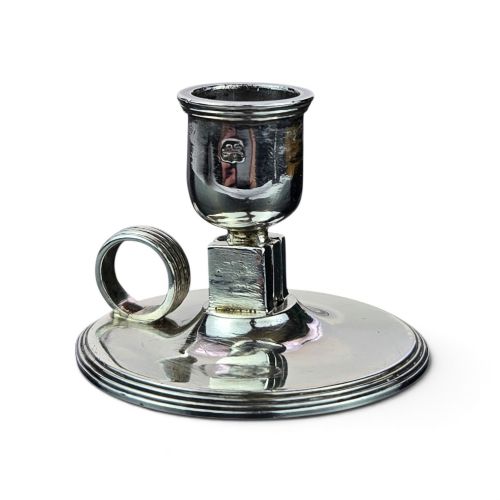
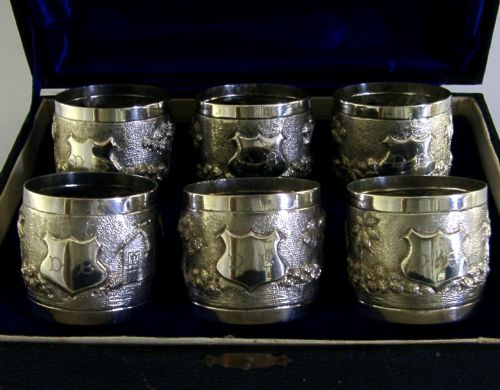
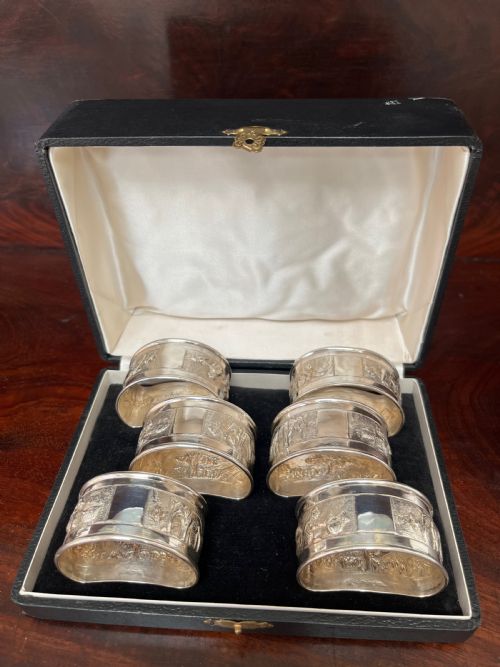
The selection includes specialised items such as folding tapersticks, pepper pots, knife rests, and novelty baby peppers alongside cased sets of napkin rings. These pieces reflect the detailed tablesetting customs of the eighteenth, nineteenth, and early twentieth centuries.
Assessing Craftsmanship
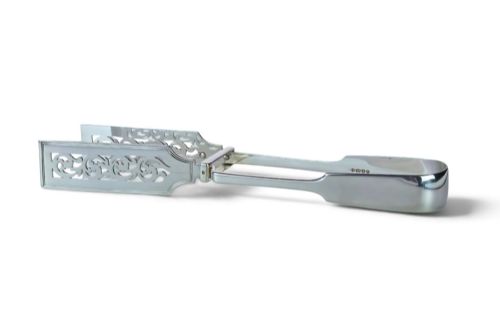
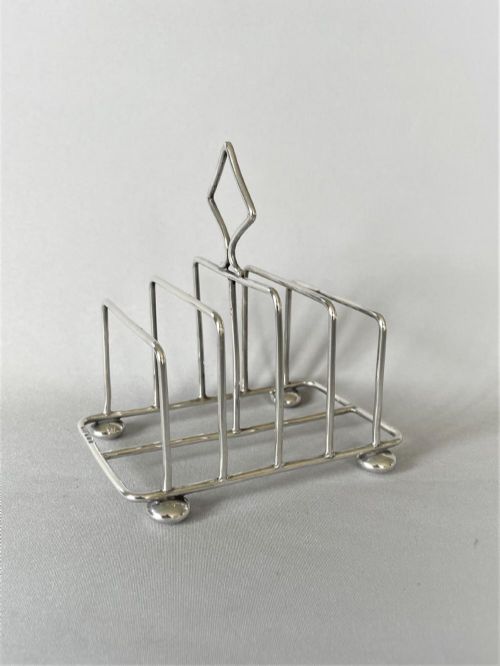
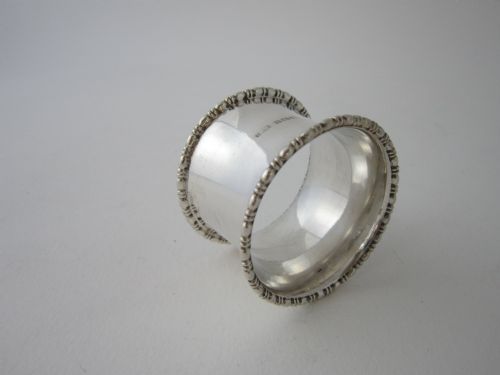
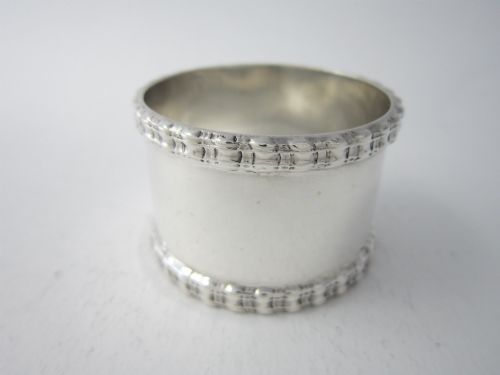
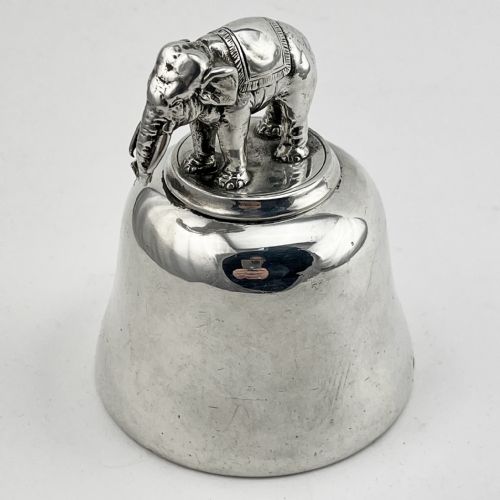
Quality in these accessories rests upon the crispness of the casting and engraving, seen clearly in the piercing of toast racks or the detailed modelling of novelty pepper pots and spoon warmers. Superior pieces retain sharp definition in their decorative motifs rather than showing softened edges from heavy wear or over-polishing.
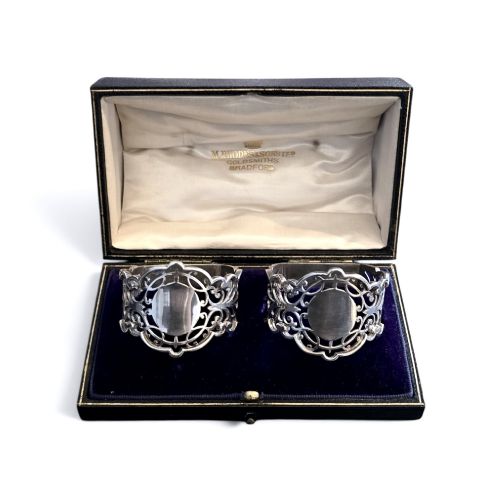
The presence of a fitted original case with intact lining fabric elevates certain sets, while maker marks from notable workshops provide clear attribution. Weight and gauge of the metal also distinguish substantial table items from lighter production.
Antique Silverware Accessory Retail Price Guide 2026
Typical asking prices for silverware accessory among the pieces listed under this phrase on Sellingantiques today, from the lower quarter to the upper quarter. They describe what is for sale here now, not the wider market.
A novelty silver-plated spoon warmer shaped precisely like an Edwardian shoe waits to amuse guests at the tea table.
Elizabeth Eaton·John Reilly·Martin Hall & Co·Bateman Family·Liberty & Co·John Grinsell & Sons·Josiah Williams & Co·Reilly & Storer
The Antique Silverware Accessory Glossary
- Sterling silver
- A silver alloy containing 92.5 percent pure silver by mass, with the remainder usually copper. This standard appears on the vast majority of quality British tableware.
- Caddy spoon
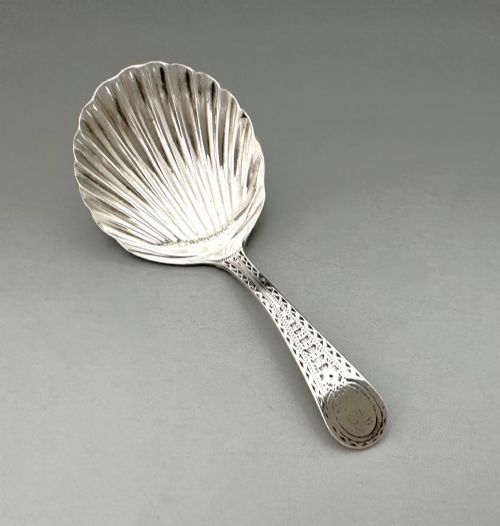
- A short-handled spoon specifically designed for measuring loose tea from a caddy. These frequently feature shell bowls and engraved handles.
- Sugar nips
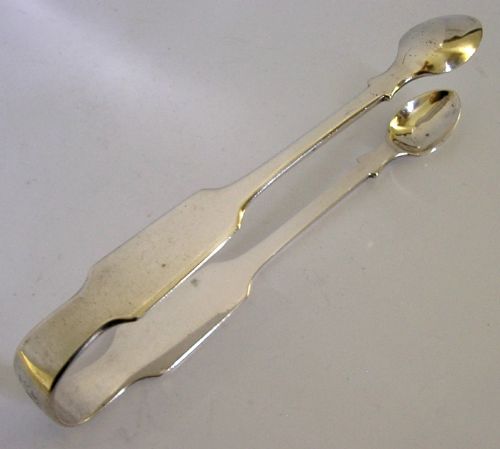
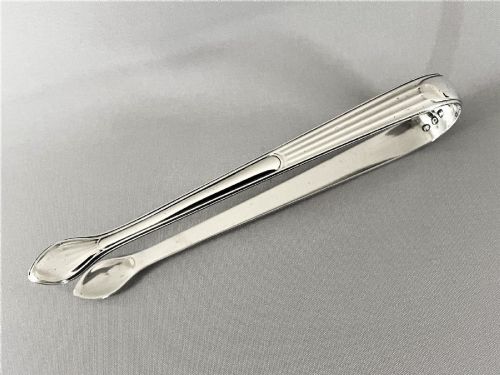
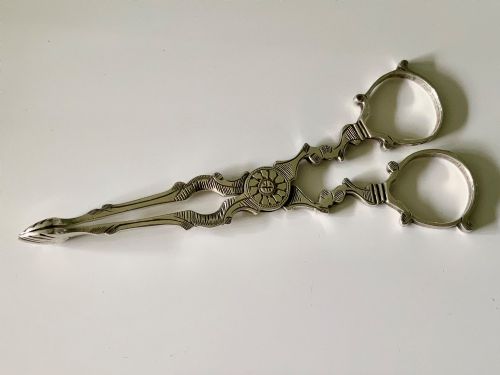
- Spring-action tongs used for grasping sugar lumps before the widespread adoption of granulated sugar. Early examples often date to the Georgian period.
- Toast rack
- A small metal frame with vertical dividers designed to hold slices of toast upright at the breakfast table. They date from the Georgian era onwards.
- Hallmark
- A series of official marks stamped onto precious metal items to guarantee the purity of the metal and record the year and maker.
Antique Silverware Accessory: Frequently Asked Questions
What are antique silverware accessories used for?
These items serve specific functions during formal dining and tea service, including holding napkins, dispensing sugar, and serving toast or grapes.
Many pieces were designed for daily household rituals that have since evolved, reflecting the structured dining habits of past centuries.
How do I identify the date of a silver accessory?
You can determine the production period by examining the hallmarks stamped onto the metal surface, which typically include a date letter indicating the exact year of assay.
Stylistic cues such as Art Deco geometric lines or Victorian ornamentation also help narrow down the manufacturing era.
What is the difference between sterling silver and silver plate?
Sterling silver consists of solid precious metal throughout the piece, marked with a lion passant or similar standard indicator on British items.
Silver plate involves a thin layer of silver bonded to a base metal core, which you can identify by the absence of sterling hallmarks.
How should I display or store cased silver sets?
Cased sets of napkin rings or cutlery benefit from being kept in their original velvet or silk-lined boxes away from direct sunlight to protect the fabric.
Regular, gentle polishing with an appropriate cloth maintains the finish of the silver without wearing down delicate engraving.