




Antique Silverplated Tray
An antique silverplated tray brings practical elegance to a table, combining polished display with durable metalwork.
Antique Silverplated Tray
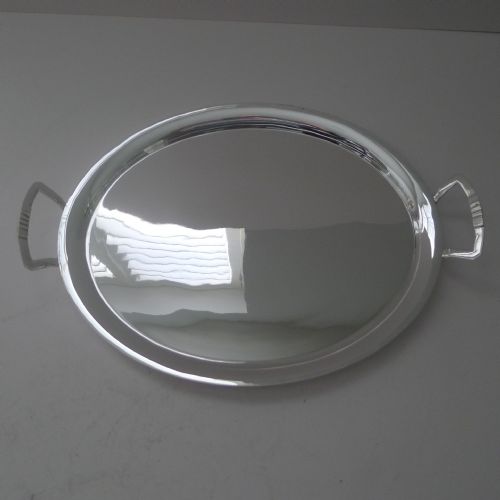
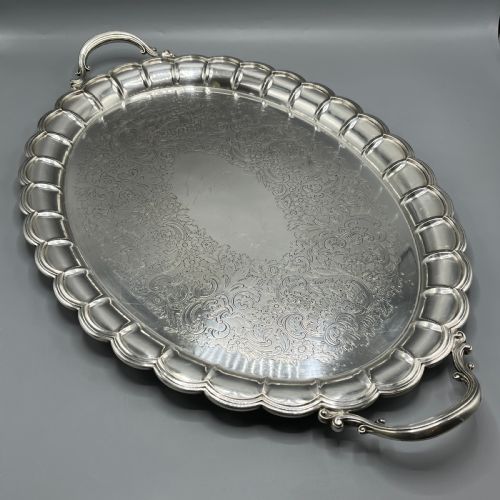
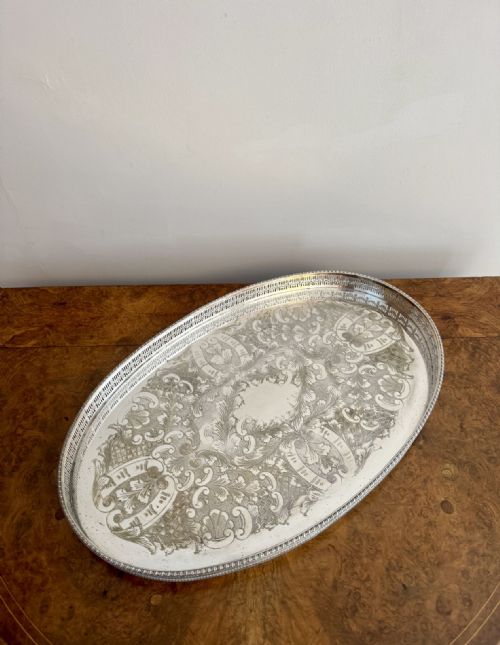
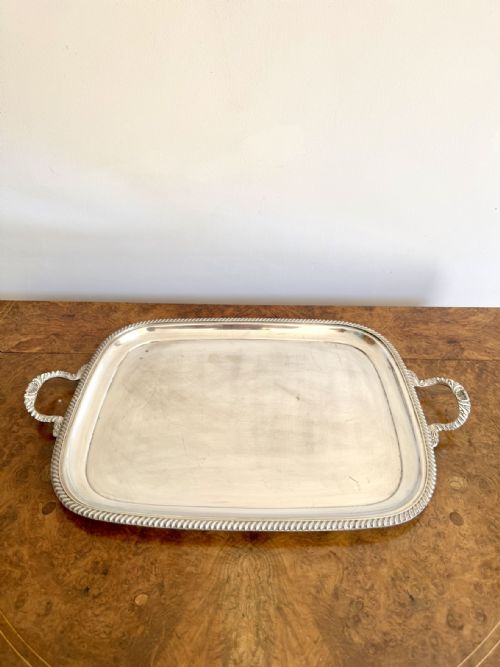
An antique silverplated tray covers serving trays, salvers, and specialised dishes designed for hosting or display. These pieces range from substantial Edwardian serving trays to decorative salvers and figural dishes.
The Edwardian period and the turn of the twentieth century dominate the forms found here, alongside Victorian examples from the late nineteenth century. Makers applied styles spanning plain Edwardian utility to ornate French Rococo Revival ornamentation.
Buyers encounter serving trays, salvers, and serveware that utilise silver plate over base metals. Forms include circular salvers, rectangular serving trays, and specific dishes such as asparagus dishes and trinket dishes.
What varies in quality
The standard of an antique silverplated tray depends upon the crispness of its cast ornamentation and the weight of the underlying base metal. Heavier pieces with deep, hand-finished borders demonstrate superior workshop production.
The integrity of the silver plating across high-friction areas like the centre of a tray or salver defines the lasting value. Pieces by documented makers often display finer detailing in handles, feet, and engraved surface motifs.
Antique Silverplated Tray Retail Price Guide 2026
Typical asking prices for silverplated tray among the pieces listed under this phrase on Sellingantiques today, from the lower quarter to the upper quarter. They describe what is for sale here now, not the wider market.
Some Victorian dining tables secretly relied on figural dishes shaped like asparagus to hold the most fashionable vegetable of the season.
Mappin & Webb·Fenton Russel·Victor Saglier·William Padley
The Antique Silverplated Tray Glossary
- Silver Plate
- A thin layer of silver bonded to a base metal object. This method provided the appearance of solid silver at a lower cost for domestic tableware.
- EPNS
- Electroplated Nickel Silver. A common base alloy of copper, nickel, and zinc coated with silver through an electrolytic process.
- Salver
- A flat tray, typically circular and standing on small feet. These pieces were traditionally used for serving drinks or presenting letters and calling cards.
- Rococo Revival
- A decorative style popular in the nineteenth century characterised by asymmetrical scrolls, floral motifs, and shell work. This aesthetic appears frequently on ornate serving trays and dishes.
Antique Silverplated Tray: Frequently Asked Questions
What is an antique silverplated tray used for?
These trays served primarily for carrying drinks, tea services, and food dishes during formal dining and household entertaining. Smaller versions functioned as salvers for presentation or as specialised dishes.
Today, collectors utilise them as decorative home accessories, bar displays, or functional serving pieces for gatherings.
How do I identify an Edwardian silverplated tray?
Edwardian pieces often feature lighter, refined ornamentation compared to heavier Victorian designs, though Edwardian makers frequently drew on earlier Georgian and French styles. Examining the overall form and decorative motifs helps place the piece around the turn of the twentieth century.
Makers' marks stamped into the metal can also narrow down the production era to the Edwardian period or late nineteenth century.
What is the difference between a tray and a salver?
A salver is traditionally a flat, round tray raised on small feet, historically used for serving wine or presenting items formally. Serving trays are often larger, rectangular or oval, and equipped with handles for carrying.
Both categories fall under the broader heading of silverplated serveware found in nineteenth and twentieth-century dining rooms.
How should I clean an antique silverplated tray?
Clean silver plate gently using a specialist silver polish and a soft cloth to avoid wearing through the thin plated layer to the base metal. Regular, light dusting preserves the polished finish without harming the historic surface.
Store or display the tray in a dry environment to slow down natural tarnishing over time.