







Antique Silver Tube
These antique silver tube pieces range from tinder holders to cigar cases and desk accessories, offering practical craftsmanship for everyday use.
Antique Silver Tube
When you search for antique silver tube pieces, you find a diverse collection of pocket accessories, desk equipment, and domestic items shaped around cylindrical forms. These functional objects span Victorian, Regency, Edwardian, and Georgian periods, showcasing the varied applications of silver in daily life.
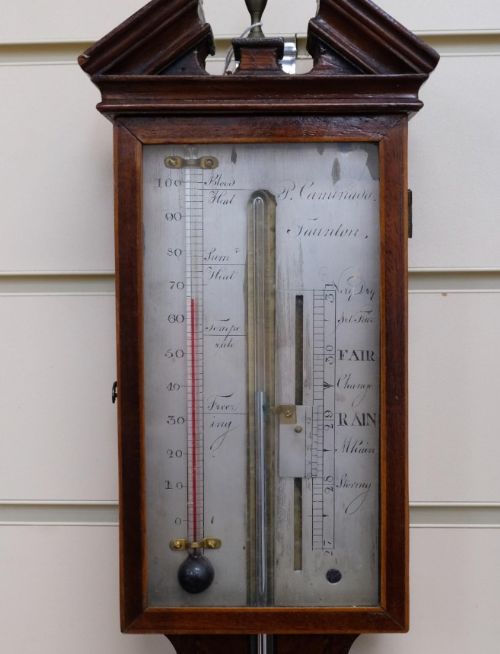
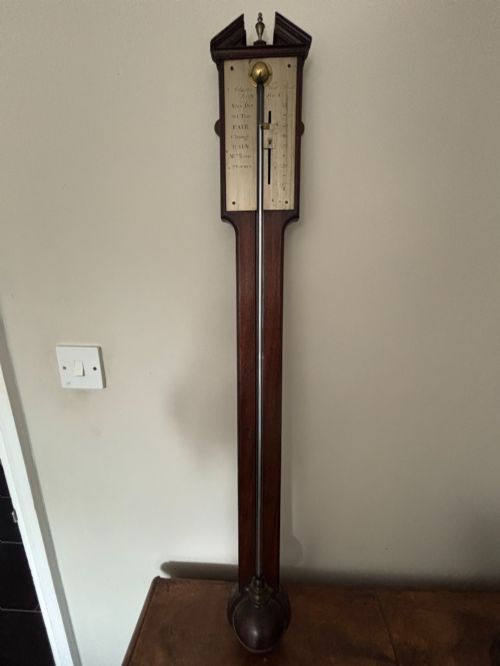
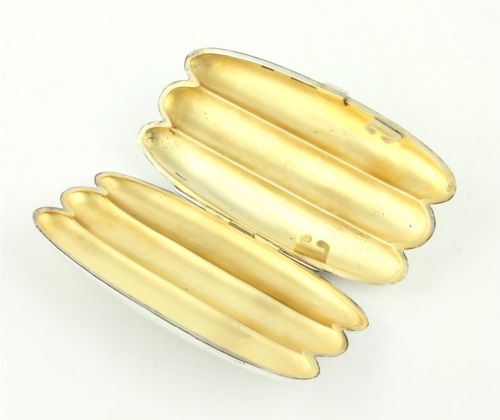
You are most likely to encounter smaller pocket and desk items such as cigar cases, tinder tubes, cheroot holders, and sealing wax holders made from sterling silver. Larger domestic examples also appear, including lemonade jugs featuring internal ice tubes and various stick barometers housed in mahogany cases.
The materials paired with the silver include glass, brass, steel, cotton, and amber, demonstrating how makers combined metals and organic substances. These pieces reflect the specific utilitarian needs of the nineteenth and early twentieth centuries, serving distinct functions from smoking to writing.
How they were made
Makers shaped sterling silver and silver plate into cylindrical forms using traditional silversmithing techniques such as hammering, drawing, and joining. These tubes often required precise fitting lids, screw caps, or hinged mechanisms to secure contents like cigars, matches, or sealing wax.
Combination pieces integrate silver with mahogany, glass, brass, steel, cotton, and amber, requiring diverse workshop skills across metalworking and cabinet making. Signed scientific instruments like stick barometers demonstrate advanced calibration alongside detailed woodwork and silver or brass fittings.
An Edwardian desk ruler arrived with its original sealing wax completely unused, preserving a stationery kit frozen in time over a century ago.
What varies in quality
The calibre of an antique silver tube is determined by the crispness of its chasing, engraving, and maker hallmarks, which indicate the skill of the original silversmith. Pieces produced by established makers or signed by instrument makers exhibit superior precision in construction and mechanics.
The integrity of surviving original components, such as unused sealing wax, amber mouthpieces, or internal glass ice tubes, distinguishes exceptional examples from altered or incomplete items. Superior execution is also evident in the seamless integration of secondary materials like mahogany, brass, and glass.
P. Caminada Taunton·George Adams London·Mappin And Webb·Zimmerman·Pillischer London·James Gatty London·Tarone Gally And Co
The Antique Silver Tube Glossary
- Sterling silver
- A silver alloy containing 92.5 percent pure silver and 7.5 percent other metals, usually copper, ensuring durability for functional items.
- Tinder tube
- A small cylindrical container used historically to house tinder and flint for starting fires before the invention of safety matches.
- Sealing wax holder
- A desk accessory designed to store sticks of sealing wax, often combined with a seal or a ruler.
- Cheroot holder
- A small tubular sleeve, often made from amber and gold or silver, designed to hold a thin cigar for smoking.
- Stick barometer
- A tall, narrow weather-measuring instrument housed in a wooden case, typically mahogany, displaying atmospheric pressure.
- Silver plate
- A base metal coated with a thin layer of silver, offering the appearance of solid silver at a different cost.
Antique Silver Tube: Frequently Asked Questions
What is an antique silver tube used for?
These cylindrical silver items served various everyday functions in the nineteenth and early twentieth centuries, primarily holding smoking accessories, tinder, or writing materials like sealing wax.
Some larger examples functioned domestically, such as lemonade jugs with internal ice tubes to chill drinks without dilution.
How do I date an antique silver tube?
Dating relies heavily on hallmarks stamped into the silver, which identify the assay office, the specific year of production, and the maker's mark.
Stylistic indicators from periods such as Georgian, Victorian, and Edwardian, along with signed maker details on scientific instruments, also help narrow the timeframe.
Are these silver tubes fragile?
While solid sterling silver is robust, cylindrical pocket accessories can be susceptible to dents or pressure damage if dropped or improperly stored.
Items incorporating delicate secondary materials like glass, amber, or cotton require careful handling to preserve their original condition.
How should I clean antique silver?
Cleaning should be done gently using a soft microfibre cloth and specialised silver polish designed to remove tarnish without harming the underlying metal.
Avoid abrasive cleaners or harsh chemicals, especially on pieces that combine silver with amber, glass, wood, or fabric components.