






Antique Silver Topped Gold
Antique silver topped gold brings together two precious metals, uniting a bright silver face with a warm gold backing in rings, brooches, and pendants.
Antique Silver Topped Gold
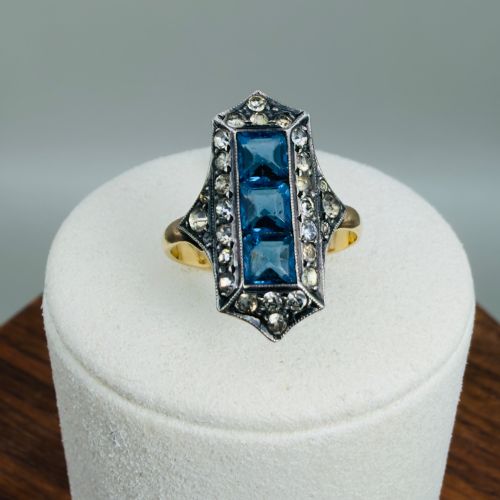
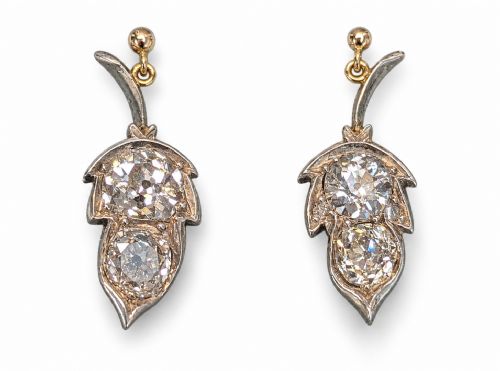
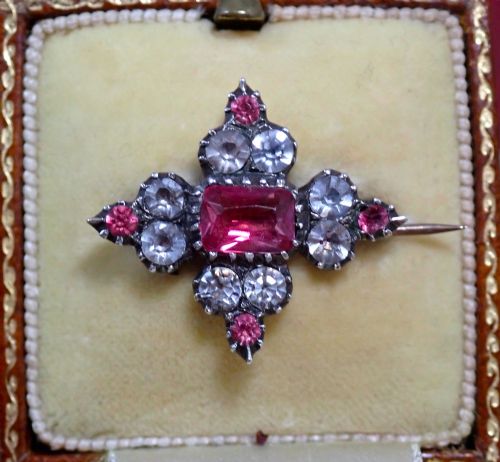
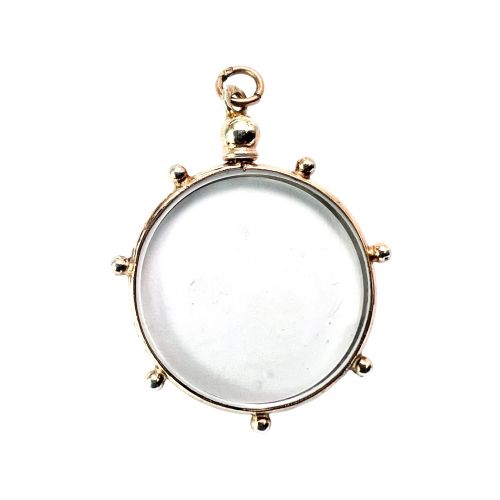
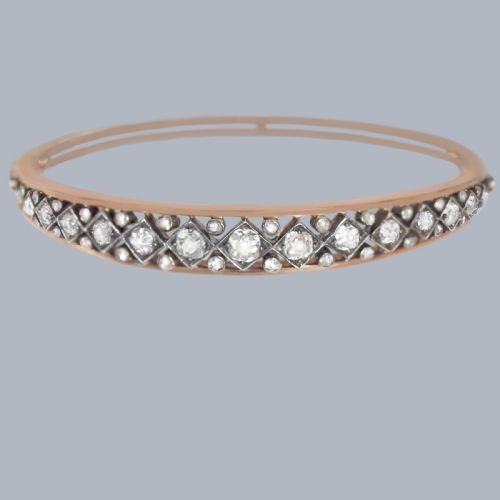
Antique silver topped gold describes jewellery items where a layer of silver sits over a gold base, a method used primarily to showcase gemstones. Buyers searching for antique silver topped gold encounter pieces predominantly from the Georgian and Victorian periods.
The combination serves a distinct purpose in early jewellery manufacture, placing silver on the front to reflect light off white stones while keeping gold on the reverse against the skin. Rings, brooches, earrings, and pendants dominate the selection, often set with diamonds, pastes, or coloured gems.
Pieces from the nineteenth century make up the majority of what appears on this page, spanning early Victorian, mid-Victorian, and late Victorian eras. Georgian examples also emerge, alongside occasional Edwardian and Art Deco items that continue the traditional metal combination.
Materials and construction methods
The construction relies on fusing a thin sheet of silver to a thicker gold backing, such as 9ct, 15ct, or 18ct gold, before shaping the metal into complex forms. This dual-metal technique allows the jeweller to utilise the cooler colour of silver for claw or foil settings while retaining the structural strength and warmth of gold.
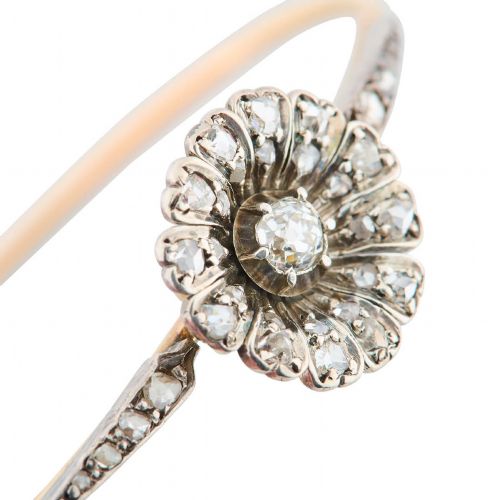
Gemstones like old-cut diamonds, rose-cut diamonds, rubies, emeralds, and paste stones are hand-set directly into the silver layer. Foil backs and closed backs frequently appear beneath the stones, enhancing the refraction of light within the mounting.
Antique Silver Topped Gold Retail Price Guide 2026
Typical asking prices for silver topped gold among the pieces listed under this phrase on Sellingantiques today, from the lower quarter to the upper quarter. They describe what is for sale here now, not the wider market.
Listings feature items spanning the Georgian, Victorian, and Edwardian periods, utilising silver, gold, diamonds, pastes, and glass.
Judging the quality of the work
Quality rests upon the precision of the metal work where the silver meets the gold, and the crispness of the hand-cut stones secured within the mounts. Superior pieces display delicate millegrain or claw work that holds the gems firmly without obscuring their facets.
The integration of the two metals dictates the overall refinement, with better examples showing seamless alignment between the silver face and the gold structure underneath. The choice of stones, from well-matched old mine-cut diamonds to fine natural rubies, elevates the standing of the piece within its period.
The Antique Silver Topped Gold Glossary
- Silver-topped gold
- A dual-metal technique where silver is applied to the front of a gold item to provide a bright white setting for gemstones.
- Old-cut diamond
- A hand-faceted diamond shape typical of the Georgian and Victorian eras, featuring a smaller table and larger culet.
- Rose-cut diamond
- A vintage stone cut with a flat base and a domed crown composed of triangular facets.
- Paste
- Hand-cut glass used in antique jewellery to imitate precious gemstones, highly valued when original to the piece.
- Closed back
- A setting style where the reverse of the gemstone mounting is enclosed in metal, often containing foil to enhance colour and brilliance.
Antique Silver Topped Gold: Frequently Asked Questions
What is silver topped gold jewellery?
Silver topped gold jewellery combines a silver face with a gold back, a traditional method used before platinum became popular for setting diamonds.
The silver layer provides a bright white surface that complements white stones, while the gold underneath provides durability and prevents tarnishing against the skin.
How do I care for antique silver topped gold?
Care requires keeping the pieces away from moisture and harsh cleaning chemicals, as the silver component tarnishes over time while the gold remains stable.
Gentle wiping with a soft, dry cloth preserves the metal layers and protects the delicate foil-backed or closed-set stones from liquid damage.
When was silver topped gold made?
Most silver topped gold pieces date from the Georgian and Victorian periods, spanning the eighteenth and nineteenth centuries.
Jewellers utilised this technique well into the Edwardian era before the introduction of platinum shifted setting standards.
Can I wear these pieces every day?
Daily wear is possible with robust items like rings and heavy brooches, provided they receive careful handling and are removed before physical tasks.
Fragile items, particularly those with closed backs or delicate paste stones, benefit from occasional wear to protect their historical settings.