


Antique Silver Thimble Case
An antique silver thimble case is a small, portable container made to protect a sewing tool, found in Victorian and Edwardian iterations.
Antique Silver Thimble Case
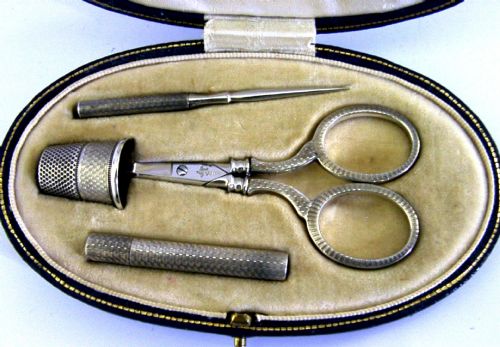
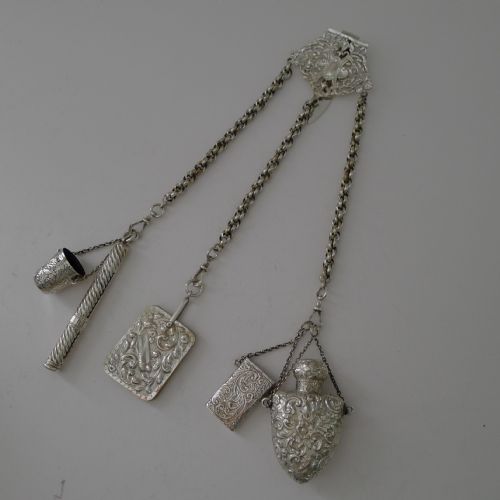
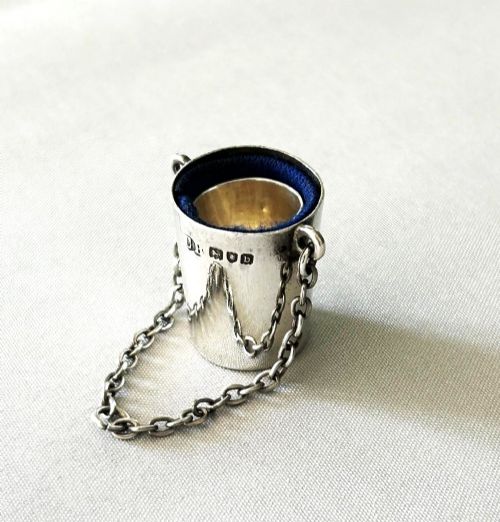
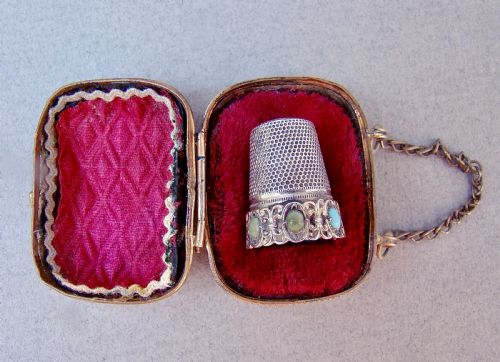
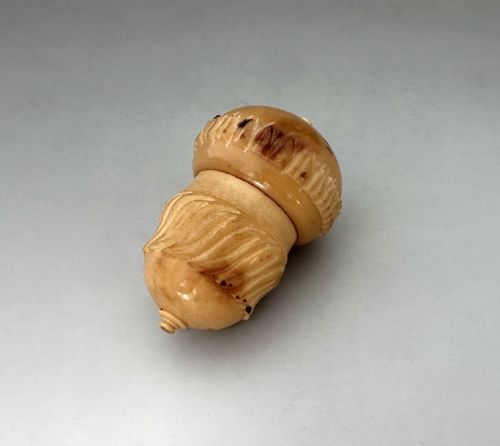
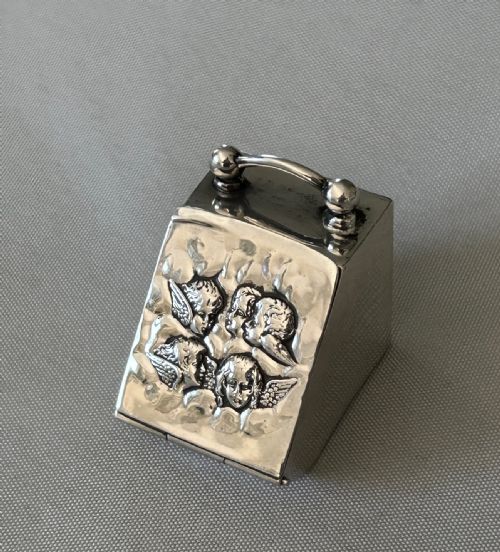
An antique silver thimble case is a protective container designed to hold a sewing thimble securely when not in use. These small objects appear in various forms, including fitted chatelaine holders, novelty buckets, coal scuttles, and egg-shaped holders.
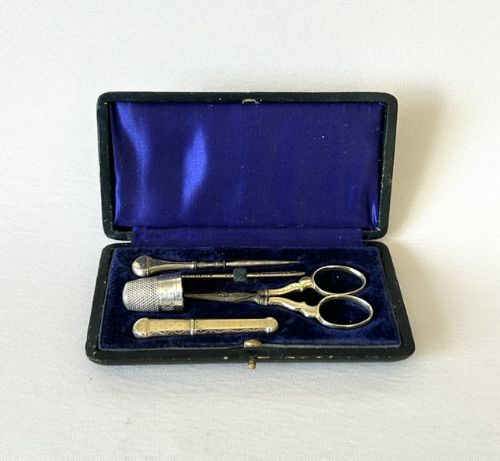
The versions most commonly met on this page date from the Victorian and Edwardian periods, alongside nineteenth-century French examples. They frequently form part of broader sewing kits, etuis, or chatelaine sets alongside needles and scissors.
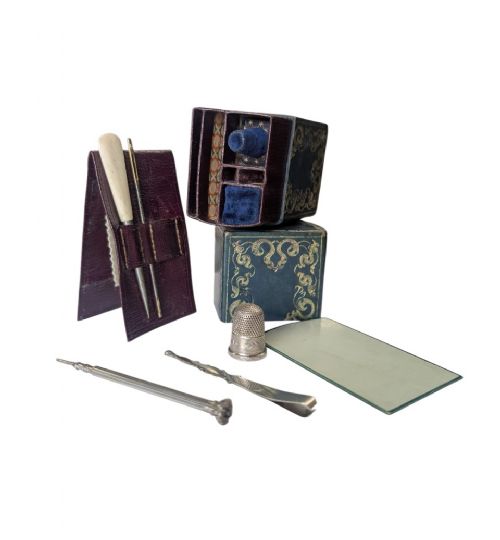
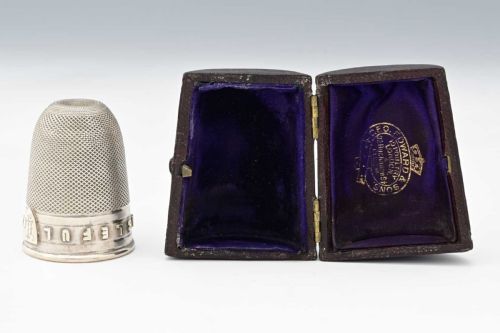
Materials extend beyond plain metal to incorporate sterling silver, silver gilt, ormolu, leather, velvet, bone, corozo nut, and tortoiseshell. Certain pieces take playful novelty shapes, such as miniature tumblers bearing the inscription just a thimbleful.
How they were made
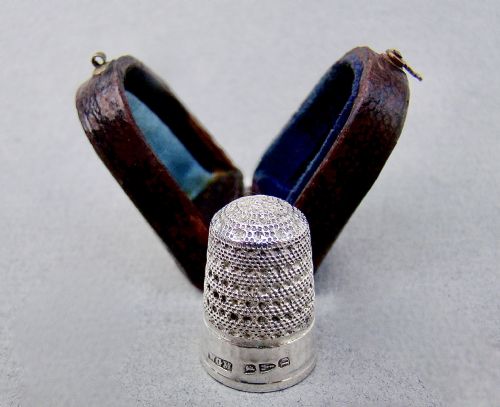
Silversmiths shaped sterling silver and silver gilt through stamping, embossing, and piercing to create rigid protective shells. Interiors were often lined with velvet or silk to cushion the delicate thimbles stored within them.
Alternative organic materials such as bone, corozo nut, and tortoiseshell were carved and polished to form sturdy body panels, sometimes mounted with metal clasps and hinges. Ormolu mountings and stone-set details added decorative contrast to French chatelaine cases.
Listings feature sterling silver, silver gilt, ormolu, velvet, leather, bone, corozo nut, and tortoiseshell across Victorian and Edwardian periods.
What varies in quality
Quality rests upon the crispness of the metalwork embossing, the structural integrity of hinges and clasps, and the preservation of interior linings. Maker marks and clear hallmarks contribute significantly to the standing of a piece.
Novelty forms demonstrate varying degrees of sculptural ambition, ranging from simple geometric containers to detailed miniature buckets and coal scuttles. The integration of auxiliary items, such as matched thimbles or complete sewing kits, elevates the overall execution.
William Comyns & Sons·Walter & George Myers·Charles Horner·Laurence Emanuel·Asprey
The Antique Silver Thimble Case Glossary
- Chatelaine
- A decorative belt hook worn with suspended chains carrying everyday household accessories. Sewing tools and thimble cases were frequently hung from these waist fittings.
- Etui
- A small ornamental box or case used for holding needles, cosmetics, or other small implements. These fitted compartments kept delicate sewing equipment organised and safe.
- Silver Gilt
- Silver that has been coated with a thin layer of gold on its surface. This technique provided a rich golden appearance while utilising a silver base.
- Ormolu
- Gilded bronze or brass applied to decorative objects and mountings. French makers frequently utilised this material for ornate chatelaine cases.
- Corozo Nut
- The large seed of the tagua palm, often carved as an ivory substitute. It provided a dense, durable material for small nineteenth-century containers.
Antique Silver Thimble Case: Frequently Asked Questions
How were thimble cases used?
Thimble cases were utilised to keep delicate sewing thimbles clean and secure when not actively in use for needlework. Many were suspended from chatelaine belts alongside scissors and needle cases for easy access during sewing.
Others formed part of fitted travelling sewing kits and compendiums designed for domestic or portable craft work.
How do I date an antique thimble case?
Dating relies primarily on assay office hallmarks stamped into the silver, which record the exact year of manufacture. Stylistic indicators, such as Victorian embossing or Edwardian proportions, offer additional chronological context.
Associated materials like tortoiseshell, corozo nut, and ormolu mounts also point toward specific nineteenth-century manufacturing traditions.
Are thimble cases rare?
Survival rates vary depending on the material and how heavily the sewing accessories were used. Sterling silver and fitted chatelaine examples survive in steady numbers due to the durability of the metal.
Novelty items and organic materials like tortoiseshell or bone appear less frequently, reflecting their specialised production periods.