




Antique Silver Table Settings
Antique silver table settings bring formal dining history to life with solid silver and silver plate.
Antique Silver Table Settings
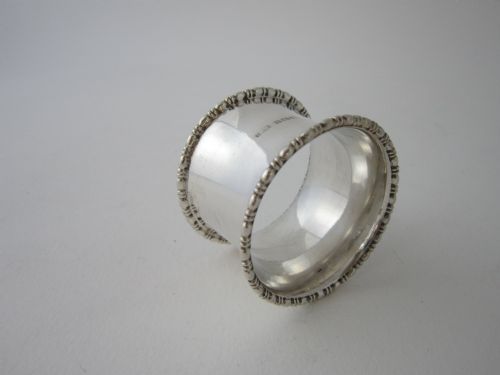
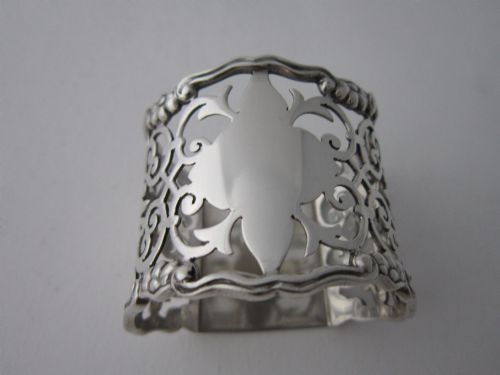
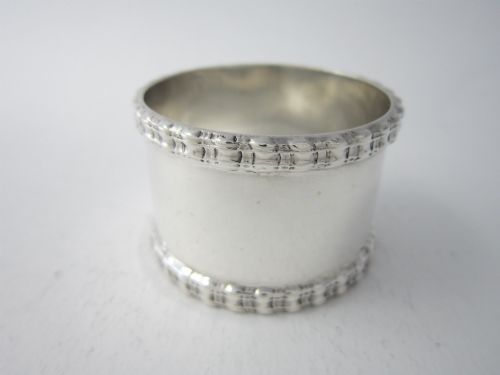
When you search for antique silver table settings, you encounter individual table accessories designed for formal dining. These pieces include napkin rings, menu holders, knife rests, cutlery, and table forks.
The items span several decades and centuries, ranging from George III examples to Edwardian, George V, and Art Deco periods. Sets often appear boxed, sometimes featuring fitted cases lined with velvet, silk, or leatherette.
Edwardian and George V sterling silver napkin rings appear frequently alongside silver-plated sets. Pieces also incorporate decorative elements such as mother of pearl, enamel, and Scottish influenced designs.
How they were made
Silversmiths utilised sterling silver and silver plate as the primary structural materials for these table accessories. Production methods involved shaping metal into durable forms suitable for regular dining use.
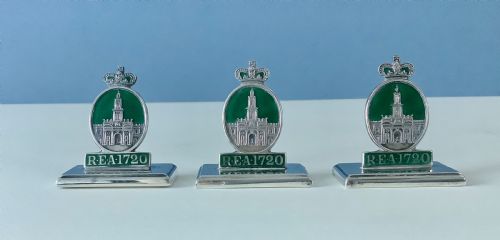
Craftsmen integrated supplementary materials such as mother of pearl for knife rest blades and applied guilloche enamel to silver gilt surfaces. Fitted presentation cases utilised leather, leatherette, velvet, and silk linings.
Alice steps onto the dining table through novelty menu holders that bring Wonderland charm straight to the dinner service.
What varies in quality
Quality separates standard production items from finer workshop pieces through the crispness of applied decoration and the weight of the silver used. Substantial gauge metal and detailed hand-finishing elevate individual items above basic plated wares.
The inclusion of specialist techniques like guilloche enamel or distinct thematic designs, such as literary motifs or regional revival styles, distinguishes superior examples within a set.
David Andersen
The Antique Silver Table Settings Glossary
- Sterling silver
- A standard of silver containing 925 parts pure silver per thousand. This alloy provides the durable foundation for traditional dining accessories.
- Silver plate
- A base metal coated with a thin layer of silver. This technique offered an accessible alternative to solid silver table settings.
- Guilloche enamel
- A decorative technique where translucent enamel is layered over precisely engraved metal. This adds rich colour and patterned depth to the surface.
- Hanoverian pattern
- A traditional style of cutlery featuring a distinct upturned terminal and a central ridge along the handle. It originated in the early eighteenth century.
Antique Silver Table Settings: Frequently Asked Questions
What is included in antique silver table settings?
These settings comprise functional items used to dress a formal dining table. The category covers napkin rings, menu holders, knife rests, and table forks.
Items often appear individually or in matched sets, sometimes housed in original fitted presentation boxes lined with velvet or silk.
How do I date silver table settings?
Dating relies on hallmarks stamped into the metal, stylistic indicators, and accompanying case designs. Edwardian, George V, and Georgian periods each display distinct decorative traits.
Design motifs such as Art Deco geometric lines or Scottish revival elements provide further clues to the decade of manufacture.
Are silver-plated items considered antiques?
Silver plate from the Edwardian era and earlier qualifies as antique based on age. Plated items were widely produced alongside solid sterling silver pieces for dining use.
Both solid silver and plated versions reflect the formal table setting traditions of their respective periods.
How were menu holders used?
Menu holders displayed printed food courses on the dining table for guests to read. They held cards upright near individual places or along the centre of the table.
Craftsmen often shaped them into decorative subjects, including literary characters and regional designs, combining utility with conversation-starting aesthetics.