




Antique Silver Sword Stick
An antique silver sword stick combines a gentleman's walking support with a concealed blade, offering a discreet historical accessory for personal defence.
Antique Silver Sword Stick
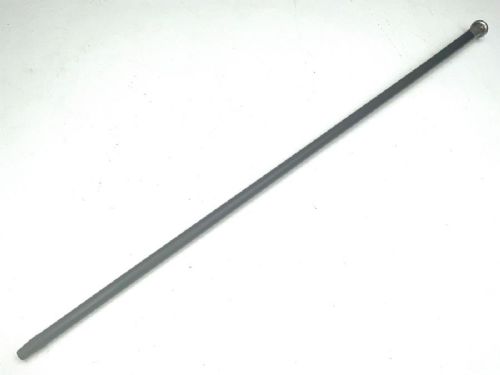
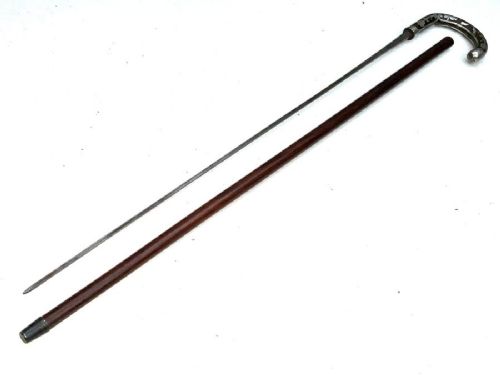
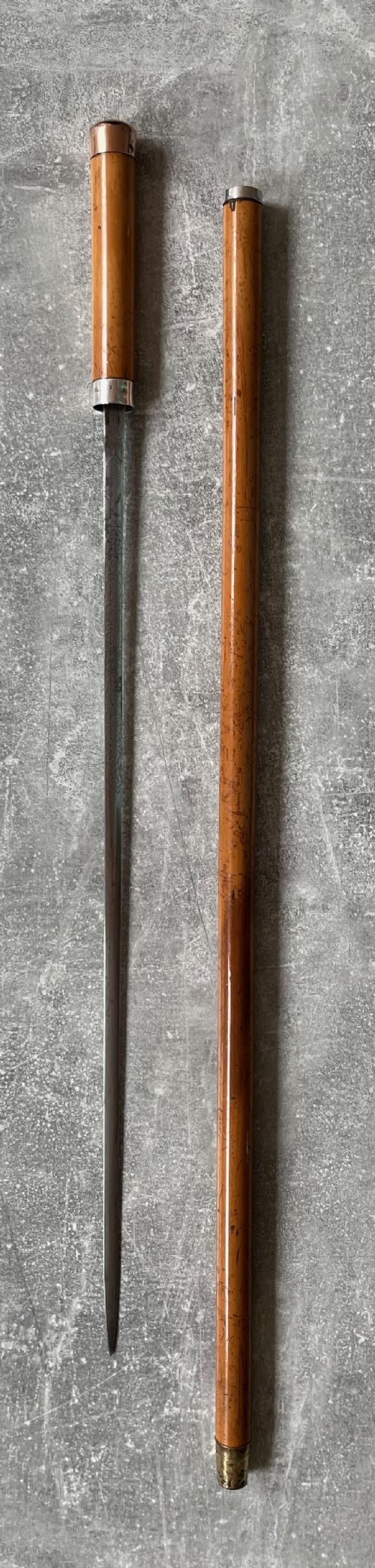
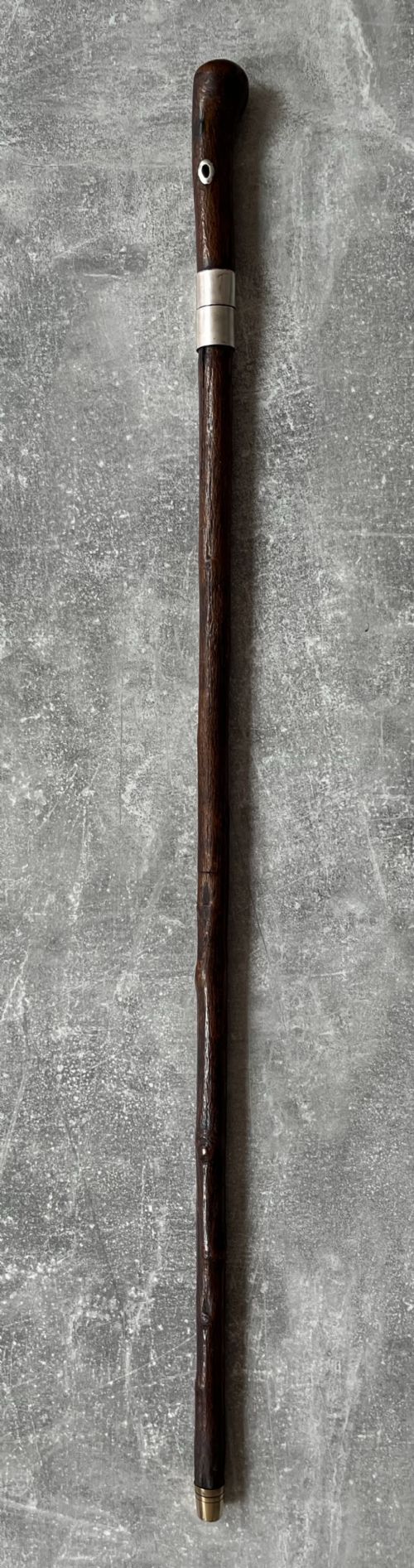
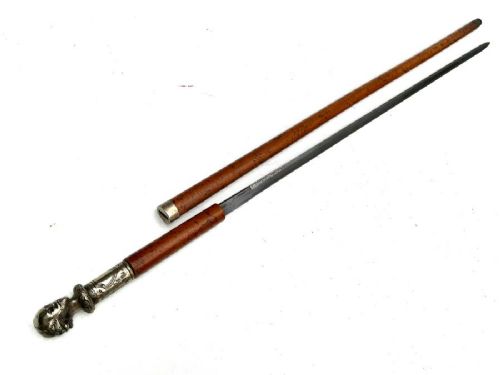
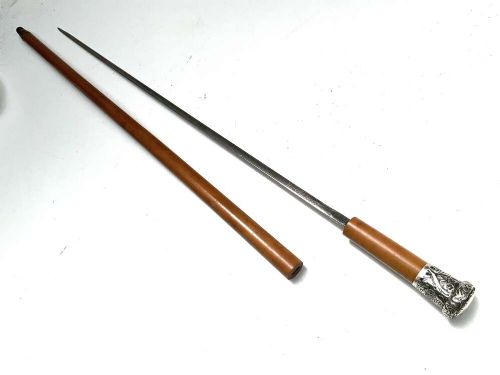
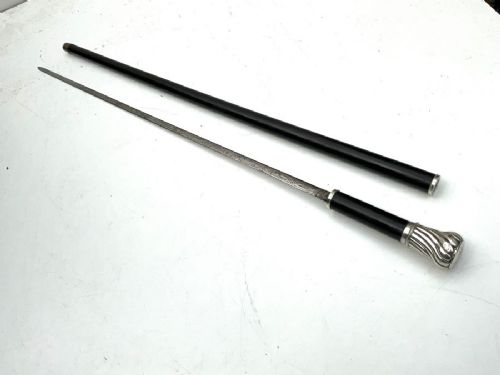
An antique silver sword stick functions as a dual-purpose object, housing a hidden steel blade within a wooden or cane shaft topped with silver mounts. You will frequently encounter examples from the Victorian and Edwardian eras, spanning the late nineteenth and early twentieth centuries, fashioned from materials like malacca, bamboo, and ebonised wood.
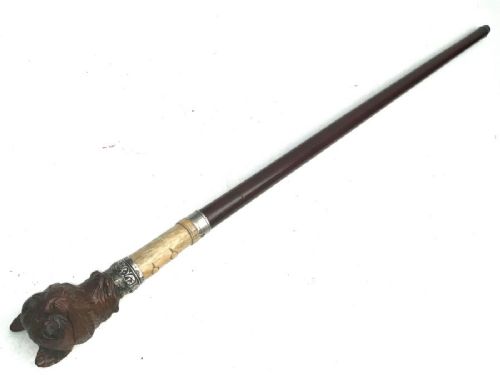
These pieces served as gentleman's accessories for urban walking or formal presentation, often finished with decorative handles shaped like horses' heads, crooks, or plain silver knops. The configuration pairs a functional walking cane with a concealed locking mechanism that secures the internal blade safely inside the shaft until needed.
Materials and construction methods
Craftsmen utilised natural timbers such as malacca cane, hazel, bamboo, and rosewood for the exterior shafts, frequently pairing them with forged steel blades sourced from notable makers. Silver collars, repousse caps, and metal mounts provide structural reinforcement where the handle joins the main body.
The internal blades often received specialised engraving or manufacturer etching, while handles incorporated horn, bone, leather, or cast metal moulded into distinct figural shapes. Each stick required precise carpentry to hollow the shaft and ensure the blade slid smoothly without rattling during transit.
Assessing craftsmanship and execution
The distinction between standard walking aids and superior pieces rests in the quality of the blade steel and the precision of the locking mechanism. High-grade examples feature branded maker blades, hallmarked silver mounts, and tight joints that leave no visible gap when the stick is closed.
Artistry in the handle carving, whether an antler knop or a silver horse's head, elevates the piece from a basic utility item to a refined gentleman's accessory. Original matching components and unblemished silver repousse work distinguish better-preserved specimens from those with replaced handles or altered shafts.
Brigg·Wilkinson
The Antique Silver Sword Stick Glossary
- Knop
- The rounded or decorative handle at the top of a walking stick or sword stick. It provides a comfortable grip for the user's hand.
- Collar
- The metal band, often silver, fitted around the shaft directly beneath the handle. This component strengthens the wood and frequently bears assay hallmarks.
- Malacca cane
- A resilient Oriental rattan prized for its mottled brown finish and flexibility. It remains one of the most popular materials for sword stick shafts.
- Repousse
- A metalworking technique where the silver surface is hammered from the reverse side to form raised decorative patterns. It appears frequently on Victorian silver mounts.
- Swagger stick
- A short, light cane carried by military officers as a symbol of authority. These occasionally house concealed blades or daggers.
Antique Silver Sword Stick: Frequently Asked Questions
What is an antique silver sword stick?
An antique silver sword stick is a walking cane fitted with a concealed steel blade and decorated with silver mounts. They functioned as personal protection and fashion accessories for gentlemen during the nineteenth and early twentieth centuries.
These items range from simple wooden shafts with plain silver collars to elaborate pieces featuring carved horn handles and engraved blades. The internal blade locks securely into the cane body until released by the user.
How do you open a sword stick?
Most sword sticks utilise a screw mechanism, a push-button release, or a simple friction fit to secure the handle to the shaft. Twisting or pulling the handle disengages the internal catch, allowing the steel blade to slide smoothly outward.
Users should handle these mechanisms with care to preserve the original wooden housing and avoid damaging the locking pin inside. Regular gentle maintenance keeps the internal channel clear of dust and debris.
How are periods and origins identified?
Makers often stamped hallmarks onto the silver collars, revealing the assay office location and the exact year of production in London or other cities. Stylistic clues, such as military unit inscriptions or specific wood choices like malacca and ebonised timber, also point to Victorian or Edwardian timelines.
Examining the forging style of the steel blade helps verify the era of manufacture. Comparing these elements with documented archive pieces confirms the historical context.
How should sword sticks be displayed?
Sword sticks display effectively in wall-mounted racks or vertical umbrella stands that support the weight of the shaft safely. Keeping them out of direct sunlight and away from damp conditions preserves the integrity of the wood and silver mounts.
Displaying them closed prevents accidental exposure of the steel blade and protects the locking mechanism from wear. Proper placement ensures these historical items remain stable and secure in a room.