




Antique Silver Souvenir
These antique silver souvenir pieces record travels, royal events and historic sites through small spoons, bookmarks, and boxes.
Antique Silver Souvenir
An antique silver souvenir comprises small portable items purchased to mark journeys, royal jubilees, or historic visits during the nineteenth and twentieth centuries. Buyers seeking an antique silver souvenir most often encounter souvenir spoons, bookmarks, and matchbox covers originating from the Victorian, Edwardian, and Art Deco periods.
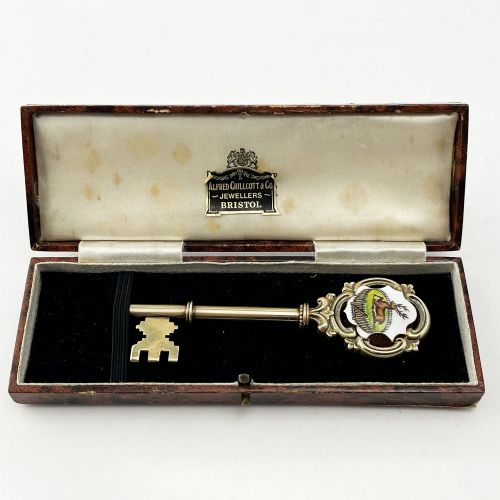
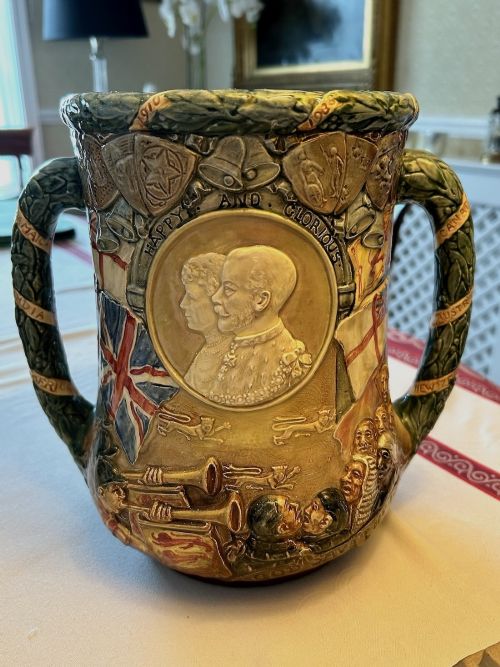
Makers produced these objects in diverse forms, including enamel keys, lava stone jewellery, and commemorative ceramics. The items capture specific places and events, ranging from Grand Tour destinations to British royal jubilees and international exhibitions.
Materials and construction
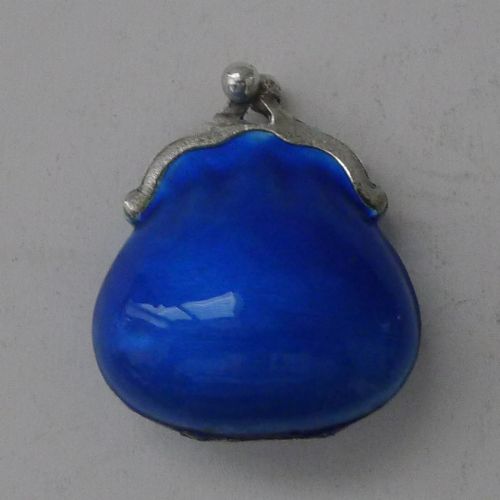
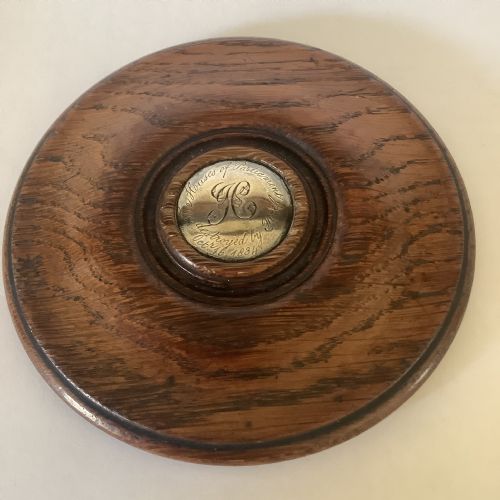
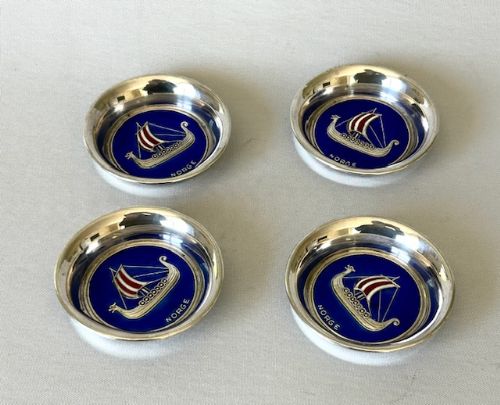
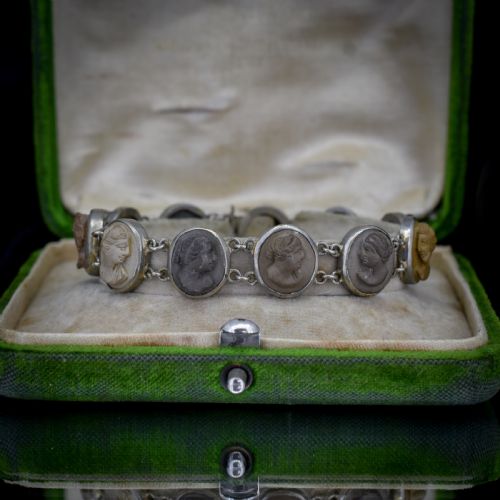
Silversmiths utilised sterling silver and silver gilt, frequently combining the metal with colourful enamel to highlight pictorial views on spoons and badges. They mounted carved lava stone into silver for bracelets and brooches, while other pieces incorporated wood, velvet, and leatherette.
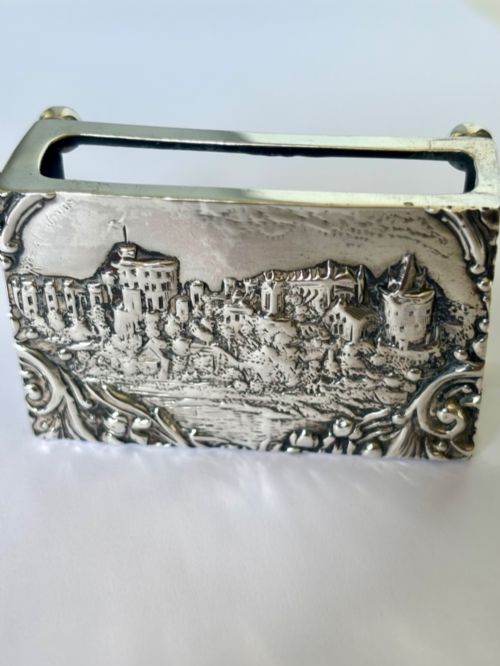
Makers applied techniques such as repousse work, casting, and silver inlay on items like matchbox covers, spoons, and chargers. These methods allowed workshops to produce detailed heraldic crests, portraits, and architectural motifs on small portable objects.
Antique Silver Souvenir Retail Price Guide 2026
Typical asking prices for silver souvenir among the pieces listed under this phrase on Sellingantiques today, from the lower quarter to the upper quarter. They describe what is for sale here now, not the wider market.
Listings feature items from the nineteenth century up to the 1930s, using silver, enamel, lava stone, and oak.
What separates the fine examples
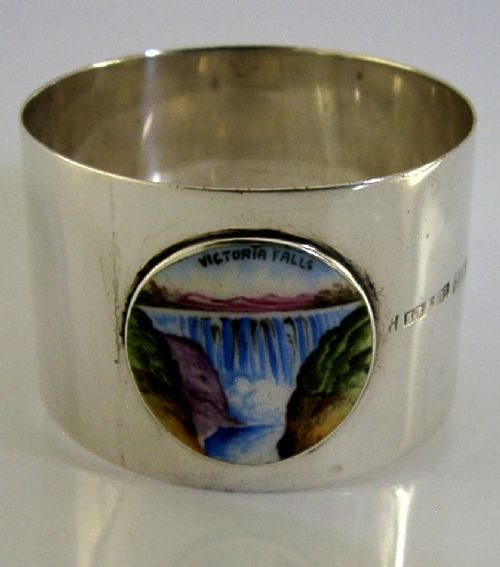
Quality rests on the crispness of the casting and the precision of any enamel work. Pieces featuring hand-applied enamel picturing specific locations or detailed repousse decoration stand apart from plain production items.
The degree of preservation in fragile elements like enamel panels or lava stone carvings dictates the standing of a piece. Original fitted boxes and clear hallmarks indicating specific dates and makers elevate individual examples.
Berthold Herman Muller·Frederic Boucheron
The Antique Silver Souvenir Glossary
- Repousse
- Metalwork shaped by hammering from the reverse side to form a raised design on the front. This technique appears on decorative spoons and matchbox covers.
- Silver gilt
- Silver covered with a thin layer of gold, also known as vermeil. It provides a rich golden surface while retaining a silver base.
- Castle top
- A style of silver piece featuring a detailed high-relief engraving of a specific building or castle on the surface. This term frequently describes matchbox covers and card cases.
- Grand Tour
- A traditional trip of Europe undertaken by upper-class young men and tourists for education and pleasure. Souvenirs from these journeys include lava cameos and silvered bronze items.
- Enamel
- A glassy substance fused to metal through firing to provide decorative colour. It appears frequently on souvenir spoons and commemorative keys.
Antique Silver Souvenir: Frequently Asked Questions
What are antique silver souvenirs?
These items are small objects made of silver and other materials to commemorate travels, royal events, or specific locations. They include spoons, bookmarks, boxes, and pins.
Collectors prize them for their miniature detail and direct connection to nineteenth and twentieth-century social history.
How were souvenir spoons used?
Souvenir spoons served primarily as display pieces rather than everyday cutlery. Travellers collected them to record visits to foreign towns, countries, and exhibitions.
Many feature enamel picture bowls depicting local scenes or heraldic crests associated with the destination.
How do I date an antique silver piece?
Dating relies on hallmarks stamped into the metal, stylistic cues, and specific commemorative inscriptions. Items often reference jubilees, exhibitions, or historical events with known years.
Periods span from the nineteenth century through the Edwardian era and the 1930s Art Deco movement.
How should I care for silver and enamel?
Clean silver gently with a soft cloth to avoid damaging delicate enamel panels or gilt surfaces. Keep pieces away from moisture and harsh chemical polishes.
Store items in dry conditions, particularly those containing organic materials like velvet, leatherette, or lava stone.