


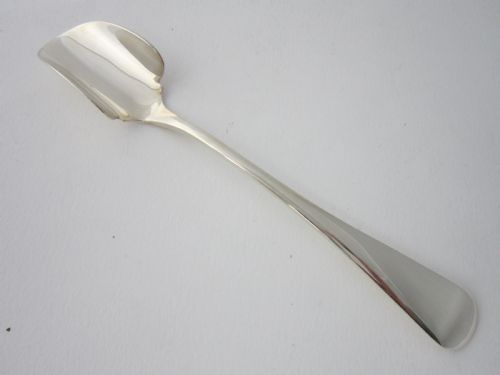


Antique Silver Serving Scoop
An antique silver serving scoop brings heavy metal and practical utility to the table, offering a glimpse into formal dining customs from the Georgian era onwards.
Antique Silver Serving Scoop
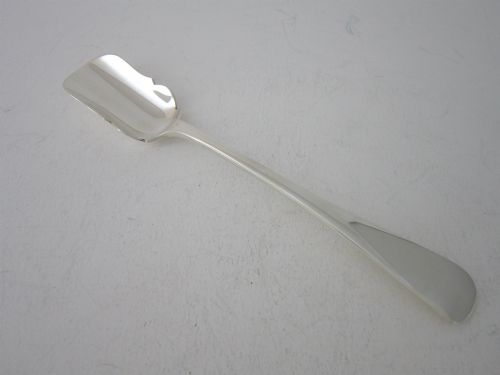
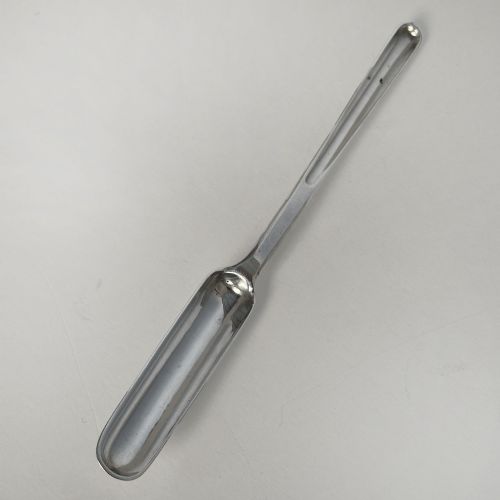
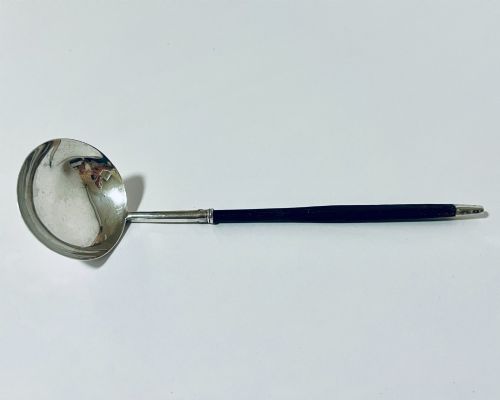
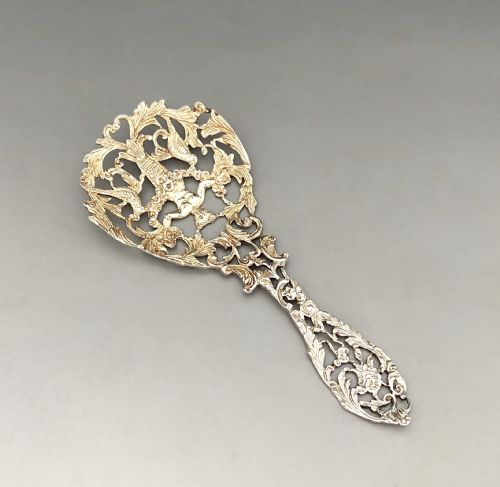
An antique silver serving scoop encompasses specialised utensils designed for the table, including cheese and stilton scoops, marrow scoops, sardine servers, punch ladles, bonbon spoons, and ice cream servers. These pieces cross various historical periods such as the Georgian, Victorian, William IV, Edwardian, and George V eras, alongside French Restoration and Dutch items.
The most common forms encountered on this page are dedicated cheese and stilton scoops, often paired with handles of wood, bone, or mother of pearl. Alongside these, traditional punch ladles and marrow scoops represent the breadth of silver flatware and serveware produced across the nineteenth and early twentieth centuries.
How they were made
Silversmiths forged these pieces predominantly from sterling silver and standard silver, shaping bowls through hammering and casting. Handles were frequently fashioned separately from organic materials such as bone, wood, and mother of pearl, then secured to the silver shanks with pins or ferrules.
Makers utilised techniques like hand-chasing, piercing, and casting to decorate bowls and handles, particularly evident in Victorian bonbon spoons and French sardine servers. Assay office marks were stamped directly into the metal to certify the silver standard and year of production.
Antique Silver Serving Scoop Retail Price Guide 2026
Typical asking prices for silver serving scoop among the pieces listed under this phrase on Sellingantiques today, from the lower quarter to the upper quarter. They describe what is for sale here now, not the wider market.
Materials recorded across the inventory combine sterling silver and standard silver with organic handle additions like bone and mother of pearl.
What varies in quality
The distinction between standard utility items and finer examples rests upon the crispness of cast decoration and the integrity of the join between the silver bowl and its handle. Pieces featuring cast ornamentation, such as floral motifs on bonbon spoons or detailed stems on stilton scoops, display superior craftsmanship compared to plain utilitarian versions.
Material selection for the handle also marks a difference in grade, with well-matched, highly figured mother of pearl or polished turned wood elevating the overall presence of the utensil. The clarity and completeness of hallmarks further influence the standing of an individual piece.
William Comyns·Jonathan Hayne
The Antique Silver Serving Scoop Glossary
- Marrow scoop
- A double-ended silver implement with one narrow trough and one wider trough, used historically for extracting bone marrow at the dining table. They frequently date from the Georgian and nineteenth-century periods.
- Punch ladle
- A large serving utensil with a deep bowl and an elongated handle, intended for serving mixed drinks from a punch bowl. Many examples from this category showcase early Georgian or Irish workmanship.
- Hallmark
- A series of official marks stamped onto silver objects to guarantee the metal standard, the place of assay, and the year of manufacture. These symbols are essential for dating and authenticating antique silverware.
- Sterling silver
- A silver alloy containing a specific high proportion of pure silver by mass, traditionally marked with a lion passant in British assay offices. It forms the primary material for the majority of these serving utensils.
Antique Silver Serving Scoop: Frequently Asked Questions
What is an antique silver serving scoop used for?
These specialised utensils were created for specific dining tasks, such as tunneling into hard cheeses, transferring marrow, or lifting delicate items like sardines and bonbons. Their forms directly reflect the elaborate dining rituals of past centuries.
While some were strictly functional tableware, others served decorative roles during formal gatherings, bridging the gap between utilitarian cutlery and fine serveware.
How do I care for silver with bone or pearl handles?
Organic handle materials like bone, wood, and mother of pearl require gentle hand washing rather than immersion in water or placement in a dishwasher. Keeping them dry prevents the natural materials from warping or separating from the metal shank.
Regular, cautious polishing of the silver sections maintains the finish without applying abrasive compounds directly to the delicate handle joins.
How can I tell the period of a scoop?
The presence of specific hallmarking stamps usually provides the most accurate method for dating British pieces, linking them directly to particular assay offices and years. Stylistic clues, such as the heavy proportions of William IV designs or the refined detailing of Edwardian work, offer additional context.
Handle materials and manufacturing techniques also shift across decades, helping to separate Georgian items from later Victorian and twentieth-century productions.
Why do some scoops have bone or wood handles?
Organic materials offered a comfortable grip and a contrasting texture against polished metal, making them popular choices for cheese scoops and serving utensils. These materials remained practical for items that required steady pressure during use at the table.
Craftsmen selected wood, bone, and mother of pearl to complement the visual weight of the silver bowls while providing a tactile element for the user.