



Antique Silver Scent Vial
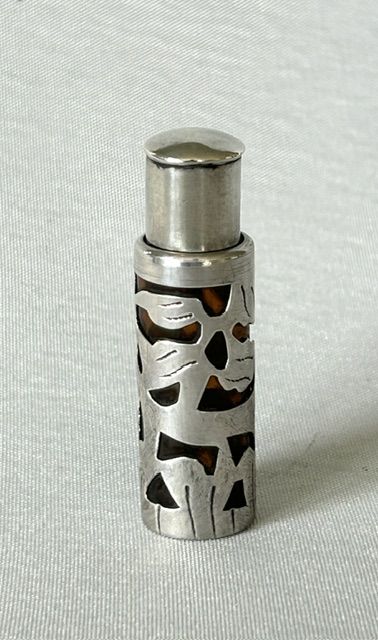
These antique silver scent vials span the seventeenth to the twentieth century, offering pocket-sized vessels of glass and precious metal.
Antique Silver Scent Vial
When you search for an antique silver scent vial, you are looking at small personal containers designed to hold perfumes, smelling salts, or medicines. The examples found here range from pocket flasks to vanity bottles, crossing styles from the Georgian era through to Art Nouveau and Art Deco. Victorian pieces appear most frequently, often pairing silver mountings with coloured glass bodies.
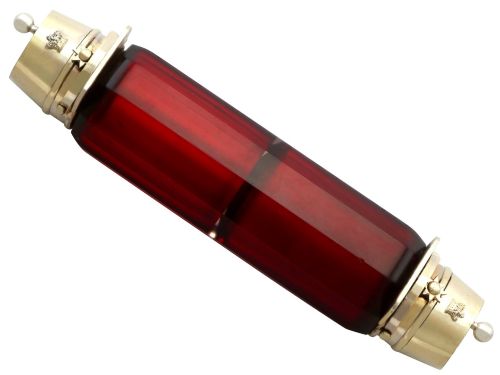
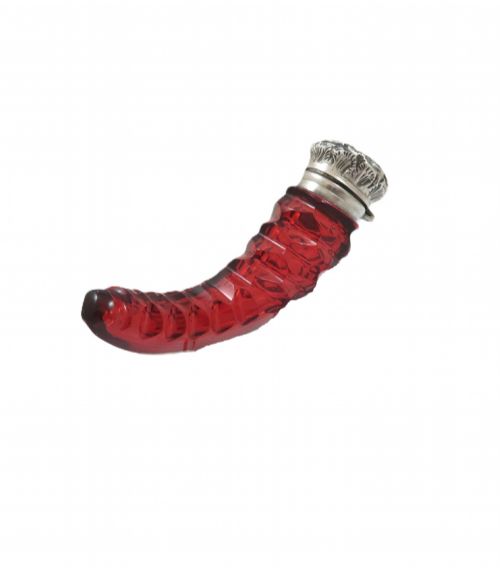
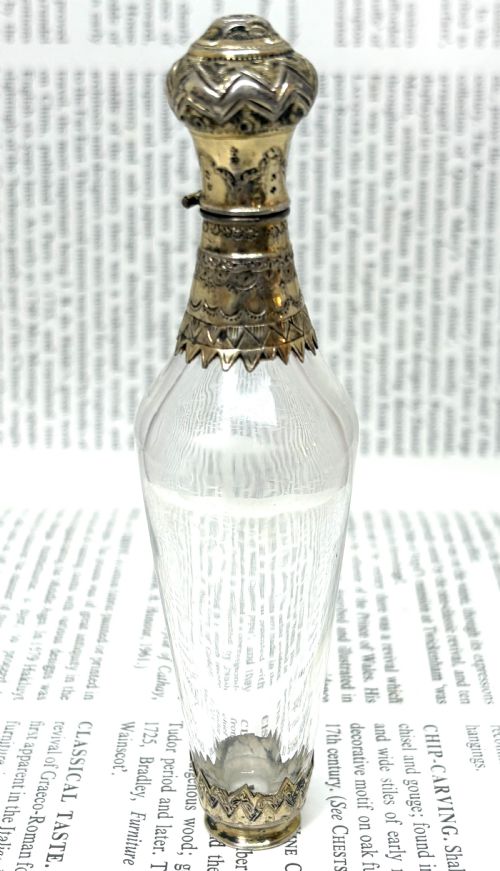
Makers utilised various forms, including double-ended vessels, icicle shapes, and flattened flasks designed to slip easily into a pocket or reticule. Continental and English workshops produced these items, sometimes combining silver gilt with ruby, cranberry, teal, or amethyst glass. Each piece reflects the social habits of an era when portable fragrance was an everyday necessity.
What varies in quality
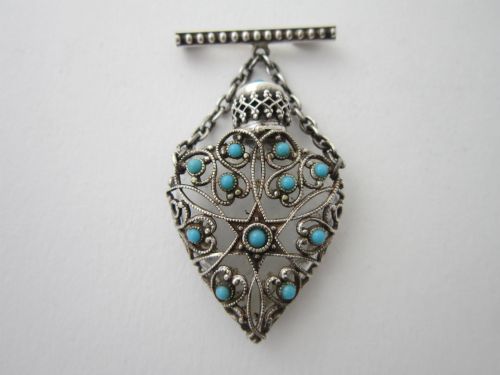
Quality in these scent vessels rests upon the crispness of the silver engraving and the weight of the metal used in the mountings. Finer specimens display detailed hand-chased ornamentation, coronet engravings, or delicate enamel work rather than plain, thin sheet metal.
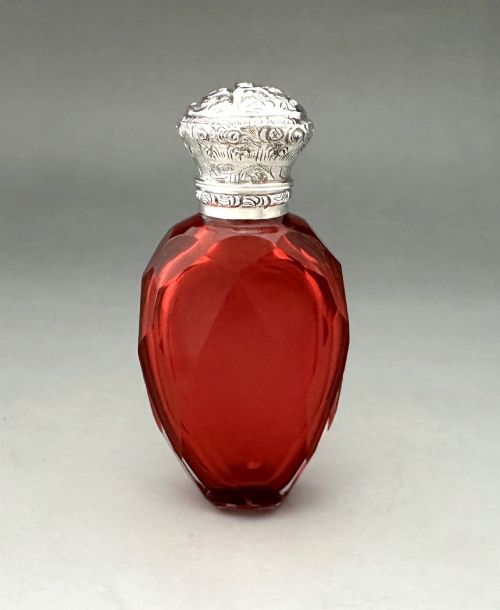
The standard of the glass body also dictates overall quality, with heavy cut glass, deep-toned cranberry or amethyst hues, and intricate slice-cutting marking out superior items. Intact original stoppers and securely closing hinged caps further separate standard utility pieces from exceptional collector examples.
Tonnel Paris
The Antique Silver Scent Vial Glossary
- Silver Gilt
- Silver that has been coated with a thin layer of gold on its surface. This technique provided the rich appearance of solid gold while utilising a silver base.
- Double Ended
- A scent bottle featuring two separate compartments accessed from opposite ends. These typically allowed the owner to carry two different perfumes or a fragrance alongside smelling salts.
- Slice-Cut
- A glass-cutting technique characterised by broad, flat, polished planes. It created geometric facets that caught the light and revealed the colour of the glass beneath.
- Cranberry Glass
- A rich pinkish-red glass produced by adding gold chloride to the molten batch. It became a defining material for Victorian scent and vanity bottles.
Antique Silver Scent Vial: Frequently Asked Questions
What did people put inside these scent vials?
Owners filled these small vessels with liquid perfumes, essential oils, or pungent smelling salts. They served as a personal deodoriser in crowded or unsanitary public spaces.
Strong vinegars were also common, used to revive someone feeling faint from tight corsetry or close air.
How do I date a silver scent bottle?
Dating relies heavily on hallmarks stamped into the silver mounts, which indicate the assay office and year of production. Stylistic clues such as Art Nouveau curves or Victorian slice-cutting also point to specific decades.
Unmarked Continental pieces require stylistic comparison with known French and European manufacturing periods.
Are original stoppers important?
Original glass or cork stoppers significantly contribute to the completeness and desirability of any scent bottle. Many historical bottles lost their inner stoppers through daily use over the centuries.
Their presence ensures the vessel remains historically intact, though many collectors still prize pieces with unusual exterior mounts alone.
Why do some bottles have two caps?
Dual caps indicate a double-ended design, which housed two distinct substances within a single glass or metal tube. One end might hold a floral perfume while the other contained medicinal salts.
This configuration suited travellers and society figures who required multiple options in a single compact accessory.