



Antique Silver Salad Set
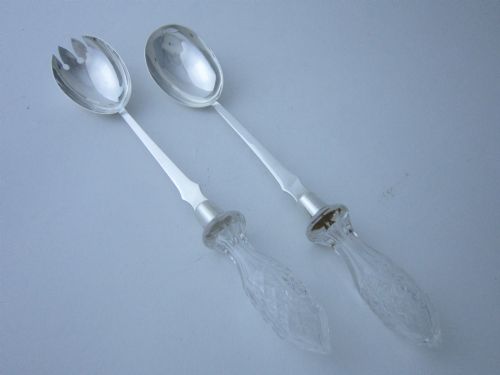
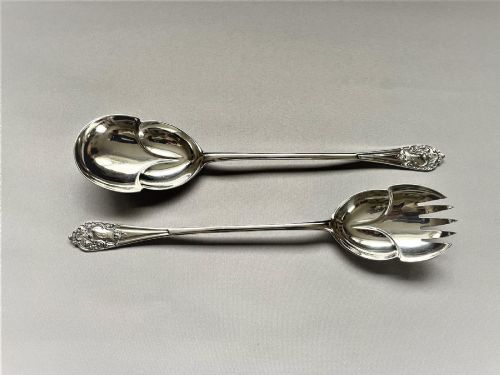
These antique silver salad set pieces bring nineteenth and early twentieth century dining tables to life with solid metal and glass.
Antique Silver Salad Set
An antique silver salad set comprises serving forks and spoons alongside bowls fashioned from crystal, ceramic, stoneware, or carved oak. When you search for an antique silver salad set, you encounter serving utensils paired with receptacles dating from the George III period through the Edwardian era.
The most common configurations on this page pair sterling silver or silver plate servers with glass bowls, majolica ceramics, or oak mountings. Utensils range from plain rat tail designs to French horn sets fitted with metal mounts.
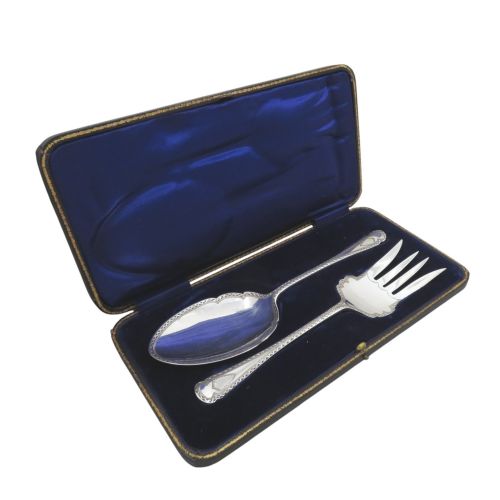
Complete ensembles often arrive in fitted velvet or leatherette cases, preserved alongside the bowls they were originally sold with.
Materials and construction
Makers utilised sterling silver and silver plate for the serving cutlery, shaping metal handles and bowls alongside organic materials such as animal horn and polished oak. Stoneware and ceramic components, including Doulton Lambeth bodies, demonstrate specialist throwing and glazing techniques.
Cutlery handles and bowls often feature structural reinforcements like rat tail joints, while wooden and ceramic vessels incorporate silver rims and mounts secured by traditional fittings.
Antique Silver Salad Set Retail Price Guide 2026
Typical asking prices for silver salad set among the pieces listed under this phrase on Sellingantiques today, from the lower quarter to the upper quarter. They describe what is for sale here now, not the wider market.
Some nineteenth century sets include natural horn, proving that Victorian diners liked their salad greens served with a touch of the wild.
Judgements of quality
Quality rests upon the weight of the silver, the clarity of the crystal or ceramic body, and the presence of original fitted cases. Sets featuring identified makers such as Frank Butler display superior artistic execution in both the ceramic bowls and the accompanying metalwork.
The integration between organic elements like horn or oak and the metal mounts indicates the standard of craftsmanship, with tighter joins and heavier gauges distinguishing the finer items.
Frank Butler·Doulton Lambeth
The Antique Silver Salad Set Glossary
- Rat tail
- A strengthening tongue of metal extending down the back of a spoon bowl from the handle. This traditional feature provides additional structural support to serving cutlery.
- Majolica
- A type of earthenware glazed with opaque tin enamel and decorated with coloured metal oxides. It appears frequently on nineteenth century salad bowls.
- Sterling silver
- An alloy consisting of ninety-two point five percent silver by mass, with the remainder being other metals usually copper. It represents the standard material for fine British serving sets.
- Silver plate
- A layer of silver applied to a base metal core such as copper or nickel brass. This technique offered a more affordable alternative to solid sterling silver.
Antique Silver Salad Set: Frequently Asked Questions
How do I clean antique silver servers?
Wash silver utensils gently in warm soapy water using a soft cloth, avoiding harsh abrasive dips that strip away the original patina. Dry them thoroughly immediately after cleaning to prevent water spots.
Keep wooden components and leatherette cases away from excessive moisture during the cleaning process to preserve their historic finishes.
Were these sets used daily?
Many of these pieces served dining rooms during formal Victorian and Edwardian meals, handling greens and dressings. Sturdy oak bowls and heavy metal servers were built to withstand regular domestic use.
Fitted cases suggest that finer sterling sets were also stored carefully between special occasions and seasonal banquets.
How do I date an Edwardian set?
Look for hallmarks stamped directly onto the silver components, which indicate the assay office and the specific year of assay. Edwardian pieces generally date from nineteen hundred to nineteen ten.
Stylistic cues such as Arts and Crafts influences or specific ceramic bodies also help narrow down the period of manufacture.
Can I use these for modern dining?
Solid silver and glass elements function well for serving modern meals, provided you wash them by hand rather than placing them in a dishwasher. Stoneware and ceramic bowls hold dressings safely without absorbing stains.
Careful handling ensures these historic utensils continue to serve food at the modern table.