



Antique Silver Rim Pitcher
An antique silver rim pitcher brings together glass, stoneware and metal in serving vessels from the Georgian, Victorian and Edwardian periods.
Antique Silver Rim Pitcher
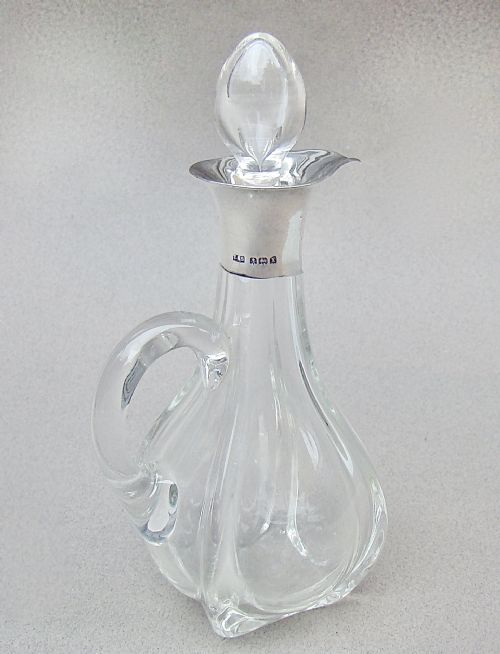
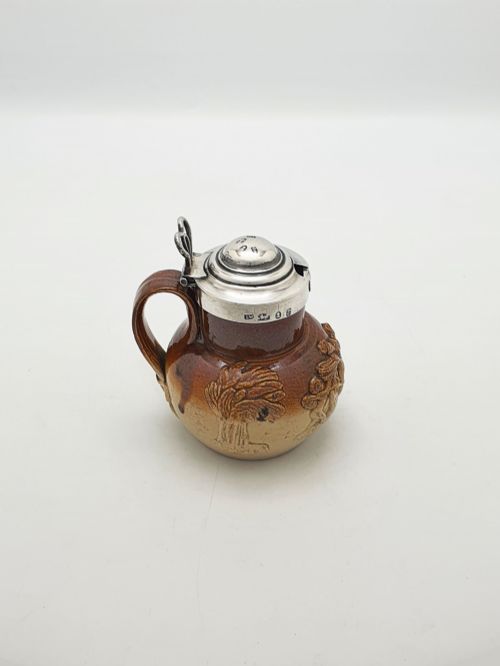
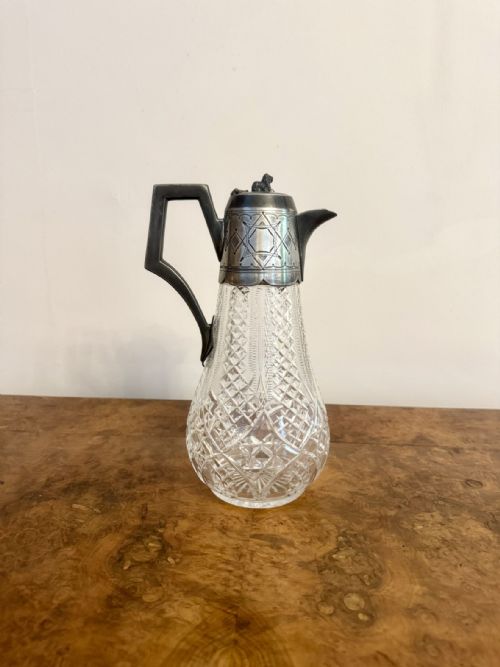
An antique silver rim pitcher takes several forms, including claret jugs, water jugs, lemonade or Pimms jugs, tankards, harvest jugs and cocktail shakers. The selection spans the Georgian, Victorian, Edwardian and Art Deco eras, ranging from eighteen-hundred stoneware up to nineteen-thirty enamelled glass.
The most common versions met here pair a glass or stoneware body with a sterling silver or silver plated collar, rim, handle or hinged lid. Makers utilise clear cut glass, ribbed glass, stoneware and lead glaze alongside precious metals to form serving vessels.
How they were made
Bodies are formed from heavy stoneware or blown and cut glass, sometimes ribbed or enamelled, providing a robust vessel for liquids. Makers then mount these containers with collars, rims and hinged lids in sterling silver or silver plate.
Metal components are secured firmly to the ceramic or glass bodies, frequently incorporating handle mounts and spouts designed for pouring wine, water or cocktails.
Antique Silver Rim Pitcher Retail Price Guide 2026
Typical asking prices for silver rim pitcher among the pieces listed under this phrase on Sellingantiques today, from the lower quarter to the upper quarter. They describe what is for sale here now, not the wider market.
The selection includes pieces spanning from eighteen-hundred Georgian stoneware to nineteen-thirty Art Deco glassware.
What varies in quality
Quality rests upon the weight and clarity of the glass or the depth of the stoneware glaze, balanced against the substance of the silver mounts. Finer pieces demonstrate precise cutting, substantial sterling collars and secure hinged mechanisms that align correctly with the spout.
The reputation of the maker and the harmony between the ceramic or glass body and the metalwork distinguish standard production items from more ambitious designs.
Elkington and Co·Tiffany·Hukin and Heath·Doulton Lambeth·Asprey and Co
The Antique Silver Rim Pitcher Glossary
- Sterling Silver
- A silver alloy containing ninety-two point five percent pure silver by mass, widely utilised for the collars, rims and lids of these jugs.
- Silver Plate
- A layer of silver applied to a base metal, frequently seen on larger lemonade and Pimms jugs from nineteenth and twentieth-century makers.
- Harvest Jug
- A traditional stoneware vessel, often featuring a salt glaze or lead glaze, fitted with a silver rim for serving ale or cider.
- Claret Jug
- A specialised serving pitcher designed for wine, typically combining a glass body with an elaborate silver mount and hinged lid.
- Cocktail Shaker
- A container utilised for mixing drinks, represented here in Art Deco designs featuring enamelled glass and metal fittings.
Antique Silver Rim Pitcher: Frequently Asked Questions
What liquids were these pitchers used for?
These vessels served various functions depending on their form, ranging from claret and wine to water, lemonade, Pimms, ale and mixed cocktails.
Heavier stoneware versions typically held cider or beer, while glass and silver pieces graced the dining table for wine or summer cups.
How do I identify the period of a silver rim pitcher?
Dating relies on stylistic clues such as the cut of the glass, the shape of the ceramic body and the design traits of Georgian, Victorian, Edwardian or Art Deco eras.
Maker marks and hallmarks stamped on the silver components often provide precise clues regarding the year and place of manufacture.
How should I clean glass and silver pitchers?
Care requires washing the glass or stoneware body by hand with warm soapy water, avoiding harsh abrasives that might scratch the surface or damage glazes.
Silver collars and mounts benefit from gentle polishing with a dedicated cloth, keeping polish away from any glass or ceramic joins.
Can I use these antique pitchers for daily serving?
Many sturdy glass and stoneware jugs remain entirely functional for serving water, cordials or summer drinks at the modern table.
Careful handling during washing and pouring protects the older silver mounts and hinged lids from unnecessary strain.