





Antique Silver Object
An antique silver object brings the weight of past craftsmanship to a desk, holding stories within its metal.
Antique Silver Object
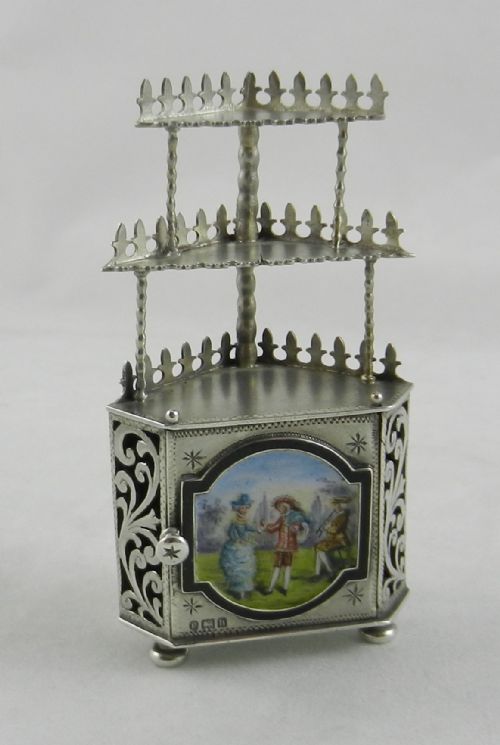
An antique silver object encompasses a wide variety of small functional and decorative items, ranging from desk accessories and medical antiques to silver miniatures and gavels. These pieces bridge the gap between utility and display, often serving specialised purposes in past households and offices.
Buyers will find items originating from the nineteenth and twentieth centuries, including Victorian, Edwardian, and mid-century periods. Materials extend beyond solid metal to include mixed media pieces incorporating wood, brass, bronze, and enamel.
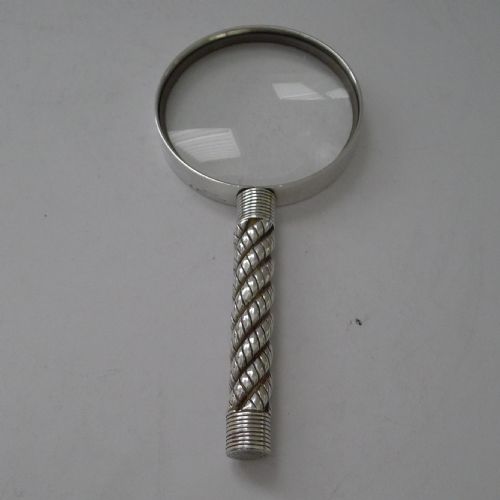
The assortment on this page reflects distinct global influences, featuring German workmanship, Japanese Meiji period metalwork, and Ottoman designs alongside British and American pieces. Each item carries the specific functional identity of its original creation, whether as a wax holder, a magnifying glass, or a presentation gavel.
How they were made
Makers utilised sterling silver and silver plate alongside organic materials such as boxwood, cow horn, and general wood substrates. Metal components frequently show combination techniques involving casting, chasing, and the application of enamel.
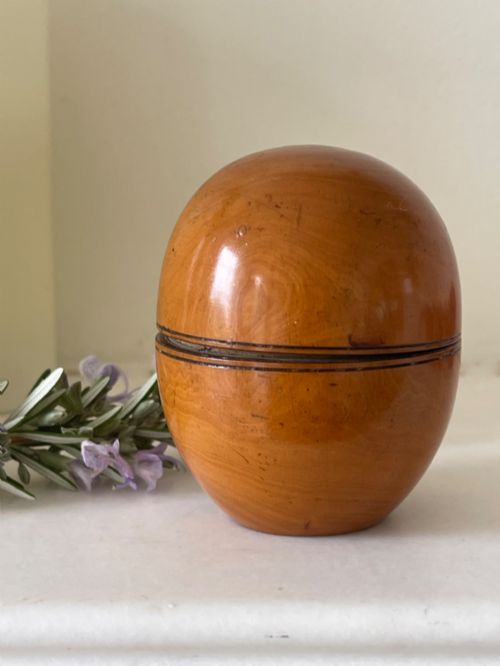
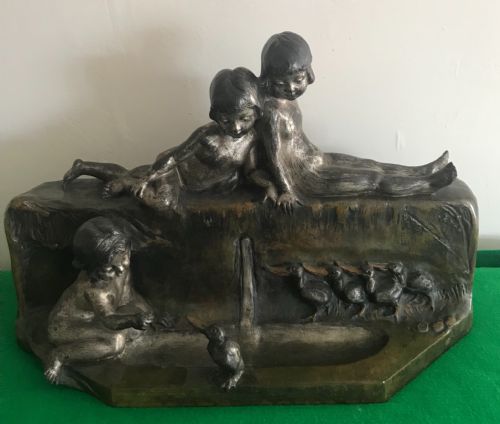
Wood elements often display intricate turning, carving, and metal inlay work, as seen in treen pill silverers and back scratchers. Bronze and mixed metal items rely on traditional foundry casting and patination methods characteristic of the late nineteenth and early twentieth centuries.
Antique Silver Object Retail Price Guide 2026
Typical asking prices for silver object among the pieces listed under this phrase on Sellingantiques today, from the lower quarter to the upper quarter. They describe what is for sale here now, not the wider market.
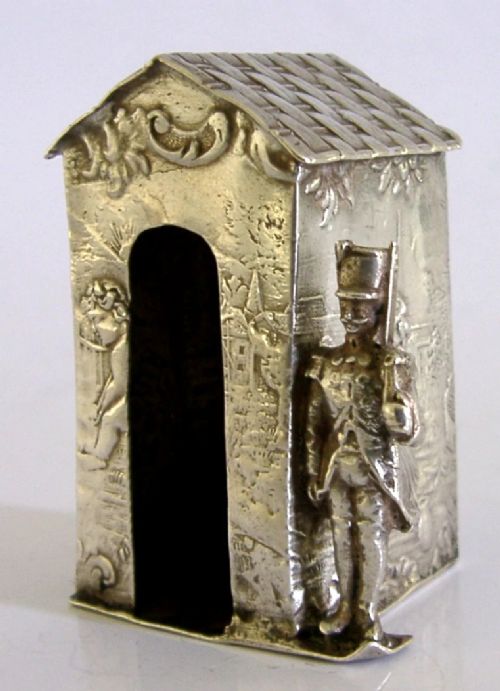
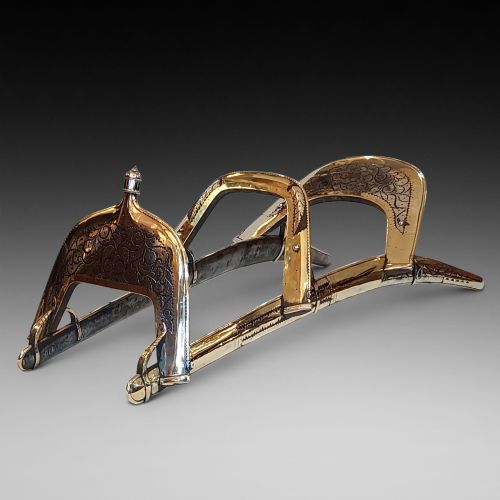
A ceremonial camel saddle sits quietly among the desk accessories and miniature soldiers, waiting for a very unusual study.
What varies in quality
The standard of an antique silver object rests on the crispness of its cast or chased detail and the integrity of any applied enamel. Superior examples maintain clear hallmarks and retain their original structural components without replacement parts.
Material combination also defines the grade of a piece, where precision in wood carving or mixed metal inlay elevates the overall execution. Items bearing recognised maker marks or specific historical provenance tend to show a higher tier of workshop standard.
Hermes, Paris·Sampson Mordan·Antoine Bofill
The Antique Silver Object Glossary
- Sterling silver
- A silver alloy containing 92.5 percent pure silver and 7.5 percent other metals, usually copper, to add strength. This standard is frequently denoted by specific hallmarks on British and American pieces.
- Hallmark
- An official stamp applied to precious metals indicating the standard of purity, the assay office, and the year of manufacture. These marks provide the primary means of dating and authenticating British items.
- Treen
- Small handmade wooden household objects produced before the widespread use of plastics. These items often feature turned or carved details and occasionally incorporate metal linings.
- Pomander
- A small container or sphere used to hold aromatic substances such as herbs or spices. Victorian examples were frequently fashioned from silver with pierced designs to release scent.
- Enamel
- A glassy substance fused to the surface of metal through firing to provide decorative colour. It appears on presentation pieces and miniature models from the late nineteenth and early twentieth centuries.
Antique Silver Object: Frequently Asked Questions
What is an antique silver object used for?
These items served varied practical and decorative functions in historical settings, ranging from lighting wax seals to holding pills or scent.
Today, collectors use them as desk ornaments, display cabinet focal points, or tactile desktop tools.
How do I identify the period of an antique silver object?
Dating relies heavily on official hallmarks, maker marks, and stylistic indicators such as Victorian ornamentation or mid-century minimalism.
Comparing the manufacturing technique and material combination against known historical periods helps narrow the date.
Are these objects made entirely of solid silver?
Many pieces combine sterling silver or silver plate with other materials like wood, horn, brass, or bronze.
Some items use silver purely as a lining, inlay, or decorative foil over a primary wooden or organic core.
How should I care for silver and mixed material items?
Silver components require gentle cleaning with a soft cloth to maintain their finish without removing fine details or enamelwork.
Items that incorporate wood or horn need protection from excessive moisture and direct sunlight to preserve the organic material.