




Antique Silver Mount Caddy
These antique silver mount caddy selections bring together period timber vessels and gleaming metal hardware for storing dry goods.
Antique Silver Mount Caddy
An antique silver mount caddy unites traditional vessel forms with precious or plated metal fixtures. The items on this page span several centuries of British craftsmanship, encompassing Georgian, Victorian, and Edwardian eras.
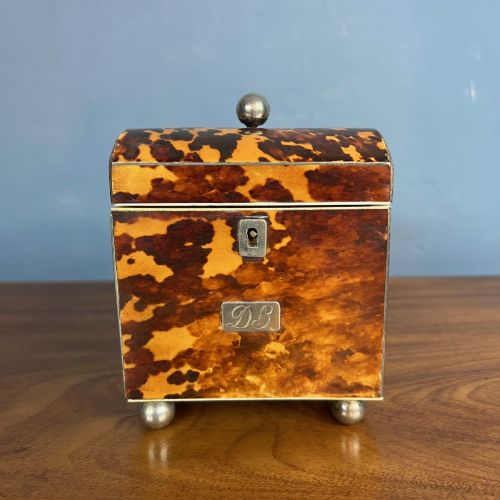
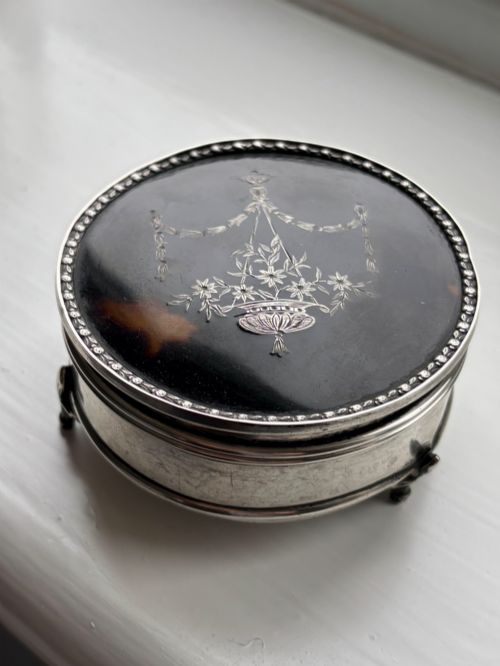
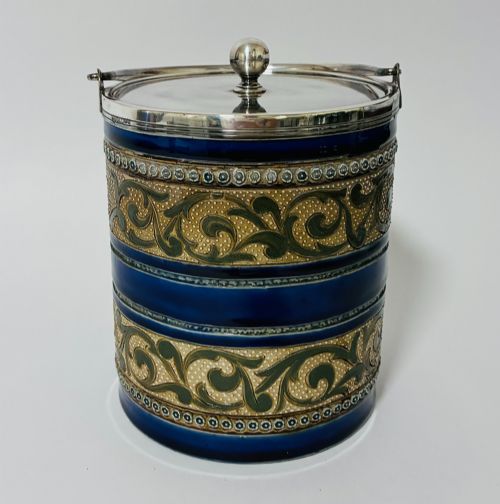
The objects take diverse forms beyond standard containers, including biscuit barrels, dressing table boxes, stationery holders, and dedicated tea caddies. Materials range from cut glass and crystal to oak, satinwood, burr walnut, and tortoiseshell.
Buyers encounter numerous variations in wood types and metal fittings, reflecting changing domestic habits across the eighteenth, nineteenth, and early twentieth centuries. Many pieces incorporate silver plate alongside solid sterling mounts.
Materials and construction methods
Cabinetmakers utilised dense hardwoods such as oak, mahogany, satinwood, and burr maple to build the foundational bodies. Timber surfaces frequently received fine veneers or polished finishes to highlight the natural grain.
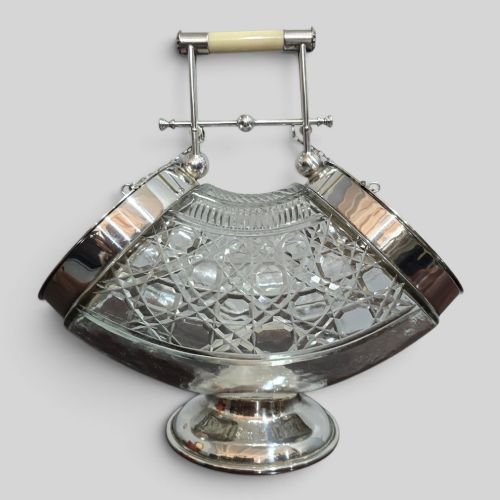
Metalworkers applied solid silver or silver plate to form protective shields, hinges, escutcheons, and carrying handles. Glass components were often cut with hobnail patterns or moulded into intricate shapes before receiving their metallic collars.
Antique Silver Mount Caddy Retail Price Guide 2026
Typical asking prices for silver mount caddy among the pieces listed under this phrase on Sellingantiques today, from the lower quarter to the upper quarter. They describe what is for sale here now, not the wider market.
Whisky enthusiasts can pour a dram from ceramic carafes housed safely inside their original locking caddies.
Assessing quality in mounted containers
The standard of timber selection and veneer matching defines the baseline of craftsmanship. Superior examples display careful grain alignment across curved or bow-fronted surfaces.
The precision of the metal mounts and the tightness of their fit against the wood or glass indicate the skill of the silversmith. High quality is further evidenced by crisp cutting on crystal bodies and robust, original hardware.
Ollivant & Botsford·William Rudkins London·Lenzkirch·John Grinsell & Sons
The Antique Silver Mount Caddy Glossary
- Silver plate
- A thin layer of silver applied to a base metal such as copper or Britannia metal. This technique provided the appearance of solid silver at a lower cost.
- Escutcheon
- A protective metal plate surrounding a keyhole. It prevents the surrounding wood from wearing down through repeated use.
- Hobnail cut
- A decorative facet-cutting pattern applied to glassware, resembling the stout nails used in heavy boots. It catches the light and creates a textured surface.
- Tantalus
- A locking wooden frame holding decanters or bottles visible to the eye but secured against unauthorized access. The metal bar across the stoppers prevents removal until the lock is opened.
Antique Silver Mount Caddy: Frequently Asked Questions
What was a silver mount caddy used for?
These containers served to store high-value provisions such as tea, biscuits, or spirits in domestic settings. The lockable lids protected expensive contents from domestic staff or moisture.
Over time, many of these vessels transitioned into decorative display pieces or multipurpose storage boxes for stationery and dressing table items.
How do I distinguish Georgian from Victorian pieces?
Georgian items often feature restrained neoclassical lines, fine satinwood or mahogany veneers, and delicate tortoiseshell work. They date from the eighteenth and early nineteenth centuries.
Victorian and Edwardian examples tend to introduce heavier oak frames, silver plate combinations, and novel drum or barrel forms suited to late nineteenth-century dining customs.
Are the silver mounts solid sterling?
The listings on this page include both solid silver and silver-plated components. Makers used silver plate extensively on larger items like biscuit barrels to manage weight and expense.
Examining the metal surfaces often reveals hallmarks on solid sterling pieces, whereas plated items feature different manufacturer marks or unmarked base metals.
How should I care for wood and tortoiseshell?
Organic materials require stable humidity and protection from direct sunlight to prevent warping and cracking. Gentle dusting with a dry, soft cloth preserves the polished surface.
Avoid liquid cleaners on tortoiseshell and delicate veneers, using instead specialised conservation waxes recommended for antique furniture.