
Antique Silver Glass
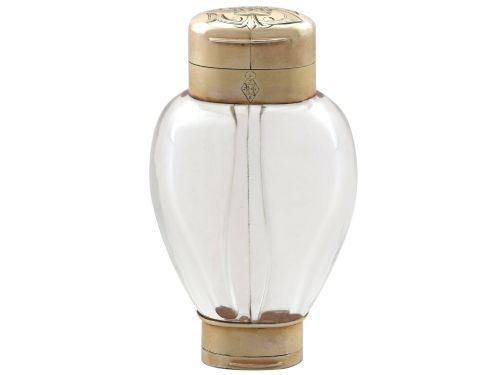
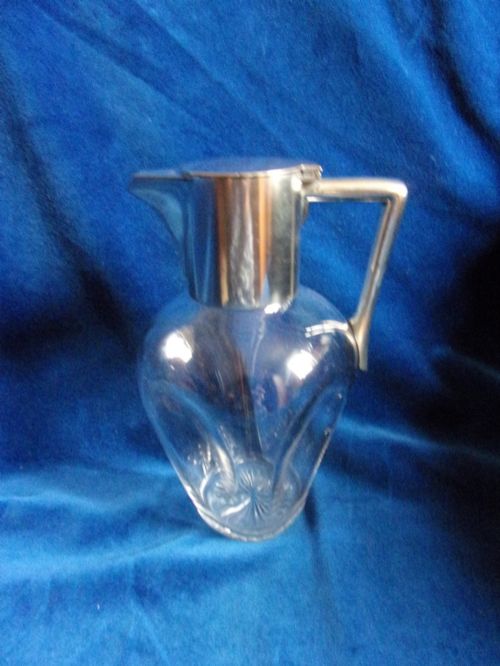
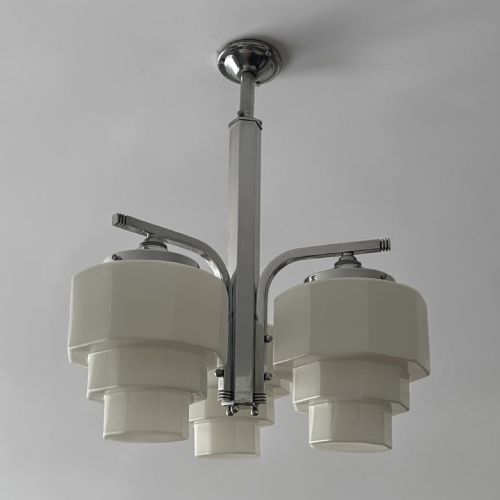
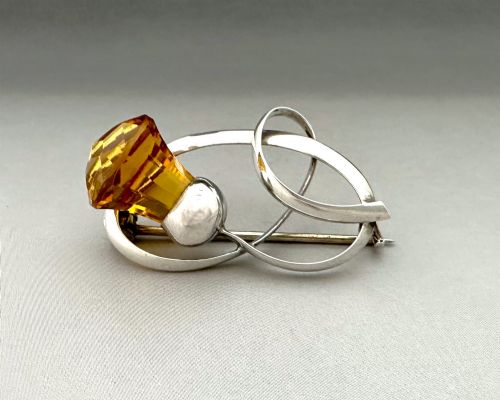
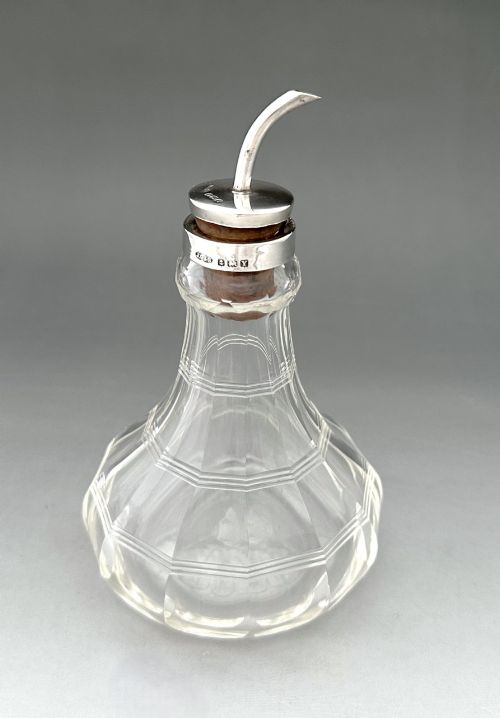
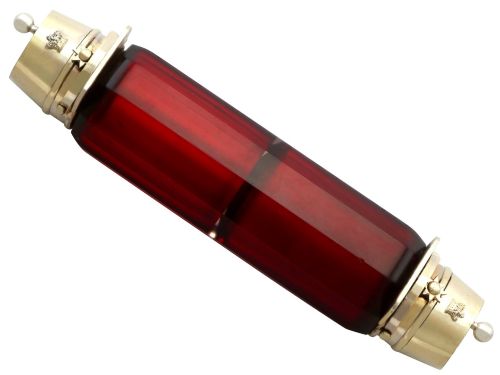
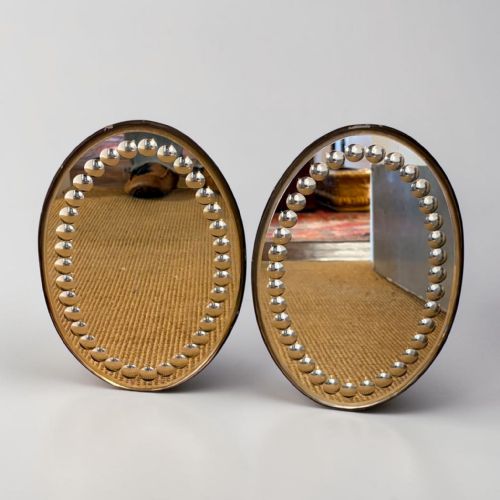
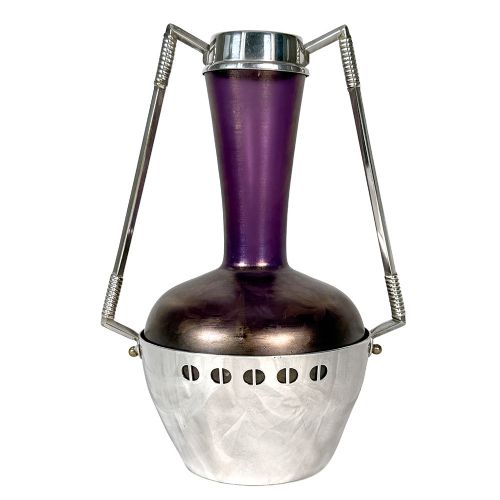
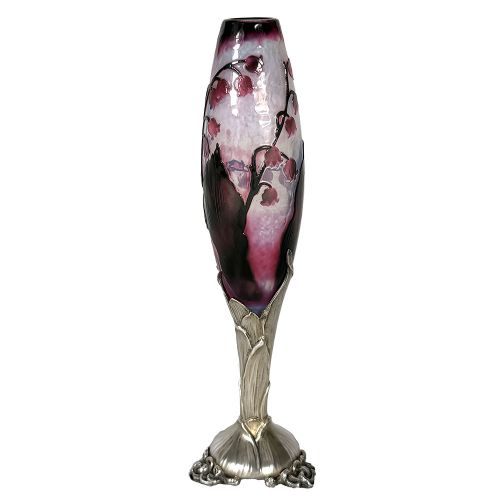
These pieces of antique silver glass unite the brilliance of moulded or cut crystal with the gleam of sterling or plated mounts.
Antique Silver Glass
The term antique silver glass covers a wide spectrum of functional vessels and tabletop accessories combining precious metal and vitreous materials. Buyers searching this phrase typically encounter scent bottles, cruet sets, claret jugs, and dressing table jars produced during the Victorian, Edwardian, and Art Deco periods.
Vessels feature heavy cut glass bodies fitted with hinged sterling silver lids, collars, or intricate overlay cage work. Coloured glass appears frequently, including cranberry, cobalt blue, ruby, and flashed or overlay variants that contrast sharply against polished metal mounts.
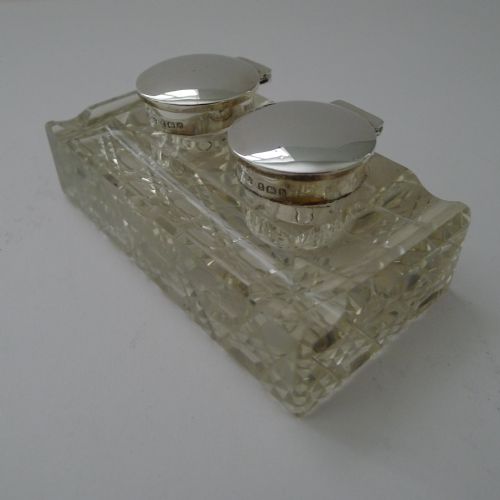
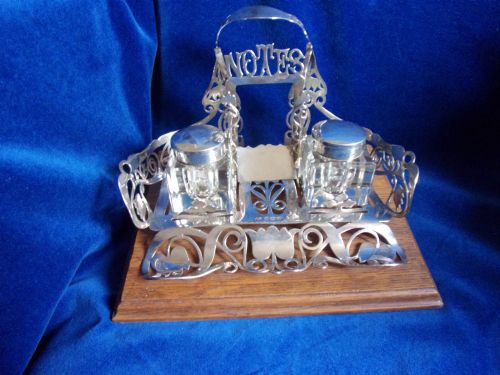
Desk accessories and barware also populate this category, ranging from inkstands and mustard pots with coloured glass liners to cocktail goblets and decanters. Makers utilised silver plate alongside sterling mountings, pairing clear or coloured crystal with durable metal hardware designed for daily domestic utility.
How antique silver glass was made
Glass bodies were typically blow-moulded or heavy-cut, utilising lead crystal to achieve deep refraction and weight. Craftsmen then applied cut facets, wheel-engraving, or coloured chemical overlays to the exterior surface before final polishing.
Metal components involved either sterling silver or silver plate, shaped through casting, spinning, or stamping. Silversmiths secured these mounts directly to the glass necks or bodies using specialised adhesives, collars, or tight-fitting hinged mechanisms.
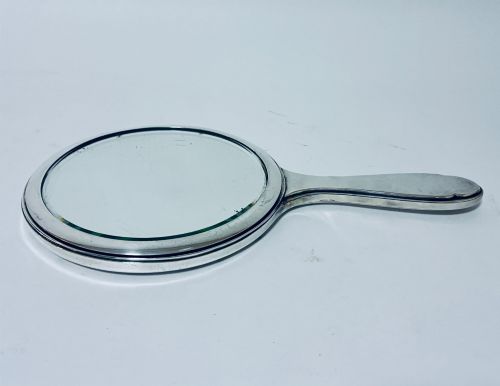
Listings feature items from the Victorian, Edwardian, and Art Deco periods, incorporating sterling silver, silver plate, and cut glass.
What varies in quality
Quality rests upon the weight and clarity of the glass coupled with the gauge and detail of the metalwork. Heavy, deeply hand-cut crystal paired with substantial sterling silver mounts represents the upper tier of production.
Maker attribution and decorative technique further elevate a piece. Items bearing clear hallmarks from established silversmiths or featuring hand-applied enamel, intricate filigree, or coloured glass overlays command greater distinction than unmarked silver-plated wares.
Harrods Ltd Birmingham·A J Pepper And Co·The Boots Company·Henry Clifford Davis·Tiffany And Co·Mappin And Hall And Co·Elkington
The Antique Silver Glass Glossary
- Sterling silver
- A silver alloy containing 92.5 percent pure silver and 7.5 percent other metals, usually copper. This standard composition provides the durability required for functional antique mounts and lids.
- Overlay glass
- A glass vessel formed with two or more distinct layers of different colours. Artisans cut away portions of the outer layer to reveal the contrasting colour beneath.
- Claret jug
- A pouring vessel designed for serving red wine at the table. These pieces combine a large glass body with an elaborate silver handle, collar, and hinged lid.
- Cruet set
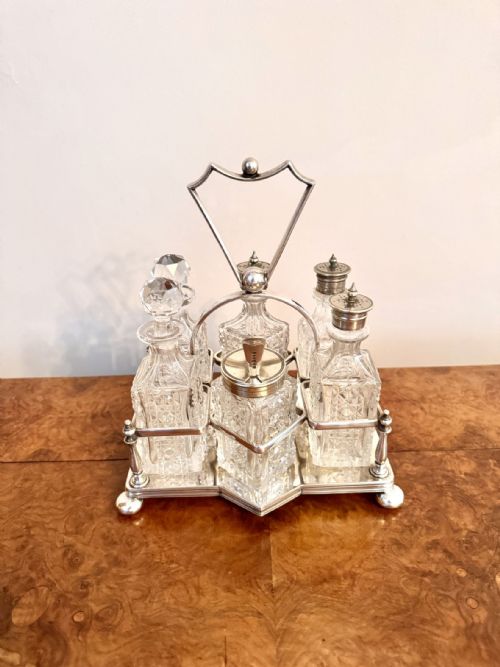
- A matched collection of glass bottles fitted with silver mounts for holding condiments such as oil, vinegar, salt, and mustard. They sit within a dedicated metal frame or stand.
- Hallmark
- A series of official stamps applied to precious metal items indicating the standard of purity, the assay office, the maker, and the year of manufacture.
Antique Silver Glass: Frequently Asked Questions
How do I clean silver mounts on glass?
Polish the metal portions carefully with a soft microfibre cloth while avoiding harsh chemical dips that might etch the surrounding glass surface. Take care to keep liquid cleaning agents away from any internal adhesives securing the mounts.
For stubborn tarnish near the glass join, apply a mild metal cream using a cotton bud. Wipe the entire piece down with a damp cloth afterward to remove residual polish.
Were these glass items meant for daily use?
Original owners utilised these objects extensively for dining, dressing, and writing tasks. Decanters, cruet sets, and mustard pots served practical roles at the Victorian and Edwardian dining table.
Scent bottles and dressing table jars similarly accompanied daily grooming routines. Their robust construction in thick lead crystal ensured they could withstand regular handling.
How can I date an unmarked silver glass piece?
Examine the style of the glass cutting and the silhouette of the object for period characteristics. Victorian items often display heavy floral etching or deep thumb cuts, while Art Deco pieces favour geometric precision.
The weight of the glass and the composition of the metal plate can also offer clues regarding the decade of manufacture. Comparing the form to hallmarked counterparts helps narrow down the production era.
Are coloured glass liners original to the silver holder?
Original glass liners fit snugly into the pierced or solid silver metalwork without excessive lateral movement. The glass hue and thickness should match the manufacturing conventions of the period indicated by the outer mount's hallmarks.
Subtle variations in tint or minor bubble inclusions within the glass often confirm period production. Replacement liners generally lack the precise fit and historical wear patterns of the original components.