





Antique Silver Cluster Ring
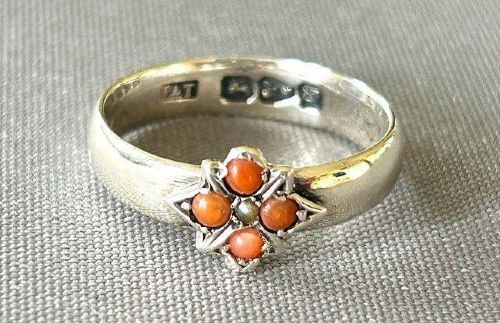
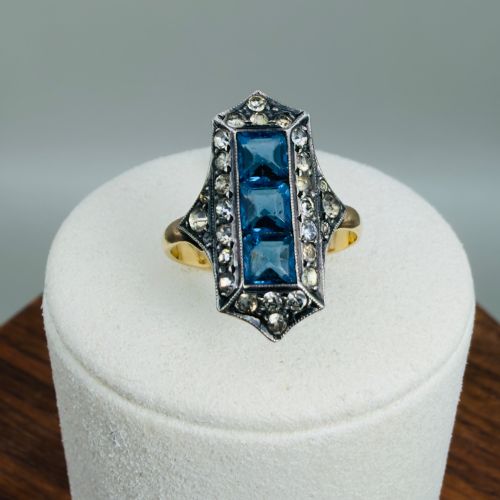
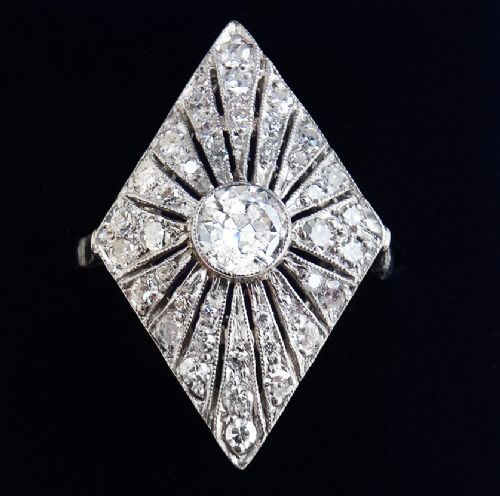
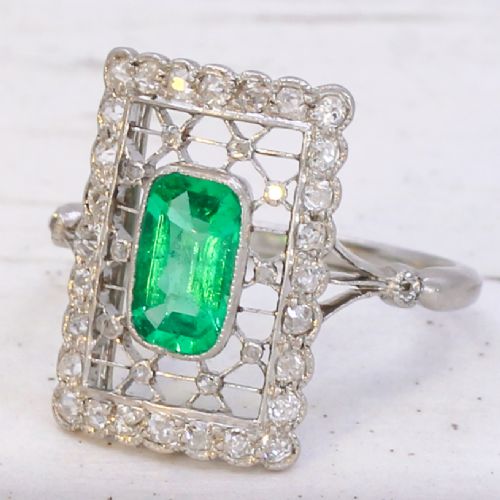
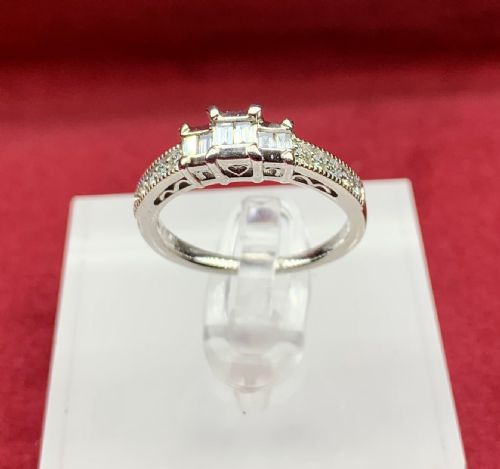
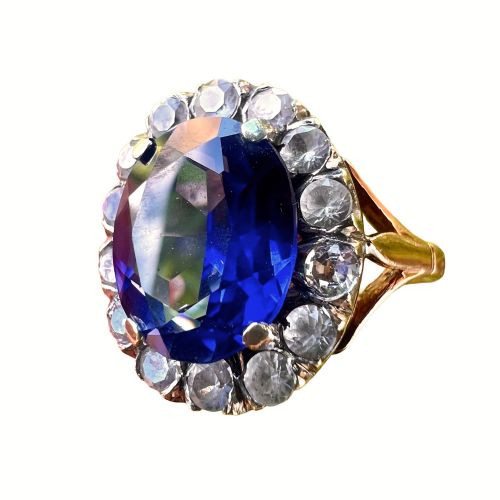
An antique silver cluster ring brings together central gemstones and surrounding stones in designs spanning Georgian, Victorian, Edwardian, and Art Deco periods.
Antique Silver Cluster Ring
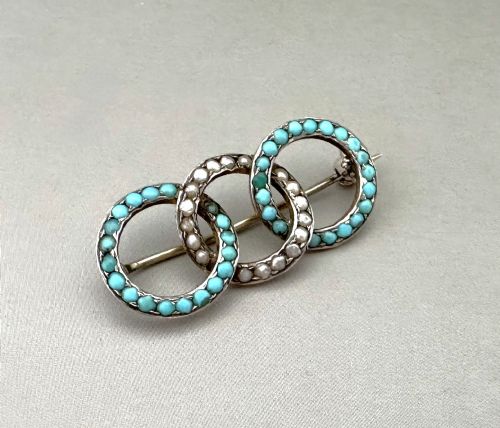
The materials paired with silver in these rings include gold, platinum, and white gold, often forming composite mounts. Gems such as diamond, emerald, sapphire, ruby, paste, turquoise, and moonstone populate these designs.
Most pieces seen here reflect the prevalent decorative tastes of the nineteenth and early twentieth centuries, encompassing cocktail rings and delicate halo arrangements.
How they were made
Silversmiths and jewellers combined silver with gold or platinum to securely mount stones while displaying a bright metal face. Metals were shaped by hand or cast to support intricate arrangements of rose cut, old cut, and transitional cut diamonds alongside coloured gems.
Gemstones were secured using collet settings, grain settings, or claw mounts that emphasised the central stone. Paste stones and natural gems were integrated into these clusters using traditional bench techniques of the period.
Antique Silver Cluster Ring Retail Price Guide 2026
Typical asking prices for silver cluster ring among the pieces listed under this phrase on Sellingantiques today, from the lower quarter to the upper quarter. They describe what is for sale here now, not the wider market.
Materials appearing across the inventory include emerald, sapphire, moonstone, turquoise, and coral.
What varies in quality
The quality of an antique silver cluster ring rests on the harmony of the stone grouping and the integrity of the metalwork. Precision in stone cutting, from rose cuts to old European cuts, dictates the visual depth of the face.
The retention of original metal combinations, such as gold and silver or platinum mounts, distinguishes finer pieces. Structural preservation of the delicate prongs and settings also separates well-kept examples from heavily altered ones.
The Antique Silver Cluster Ring Glossary
- Cluster ring
- A ring design featuring a central gemstone surrounded by a border of smaller stones. This arrangement maximises visual impact and light reflection.
- Paste
- Hand-cut glass used in historical jewellery to imitate diamonds or coloured gemstones. High-quality paste stones possess notable brilliance and age-appropriate faceting.
- Rose cut
- An antique diamond cut characterised by a flat base and a domed crown featuring triangular facets. It produces a soft, glowing lustre rather than modern brilliant scintillation.
- Old cut
- A precursor to the modern brilliant cut, hand-faceted with a high crown and small table. These stones were shaped to catch candlelight.
- Halo ring
- A setting style where a central gemstone is encircled by a ring of smaller accent stones. This layout enhances the perceived size of the main gem.
Antique Silver Cluster Ring: Frequently Asked Questions
How do I care for an antique silver cluster ring?
Clean these rings gently using a soft cloth, avoiding harsh chemical dips that damage older metals and paste stones. Store them individually to prevent the harder gems from scratching softer materials or silver.
Because many older settings rely on closed backs or foil linings, keep the ring away from water immersion. Regular checks by a jeweller ensure the tiny claws holding the cluster stones remain secure.
Can I wear an antique silver cluster ring daily?
Daily wear is possible with robust stone settings, though delicate Georgian and Victorian pieces require mindfulness. Silver is softer than platinum and can wear down over long periods of constant friction.
Removing the ring during manual tasks or heavy lifting protects the older metalwork and prevents stone loss in intricate cluster designs.
What is the difference between Georgian and Art Deco clusters?
Georgian cluster rings often utilise closed-back settings and rose cut diamonds or coloured paste stones. The metalwork tends to be hand-wrought with softer, organic contours.
Art Deco clusters embrace geometric precision, symmetrical layouts, and platinum settings paired with old transitional cut diamonds. These later pieces feature open-backed mounts that allow light to pass through the stones.
Why is gold often combined with silver in these rings?
Jewellers used silver on the top surface of the ring because its bright, white colour complemented the stones. Gold or base metals were used underneath or for the band to provide structural strength.
This historical combination allowed artisans to utilise silver's aesthetic benefits while relying on gold's durability for the shank.