





Antique Silver Blade
An antique silver blade combines functional metalwork with decorative mounts, offering a glimpse into personal protection and refined desk accessories.
Antique Silver Blade
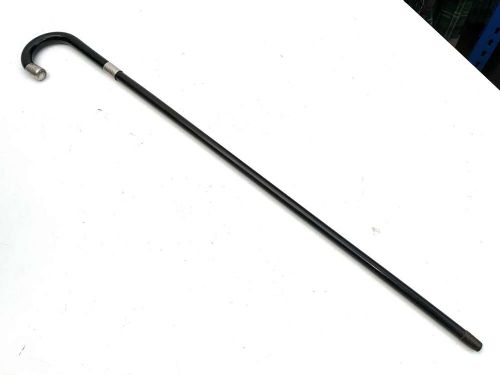
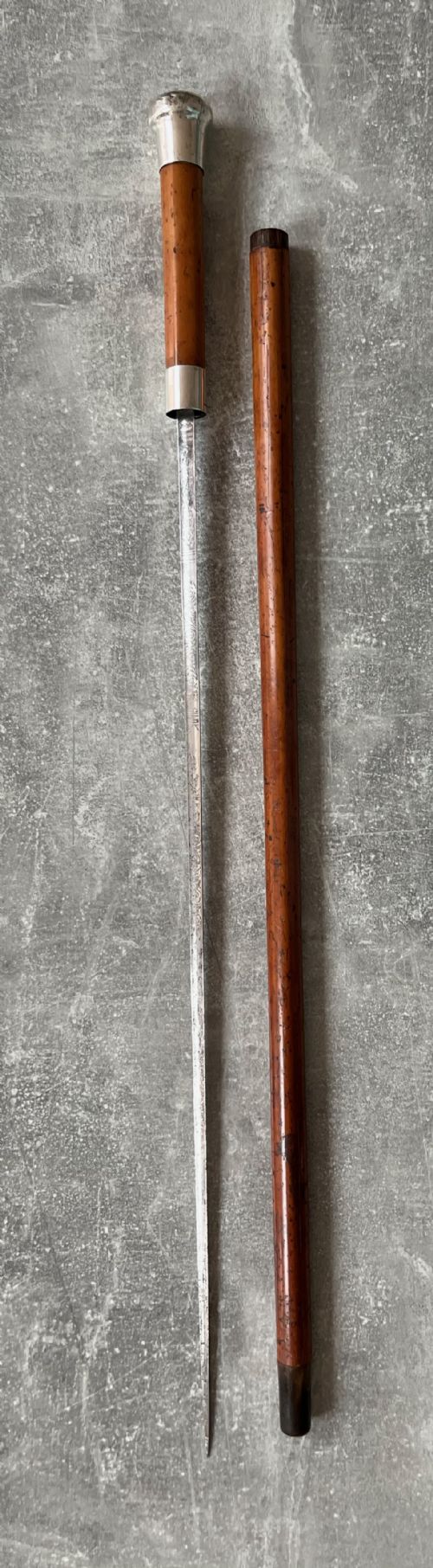
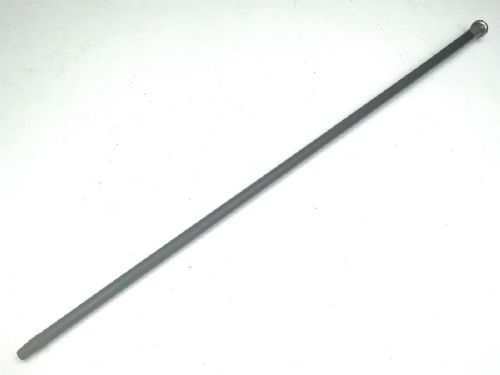
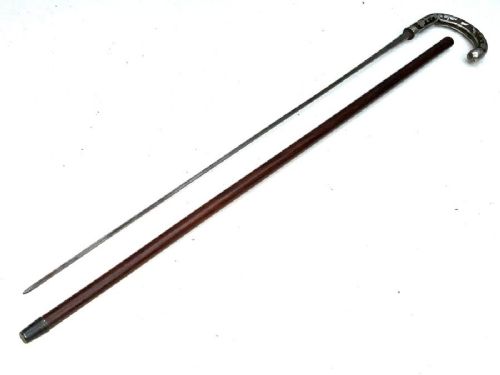
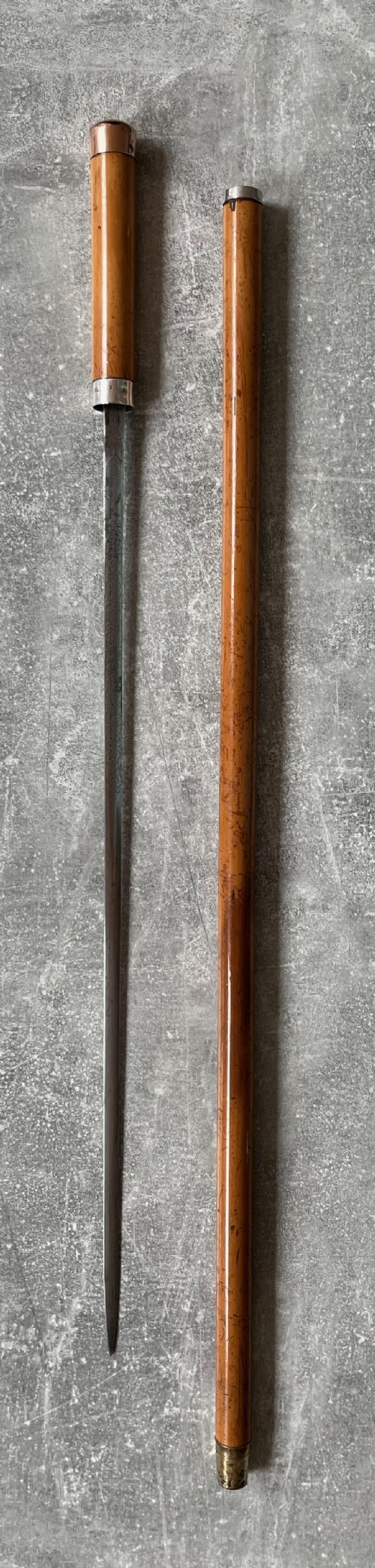
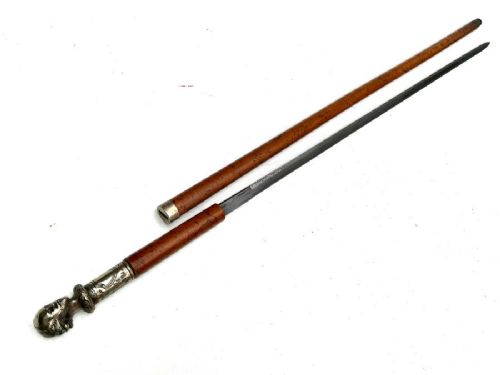
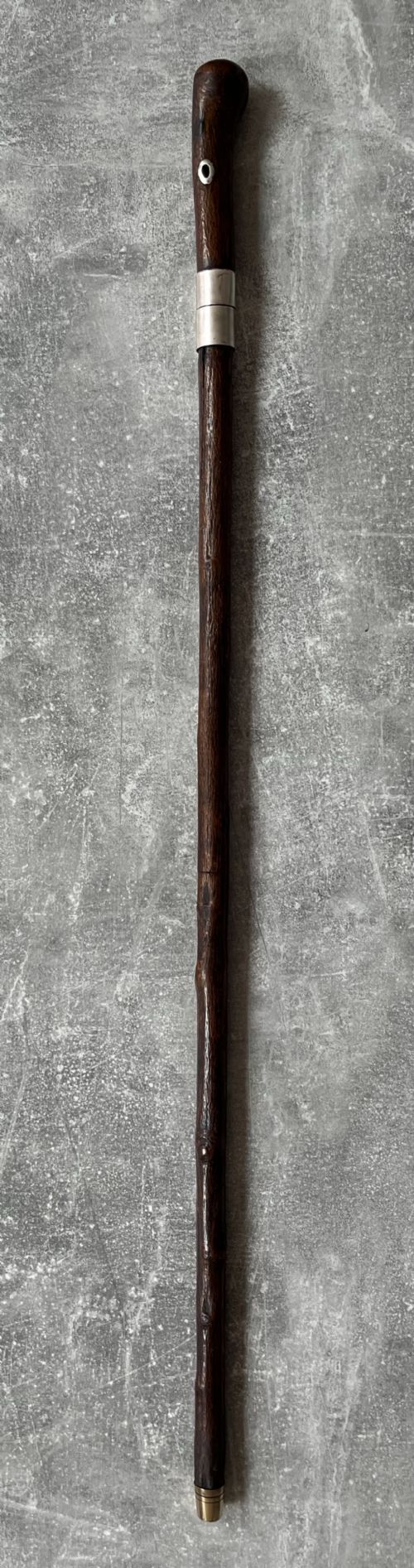
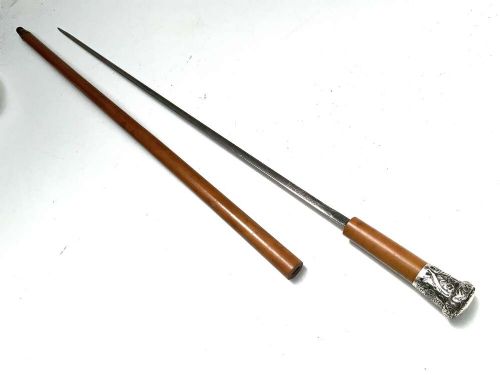
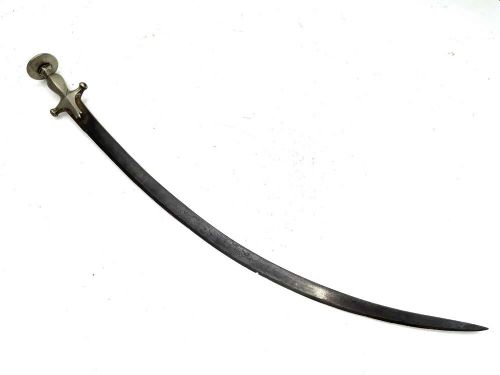
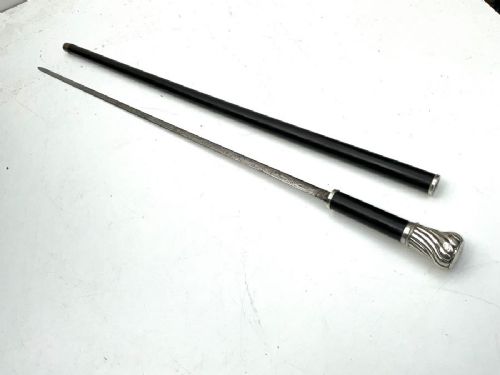
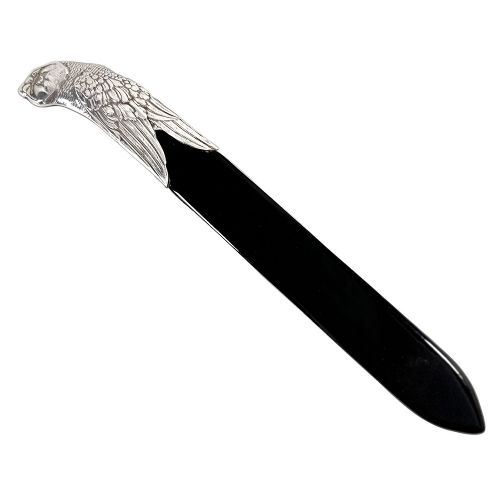
When you search for an antique silver blade, you encounter items ranging from concealed sword sticks and swagger sticks to fish servers, letter openers, and pocket knives. The most frequent forms on this page are walking sticks and canes fitted with silver collars, mounts, or knops concealing steel blades.
These pieces originate primarily from the Victorian, Edwardian, and early twentieth-century periods, alongside some eighteenth-century examples such as Indian tulwars and smallswords. Makers and craftsmen utilised various materials to house these blades, matching utility with gentlemanly presentation.
A buyer examining these objects finds a distinct crossover between practical weaponry, everyday walking aids, and dining or desk implements. The integration of silver handles and collars transforms utilitarian steel into decorative accessories.
How they were made
Makers combined forged steel for the blades with durable shafts of malacca cane, bamboo, hazel wood, rosewood, and leather-covered wood. Silver mounts, collars, and repoussé knops were worked to adorn the handles and secure the internal mechanisms.
Blades were shaped from steel, sometimes sourced from notable makers or manufacturing centres like Wilkinson and Toledo, then fitted inside hollowed wooden shafts. Handles incorporate materials such as horn, bone, antler, brass, and cast silver.
Antique Silver Blade Retail Price Guide 2026
Typical asking prices for silver blade among the pieces listed under this phrase on Sellingantiques today, from the lower quarter to the upper quarter. They describe what is for sale here now, not the wider market.
Several walking sticks conceal blades alongside carved silver horse heads and wise glass-eyed owls.
What varies in quality
The standard of an antique silver blade depends on the integration of the silver mount and the origin of the steel. Pieces bearing identifiable maker signatures on the blade, such as Wilkinson or Toledo, or clear London silver hallmarks, demonstrate superior craftsmanship.
Material selection for the shaft and handle also dictates the grade of the piece, with dense hardwoods, malacca, and detailed cast silver or repoussé work representing the higher tier of production compared to basic metal or standard wooden alternatives.
Jowika·Wilkinson·Toledo
The Antique Silver Blade Glossary
- Malacca cane
- A strong, spotted rattan stem commonly used for walking stick shafts.
- Knop
- A rounded knob or handle at the top of a walking stick or cane.
- Repoussé
- Metalwork hammered into relief from the reverse side to create decorative patterns.
- Smallsword
- A light, one-handed sword designed for thrusting, popular in the eighteenth century.
Antique Silver Blade: Frequently Asked Questions
What is a sword stick?
A sword stick is a walking cane with a concealed steel blade hidden inside the shaft.
Owners carried them for personal defence and fashion during the Victorian and Edwardian eras.
How do I identify the period?
You determine the period by examining silver hallmarks, blade styles, and handle designs.
Records from the nineteenth and early twentieth centuries often match specific mounting styles.
What materials are used for handles?
Handles are fashioned from cast silver, horn, bone, antler, wood, and celluloid.
Some feature decorative animal carvings like horses' heads or owls.
Were these used as weapons?
Yes, many sword sticks and swagger sticks served as practical self-defence tools for gentlemen.
Others functioned purely as desk accessories or ceremonial items.