



Antique Silver Bar Pin
An antique silver bar pin is a slender fastening that fastens fabric with period charm, crossing lapels and collars in silver, paste, and gemstone.
Antique Silver Bar Pin
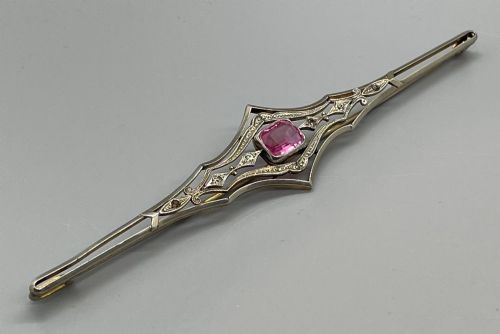
An antique silver bar pin takes the form of a slender metal rod designed to fasten garments, frequently embellished with stones or motifs. You will encounter Edwardian and Art Deco examples most often here, alongside Victorian creations.
These jewels range from simple geometric settings to figurative designs representing animals, insects, and floral sprays. Many incorporate materials such as paste, rubies, diamonds, and enamel upon a silver foundation.
How they were made
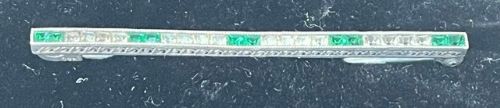
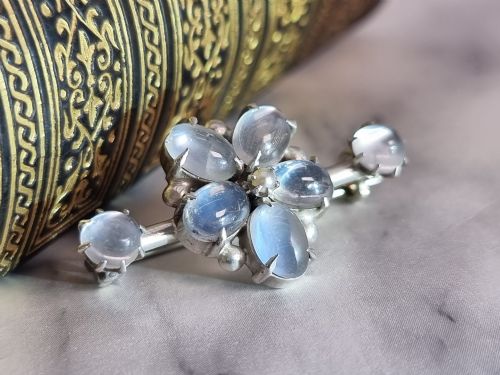
Silversmiths utilised sterling silver and silver-topped gold, often combining platinum or gold accents to mount gemstones securely. Stones including rose-cut diamonds, rubies, emeralds, and moonstones were hand-set into the metal framework.
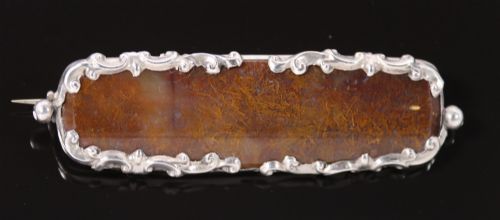
Decorative elements frequently involved vitreous enamel work, paste simulations, and natural minerals such as moss agate or jasper. Pins were fashioned with traditional hinged fastenings and C-clasps suited to period garments.
Antique Silver Bar Pin Retail Price Guide 2026
Typical asking prices for silver bar pin among the pieces listed under this phrase on Sellingantiques today, from the lower quarter to the upper quarter. They describe what is for sale here now, not the wider market.
Materials paired with silver across these items include diamonds, rubies, enamel, moss agate, pearls, and moonstones.
What varies in quality
The distinction between ordinary and exceptional pieces lies in the crispness of the metalwork and the selection of materials. Fine examples display precise stone-setting, well-balanced proportions, and sophisticated decorative motifs.
Superior execution is evident in undamaged enamel, well-matched gemstones, and intact original clasps. The artistry of the maker elevates pieces beyond standard utilitarian fasteners into enduring decorative objects.
The Antique Silver Bar Pin Glossary
- Bar brooch
- A slender elongated pin designed to fasten clothing, often decorated across its length with stones or engraved patterns.
- Paste
- Hand-cut glass utilised in period jewellery to imitate gemstones such as diamonds, rubies, and emeralds.
- Rose-cut
- A vintage diamond cut featuring a flat base and a domed crown of triangular facets.
- Silver-topped gold
- A technique where gold forms the structural reverse of a jewel with a silver surface applied to the front to enhance white gemstone brilliance.
- C-clasp
- An early form of brooch closure shaped like the letter C, holding the pin stem without a modern locking mechanism.
Antique Silver Bar Pin: Frequently Asked Questions
How do I wear a bar pin?
These pins secure lapels, scarves, and collars by passing the slender metal rod through fabric before catching it in the clasp. They sit flat against textiles to accent tailoring or knitwear.
Heavier gem-set pieces require sturdier fabrics such as wool or tweed to support their weight properly without pulling delicate silks.
How can I tell an Edwardian pin from Art Deco?
Edwardian pieces tend to feature delicate openwork, floral motifs, swallos, and flowing lines executed in platinum and silver. They emphasise grace and intricate detail.
Art Deco pins favour bold geometric shapes, symmetry, and strong colour contrasts provided by rubies, emerald paste, and chrome.
How do I clean antique silver jewellery?
Gentle cleaning with a soft microfibre cloth preserves the natural patina developed over decades of existence. Harsh chemical dips strip the aged finish and damage softer set stones.
Keep moisture away from paste settings and backed stones to prevent water from clouding the foil or adhesive beneath.