

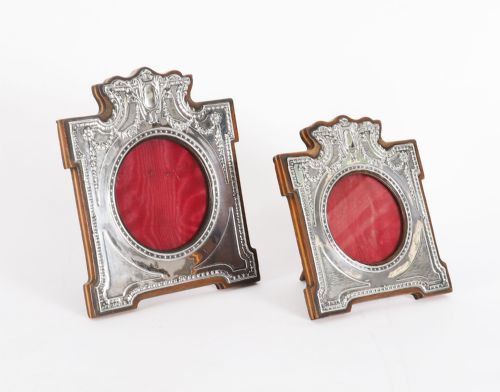


Antique Silver Aperture Frame
These antique silver aperture frame pieces hold portraits and photographs, combining precious metal work with glass and fitted backs.
Antique Silver Aperture Frame
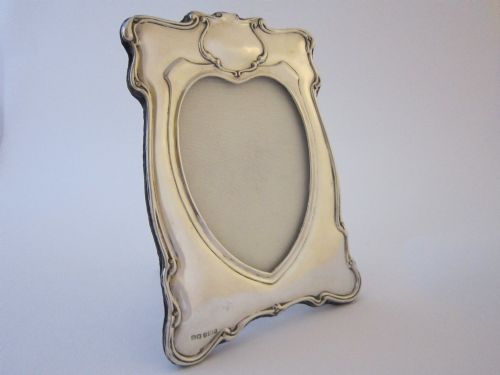
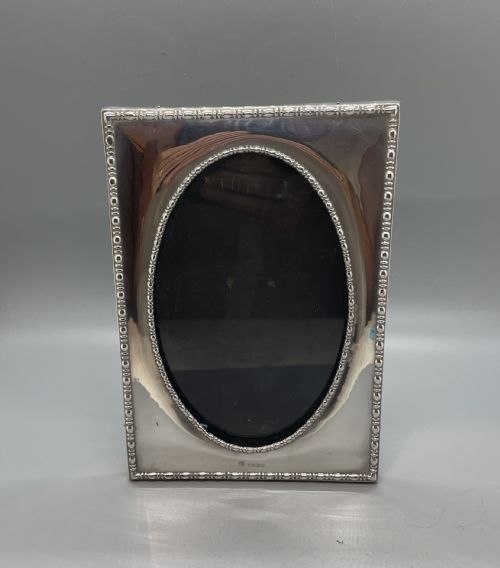
An antique silver aperture frame displays a photographic portrait through a central window, surrounded by precious metal borders. These items range from simple rectangular shapes to heart-shaped designs and double formats.
The examples seen here mostly date from the Edwardian period, alongside items from the 1900s, 1910, 1930, and the nineteenth century. Makers such as Mappin Bros and Henry Matthews produced these picture frames in sterling silver.
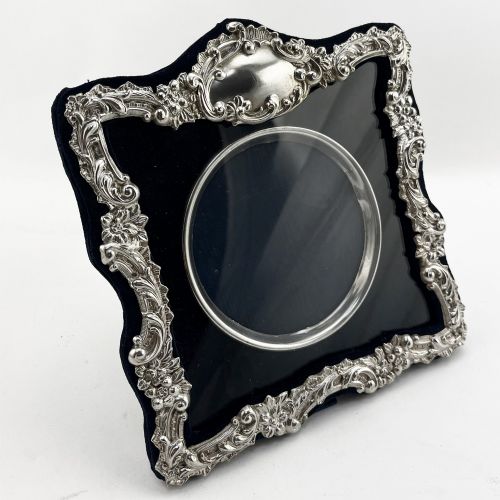
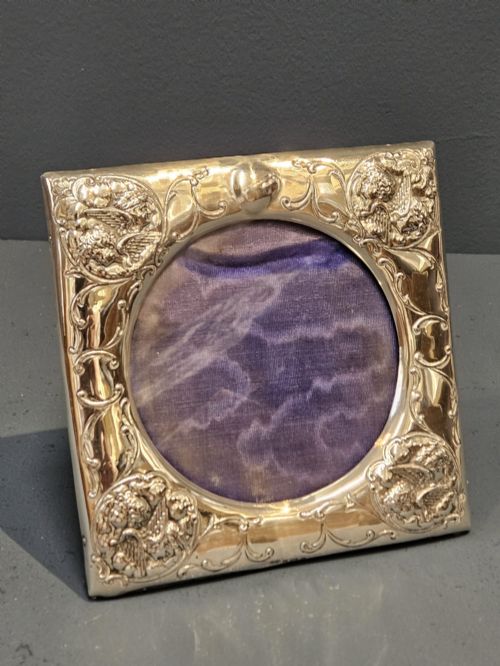
Buyers encounter decorative motifs including embossed patterns, Reynolds Angels, and Art Nouveau curves. Some pieces incorporate wooden or velvet backing materials to support the metal front.
What varies in quality
The distinction between standard and superior pieces rests on the weight of the sterling silver and the crispness of the hand-embossed detailing. Makers known for high production standards achieved cleaner lines in complex shapes like hearts and double frames.
The integrity of the structural backing, whether oak, wood, or fabric, influences the overall preservation of the object. Surviving original glass and intact hallmarks further distinguish finer examples.
Antique Silver Aperture Frame Retail Price Guide 2026
Typical asking prices for silver aperture frame among the pieces listed under this phrase on Sellingantiques today, from the lower quarter to the upper quarter. They describe what is for sale here now, not the wider market.
Listings span the Edwardian period, 1900, 1910, 1930, and the nineteenth century, utilising sterling silver, velvet, wood, glass, and oak.
Mappin Bros·Henry Matthews
The Antique Silver Aperture Frame Glossary
- Aperture
- The open window in the metal front through which the photograph is viewed. It frames the image and holds the protective glass in place.
- Sterling silver
- The standard alloy of silver used in these items, containing 92.5 percent pure silver by mass. Hallmarks often verify this composition.
- Planished
- A surface finish created by hammering the metal with a smooth round-faced tool. This technique produces regular flat facets across the silver.
- Hallmark
- An official stamp applied to precious metals indicating the maker, assay office, and year of testing. British pieces typically carry these civic marks.
Antique Silver Aperture Frame: Frequently Asked Questions
What is an antique silver aperture frame?
An antique silver aperture frame is a decorative holder for photographs featuring a metal border and a viewing window. These items protect and display portraits using sterling silver fronts.
Most examples date from the Edwardian era and incorporate materials like glass, wood, and velvet. They appear in single, double, and heart shapes.
How do I date a silver photo frame?
Dating relies heavily on the hallmarks stamped into the sterling silver by assay offices in cities like Birmingham and Sheffield. These marks indicate the specific year of testing.
Stylistic cues also help determine age, such as organic Art Nouveau curves or embossed Edwardian motifs. Comparing the backing materials provides further context.
How should I clean my silver frame?
Cleaning requires a soft cloth and a gentle silver polish specifically formulated for precious metals. Avoid harsh abrasives that can wear away thin silver layers or embossed details.
Take care to keep moisture away from the wooden backs, velvet linings, and internal glass edges. Proper handling preserves the original hallmarks and surface finish.
What styles are common in these frames?
Edwardian and Art Nouveau styles dominate this category, featuring flowing lines, embossed patterns, and figurative details like angels. Plain planished surfaces also appear among the listed pieces.
Victorian Rococo Revival influences occasionally surface alongside simpler geometric layouts. Each style reflects the prevailing decorative tastes of its manufacturing period.