



Antique Signet Jewellery
Antique signet jewellery carries personal history and tactile authority, offering tangible connection to past eras through seals, rings and fobs.
Antique Signet Jewellery
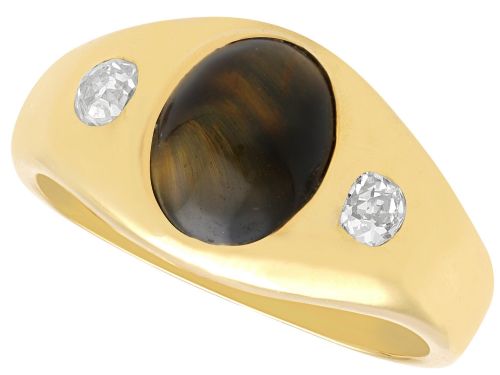
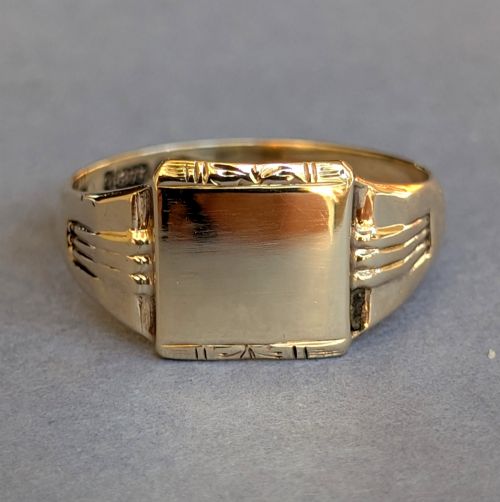
When searching for antique signet jewellery, collectors encounter pieces spanning from late medieval bronze bands to mid-century gold designs. The selection relies heavily on Victorian and Edwardian examples, alongside Georgian intaglios and earlier bronze artefacts.
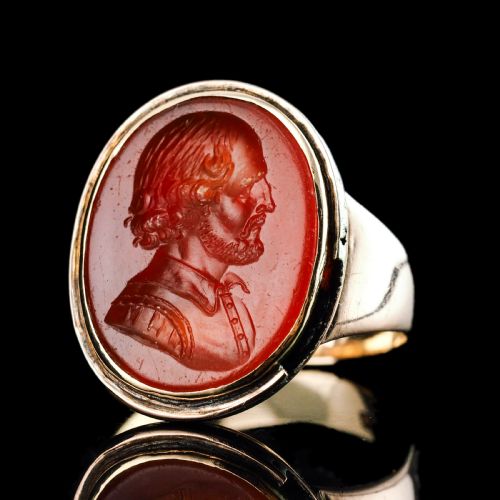
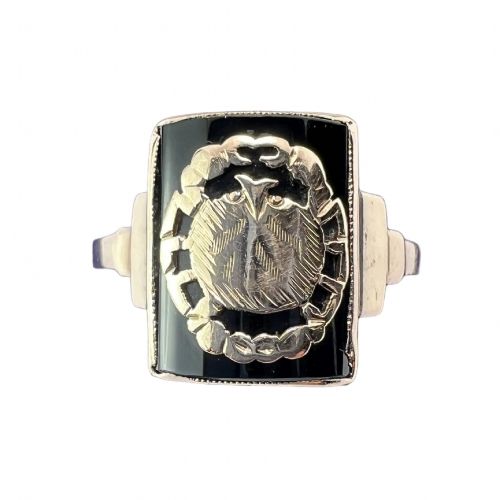
Forms extend beyond standard signet rings to encompass spinning fobs, wax seals, intaglio rings, and pendants. These items functioned historically to seal documents or display personal motifs, crests, and allegorical figures.
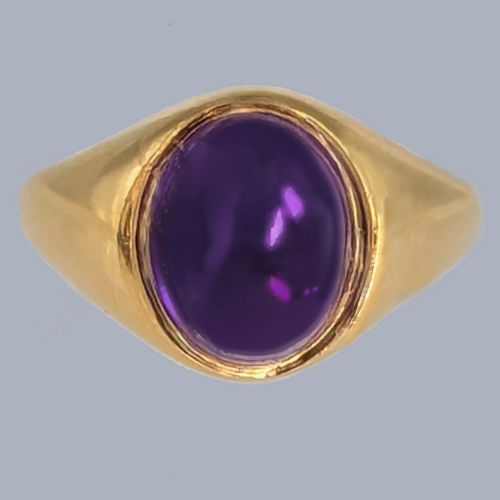
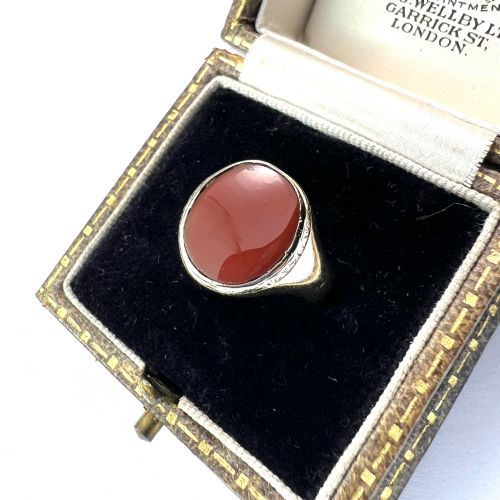
Materials range from 9ct and 18ct yellow, white, and rose gold to base metals like bronze, paired with hardstones such as carnelian, agate, bloodstone, and onyx.
Materials and construction methods
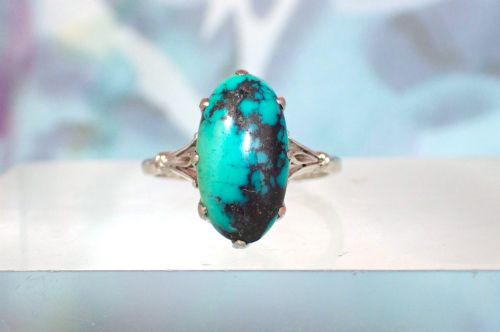
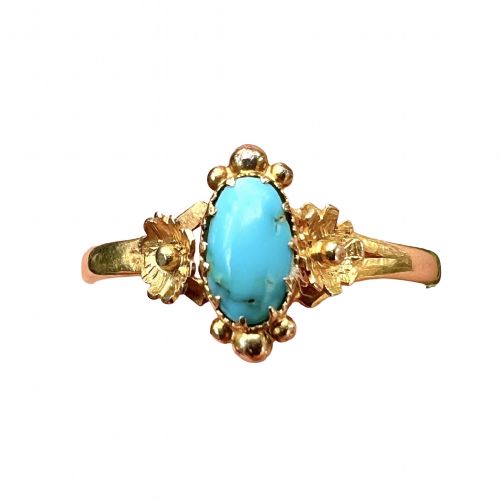
Goldsmiths utilised 9ct, 15ct, and 18ct gold alongside silver and bronze, shaping bands and settings through casting, forging, and hand-finishing. Stones including carnelian, agate, and turquoise were precisely cut and set into bezels.
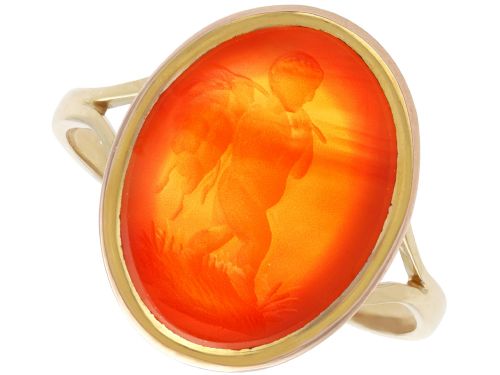
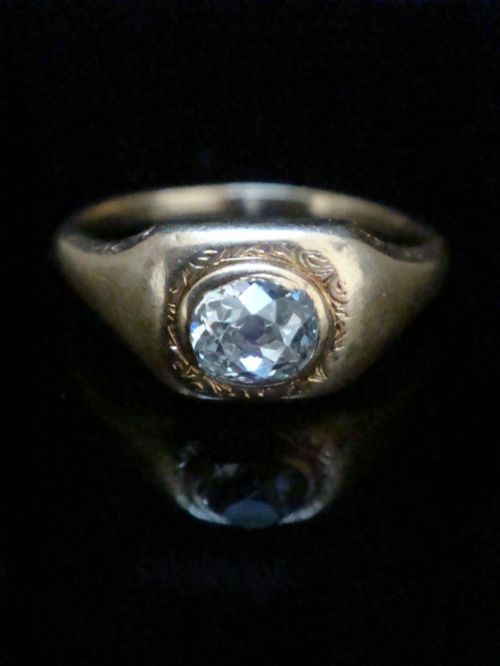
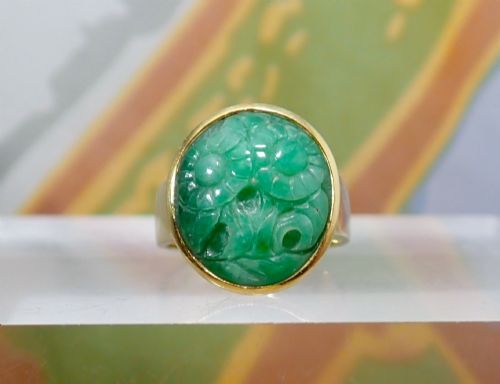
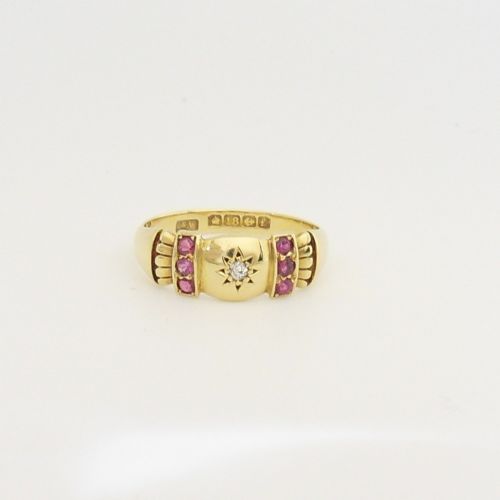
Intaglio designs were hand-carved directly into hardstones or cast into metal seals to leave a raised impression in hot wax. Diamonds, rubies, and emeralds received old cuts, rose cuts, or rubover settings to secure them within the metalwork.
Antique Signet Jewellery Retail Price Guide 2026
Typical asking prices for signet jewellery among the pieces listed under this phrase on Sellingantiques today, from the lower quarter to the upper quarter. They describe what is for sale here now, not the wider market.
Certain Victorian rings incorporate secret spinning mechanisms and woven human hair beneath glass panels alongside traditional stone seals.
Distinctions in quality and execution
The standard of antique signet jewellery depends upon the crispness of the hand-carved intaglio or engraving, where depth and detail in stones like carnelian or agate distinguish master work from simpler output. Metalwork execution, such as the neatness of rubover diamond settings or integrated shoulders, marks the difference between standard workshop production and finer commissions.
Material selection also dictates hierarchy, with high-carat gold and flawless natural hardstones occupying the upper tier compared to lower-carat alloys or basic cast bronze. Preservation of the original seal face without excessive wear to the carved motif maintains the historical integrity and visual strength of the piece.
The Antique Signet Jewellery Glossary
- Intaglio
- A gemstone or metal seal carved beneath the surface so that the design creates a raised impression when pressed into wax. This technique has ancient origins and remains central to signet rings and fobs.
- Gypsy ring
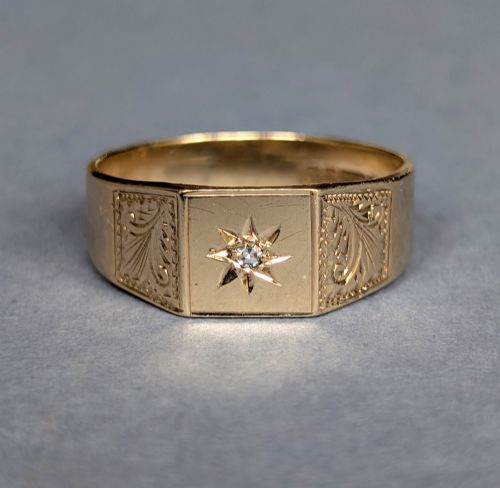
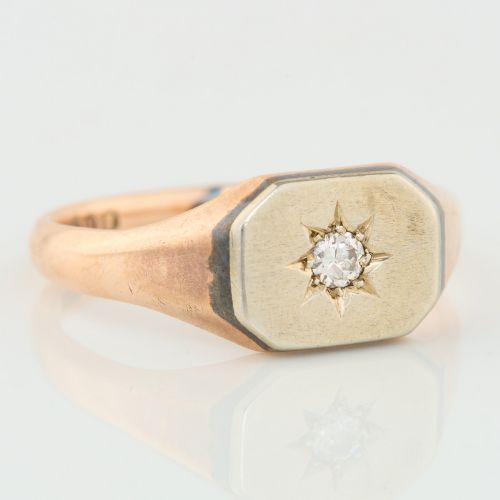
- A style of ring featuring a flush or star-set stone where the metal slopes smoothly up from the band to the gem. It enjoyed great popularity during the Victorian and Edwardian periods.
- Fob seal
- A small pendant or spinning seal attached to a pocket watch chain, bearing a carved stone or metal face for stamping wax. Examples frequently incorporate carnelian, bloodstone, or swivel mechanisms.
- Hardstone
- A semi-precious gemstone of high mineral hardness, such as agate, carnelian, onyx, or jasper, utilised for durable intaglio carving.
- Rubover setting
- A mounting style where a collar of metal is pushed or rubbed over the edge of the gemstone to secure it firmly in place. It provides a clean, smooth outline typical of antique and period jewellery.
Antique Signet Jewellery: Frequently Asked Questions
How do I wear an antique signet ring?
Signet rings are traditionally worn on the pinky finger or the ring finger, depending on personal preference and regional custom.
Modern wearers often pair them with contemporary bands or wear them alone as a statement of heritage.
What stones are found in signet rings?
Common stones include carnelian, agate, bloodstone, and onyx, selected for their durability and suitability for intaglio carving.
Diamonds and other precious gems also appear flush-set into the shoulders or bezel of the ring.
How can I tell the age of a ring?
Age is determined by hallmarks, metal purity standards like 15ct gold, and specific stylistic markers such as Victorian gypsy settings or Edwardian platinum work.
Carving styles and the shape of the hoop also offer clear indications of the period of manufacture.