

Antique Sideboard with Top
An antique sideboard with top brings together robust timber carcasses and cool stone or timber superstructures from the eighteenth century onwards.
Antique Sideboard with Top
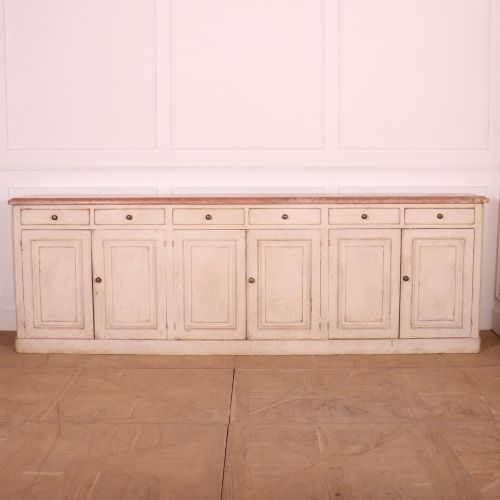
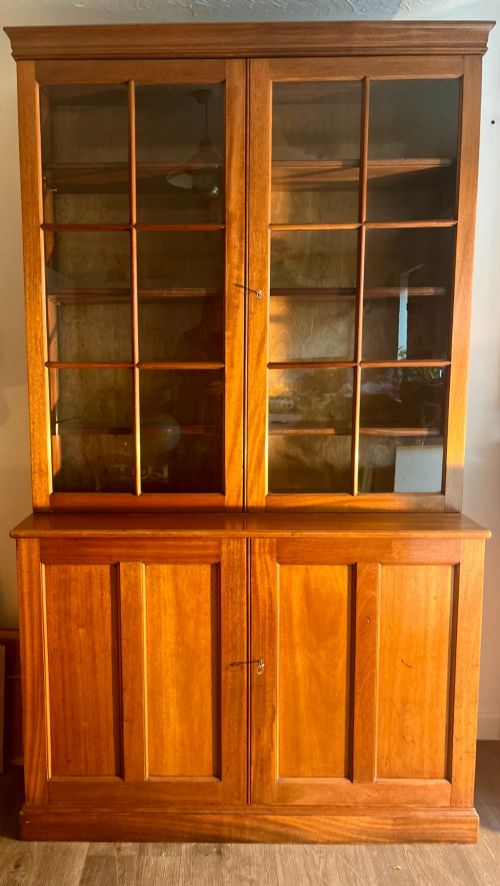
An antique sideboard with top spans substantial timber storage bases paired with an upper section such as a marble slab, mirror back, raised gallery, plate rack or top shelf. These pieces originate across the eighteenth, nineteenth and early twentieth centuries, drawing on Victorian, Edwardian, French Provincial, Louis XVI Revival and Henri II styles.
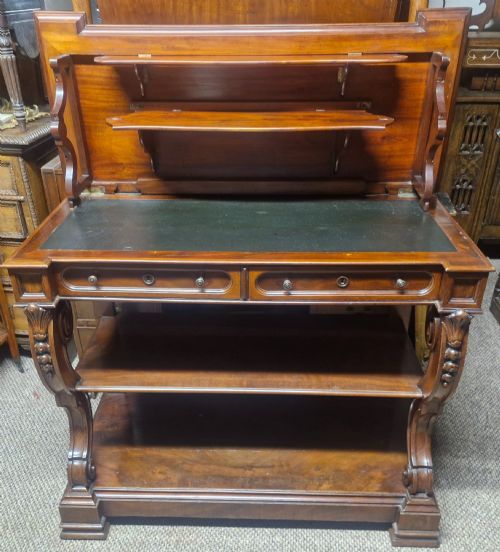
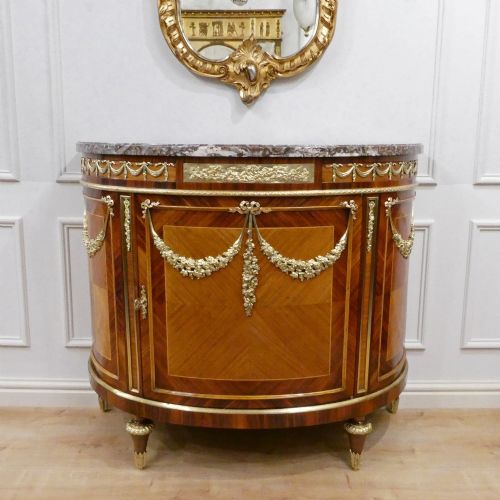
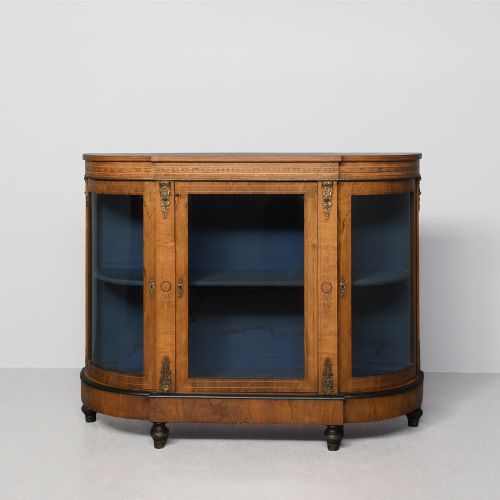
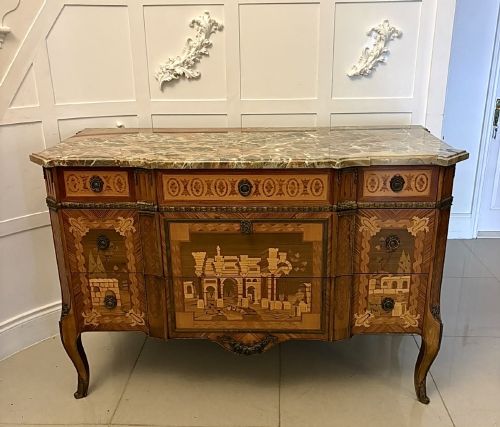
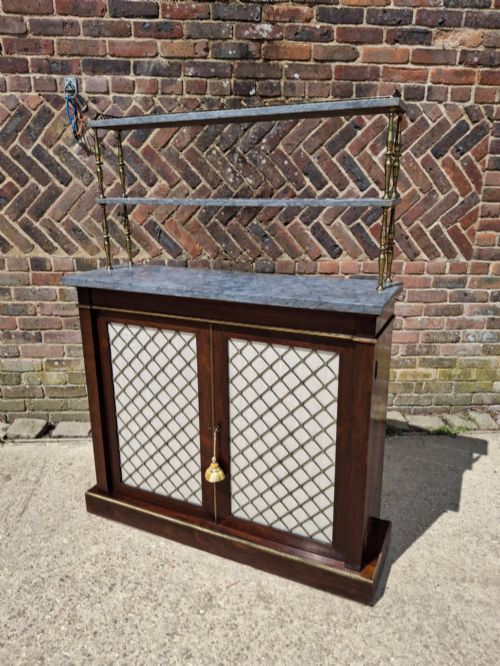
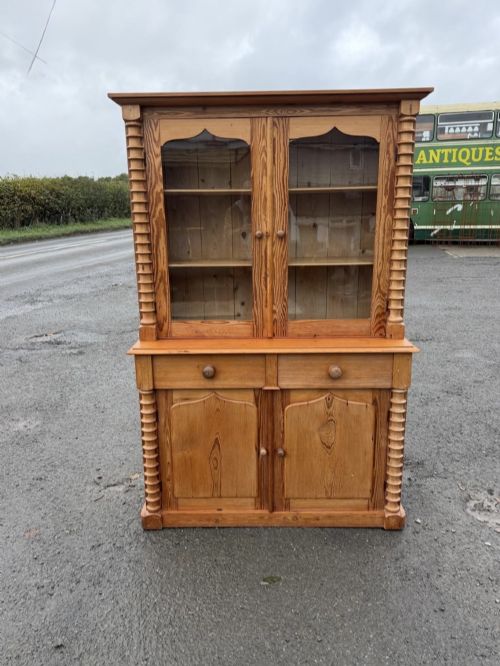
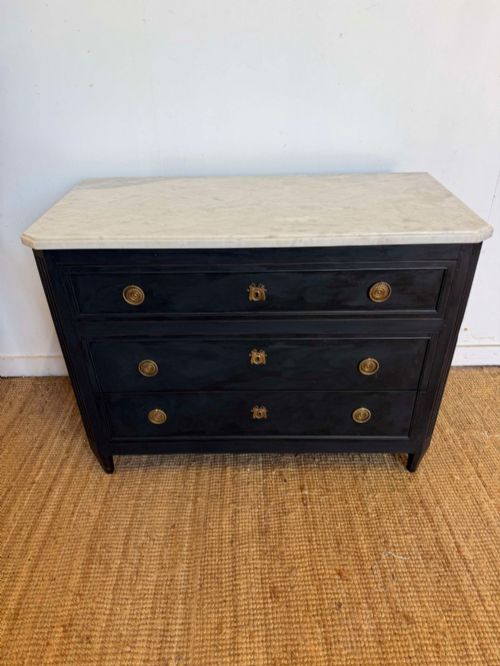
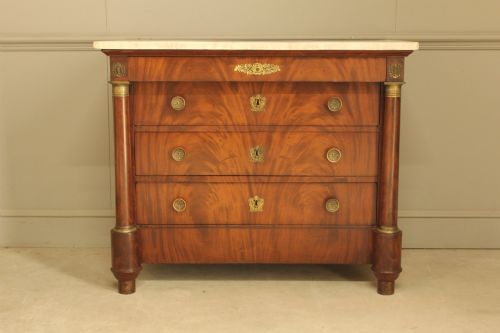
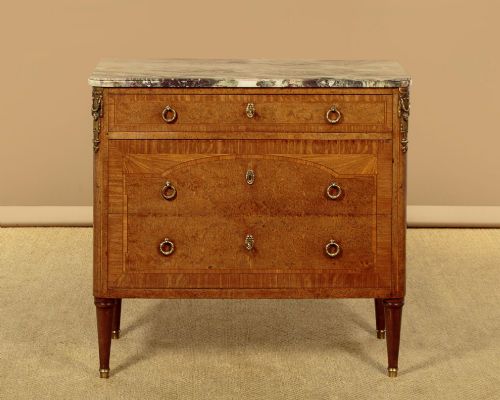
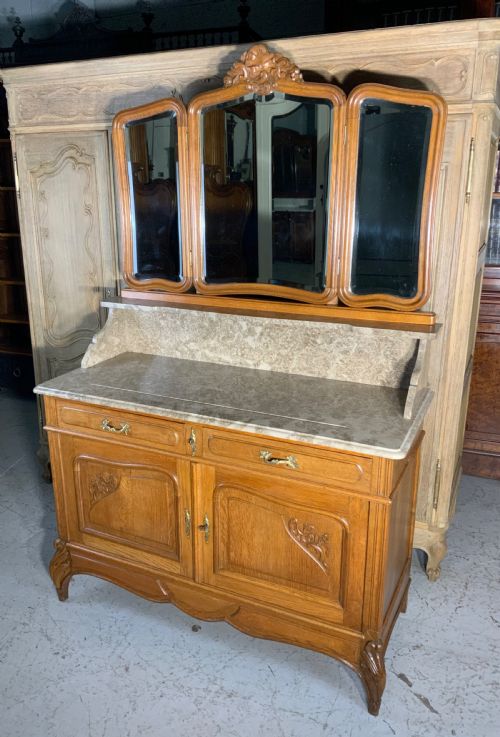
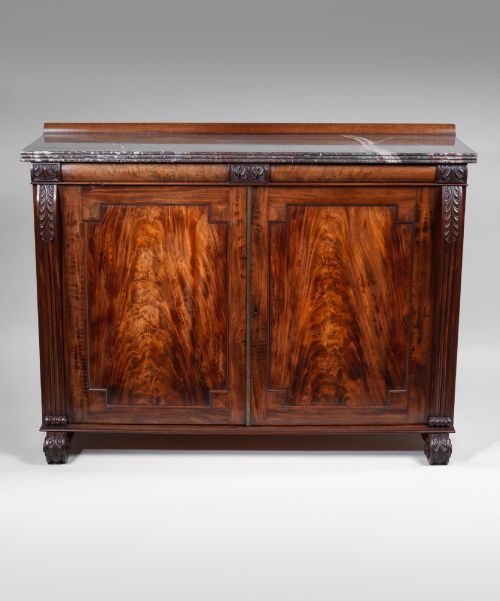
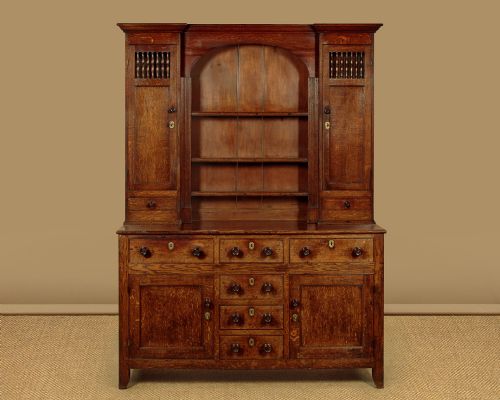
The versions most commonly met on this page include Victorian burr walnut credenzas with mirror backs and marble slabs, Edwardian oak and walnut washstands with stone tops, and French commodes featuring fitted marble surfaces. Alongside these sit oak dressers complete with original plate racks and mahogany chiffoniers fitted with top shelves.
Cabinetmakers constructed these forms from timbers such as mahogany, oak, walnut, rosewood and fruitwood, frequently incorporating brass, ormolu mounts and glass details. The upper elements transform a simple low base into a taller display or serving surface designed to hold ceramics, glass or decorative objects.
Materials and construction methods
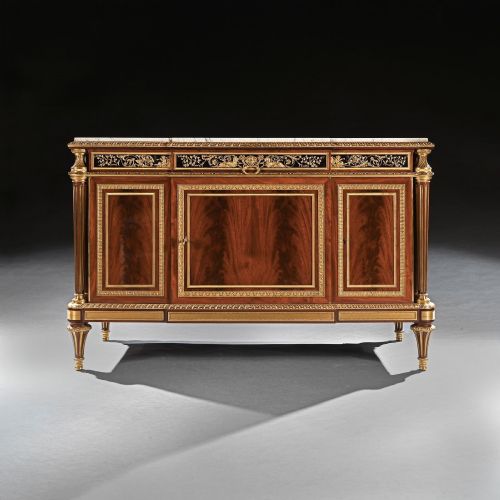
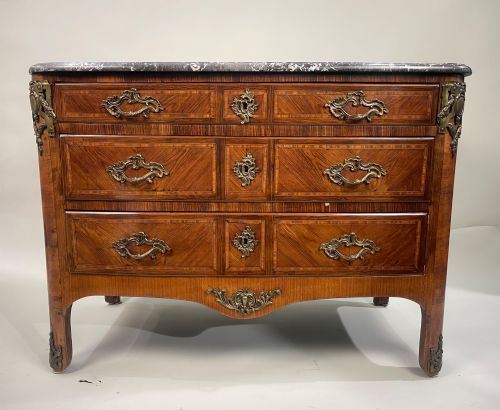
Cabinetmakers built the carcass frames using dense hardwoods like mahogany, oak, walnut and rosewood, often applying burr walnut, tulipwood, palisander or fruitwood veneers to prominent surfaces. Parquetry and floral marquetry patterns decorate many of the French and English pieces, using contrasting grain directions and timbers.
Stone forms a primary component for the upper surfaces, with Carrara marble and other marbles fitted directly to the tops of commodes, credenzas and washstands. Metal mounts in brass, gilt metal and ormolu secure corners and frame doors, while glass panels feature in glazed cabinets and display sections.
Antique Sideboard with Top Retail Price Guide 2026
Typical asking prices for sideboard with top among the pieces listed under this phrase on Sellingantiques today, from the lower quarter to the upper quarter. They describe what is for sale here now, not the wider market.
Listings feature periods spanning from the 18th century through the Victorian and Edwardian eras up to the early 20th century.
Evaluating craftsmanship and detail
The refinement of carved ornament and timber selection determines the standing of a piece, separating standard utility furniture from high-status examples. Elaborate mirror backs, hand-chiselled ormolu mounts and precise parquetry indicate workshop attention.
The integration of the upper structure with the base reveals the maker's skill. Original stone slabs fitted cleanly to timber frames, sound door alignment and intact internal shelving demonstrate durable construction across walnut, mahogany and oak builds.
The Antique Sideboard with Top Glossary
- Credenza
- A low dining room sideboard or cabinet, frequently featuring mirror backs and marble tops in Victorian examples. These pieces provided surface space for serving food and displaying silver.
- Enfilade
- A long suite of rooms or, in furniture terms, a grand sideboard or cabinet with multiple doors in a continuous line. French examples in carved oak often adopt this format.
- Ormolu
- Gilt bronze mounts applied to furniture edges and feet for decorative effect. Makers used these metallic details extensively on French commodes and cabinets.
- Parquetry
- Geometric wood inlay work forming repeating patterns across cabinet doors and drawer fronts. Artisans utilised contrasting timbers like tulipwood and walnut to achieve crisp lines.
- Chiffonier
- A small sideboard or low cupboard developed in the nineteenth century, often equipped with a shelf or gallery top. Rosewood and mahogany versions frequently housed books or tableware.
Antique Sideboard with Top: Frequently Asked Questions
How do I date an antique sideboard with top?
Dating relies on combining timber choice, hardware style, construction methods and prevailing design movements. Georgian and Regency pieces show simpler lines or classical veneers, while Victorian and Edwardian examples often feature heavy carvings, mirror backs or marble slabs.
Examining drawer linings, backboards and fixings helps establish whether the upper section and base are contemporary with one another and correctly attributed to their period.
Where were these pieces used originally?
These pieces served multiple rooms depending on their exact form and upper configuration. Dining rooms and parlours held credenzas, chiffoniers and buffet sideboards for serving food and displaying ceramics.
Bedrooms and dressing rooms utilised washstands and marble-topped commodes, while kitchens and pantries relied on oak and pine dressers with plate racks for everyday storage.
How should I care for marble-topped sideboards?
Marble surfaces require regular dusting with a soft, dry cloth and prompt wiping of spills to prevent staining, particularly from acidic liquids. Avoid abrasive cleaners that can dull the stone polish.
Treat the supporting timber frame with appropriate furniture wax according to its finish, keeping the piece away from direct heat sources and strong sunlight.