


Antique Side Leaf Table
An antique side leaf table offers compact utility with folding flaps, serving as a versatile surface that expands when needed in domestic spaces.
Antique Side Leaf Table
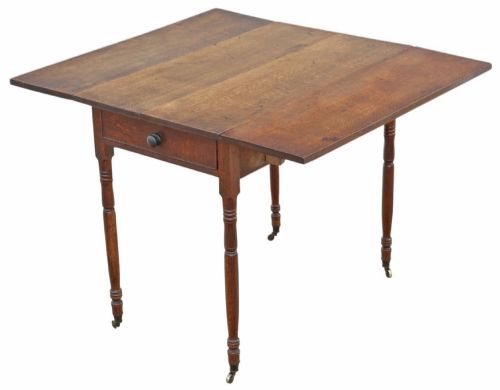
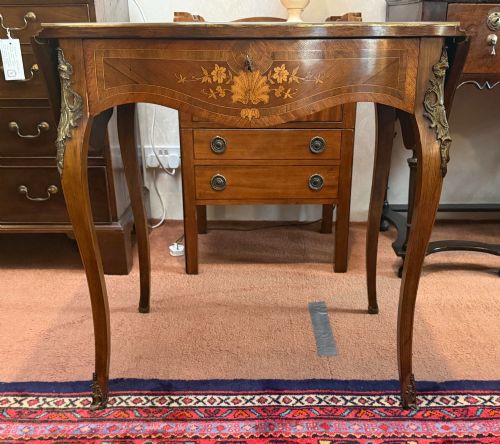
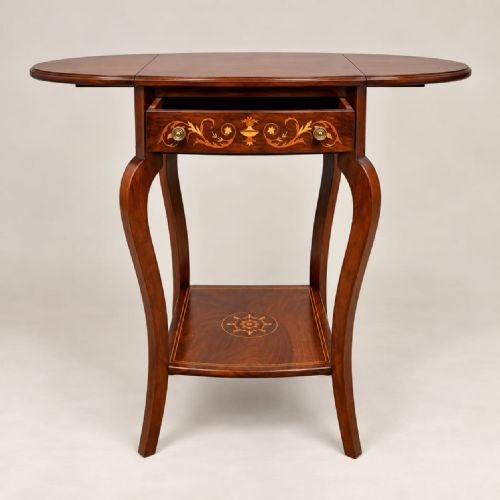
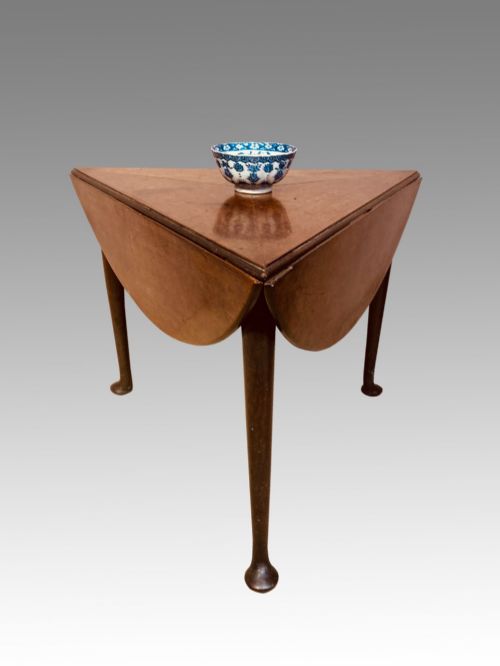
An antique side leaf table combines a central fixed top with hinged drop leaves supported by folding brackets, rule joints, or swing legs. These pieces appear across 18th-century, Georgian, Regency, Victorian, and Edwardian periods.
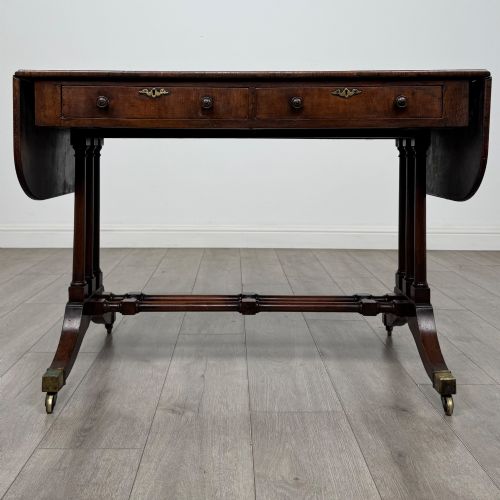
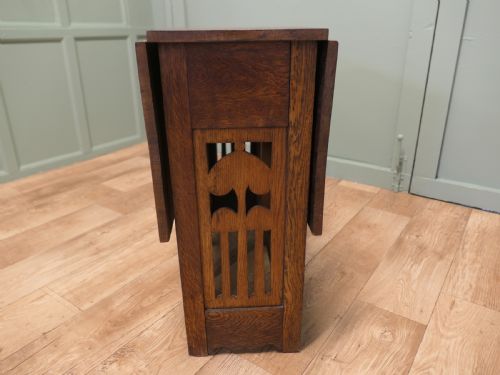
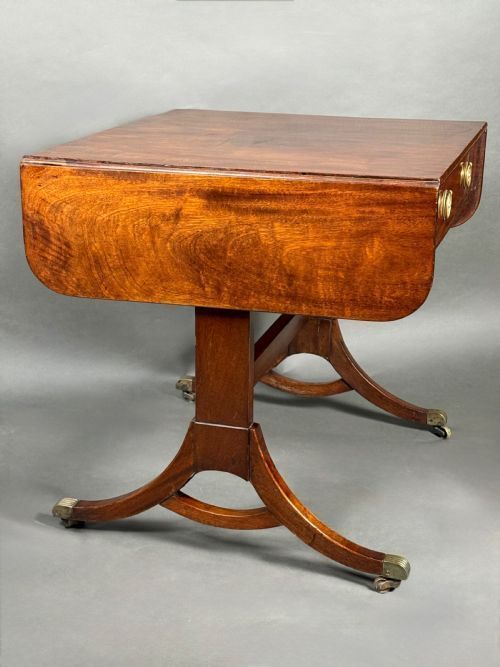
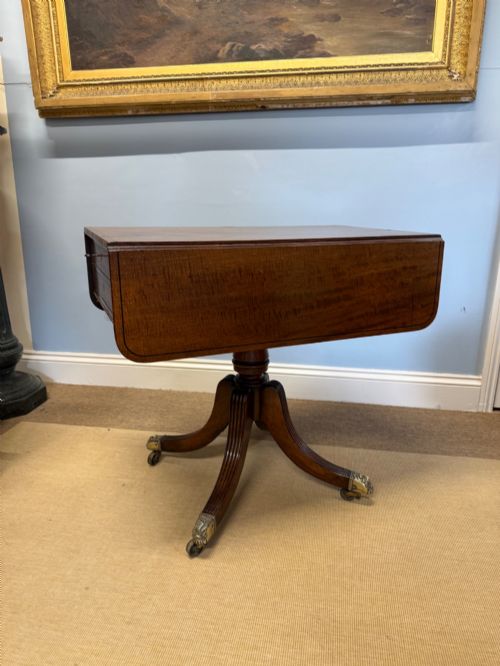
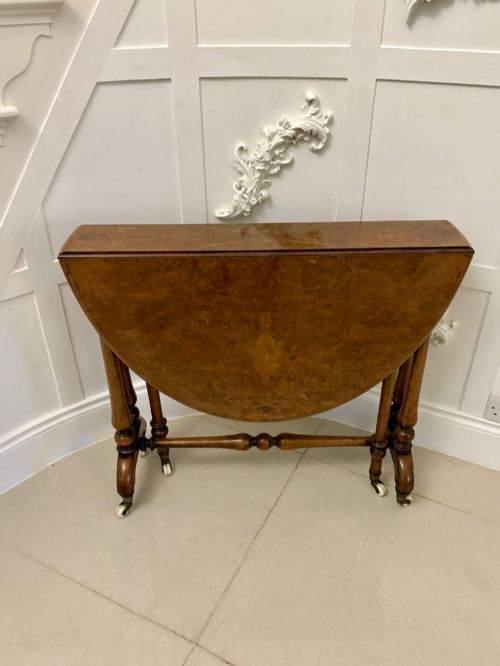
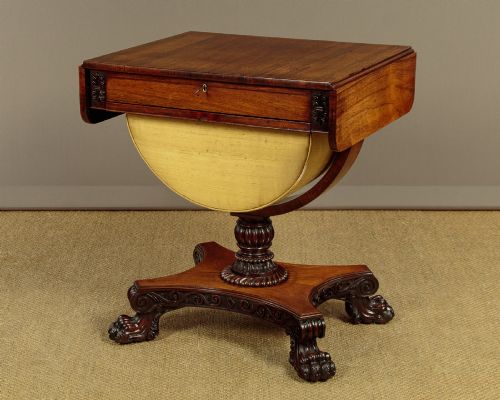
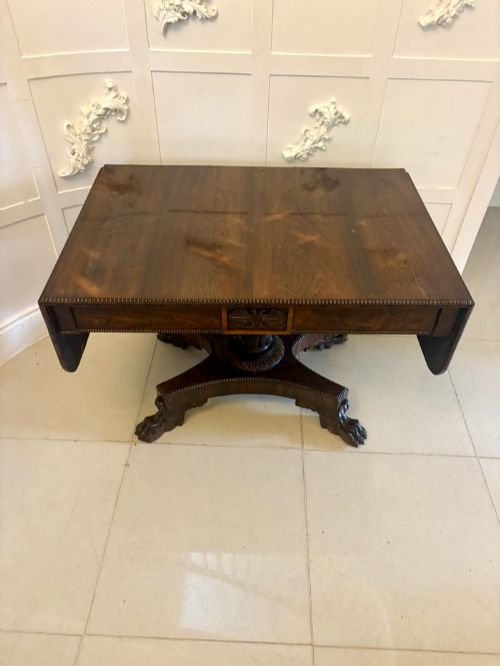
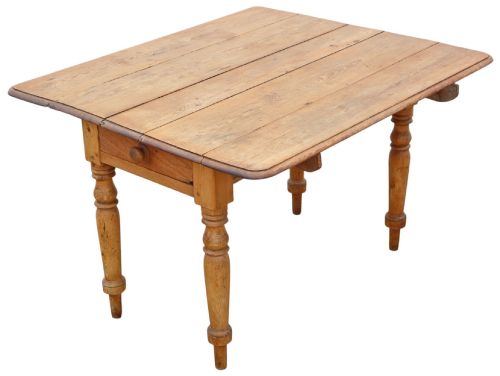
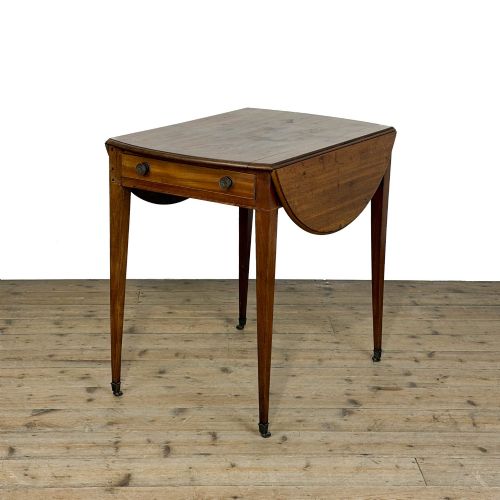
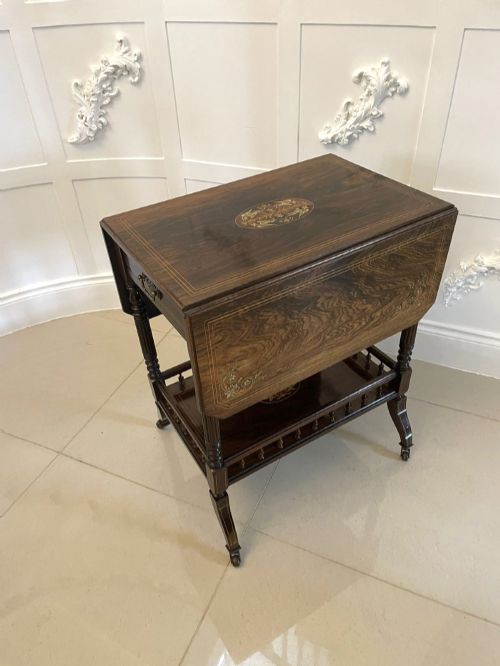
The versions met most frequently on this page include mahogany Pembroke tables, rosewood sofa tables, and burr walnut Sutherland tables. Oak gateleg and drop-leaf occasional tables also feature prominently from earlier periods and revival styles.
Craftsmanship and Proportion
Quality rests in the selection of timber grain, the crispness of inlaid details, and the integrity of the pivoting mechanism supporting the leaves. Superior examples maintain balanced proportions whether the leaves are raised or lowered.
Finer tables display original brass castors, well-fitted drawers with dovetail construction, and smooth movement in the drop-leaf supports without structural sagging at the joints.
Some Victorian sewing tables include tiny fitted compartments for wooden thread spools and ivory bobbins.
The Antique Side Leaf Table Glossary
- Pembroke table
- A small rectangular table featuring two hinged drop leaves on opposing sides, frequently containing one or more small drawers.
- Sutherland table
- A narrow drop-leaf table with exceptionally small leaves and deeply folding legs that allow the top to fold almost completely flat.
- Gateleg table
- A table supported by hinged legs that swing outward like a gate to bear the weight of extended drop leaves.
- Rule joint
- A moulding joint used on drop-leaf tables where a concave edge on the fixed top meets a convex edge on the leaf, hiding the hinge.
- Sofa table
- A long, narrow freestanding table traditionally placed behind a sofa, equipped with drop leaves at either end.
Antique Side Leaf Table: Frequently Asked Questions
What is an antique side leaf table used for?
These tables served various domestic purposes including writing, sewing, and small-scale dining. Their folding leaves allowed them to sit compactly against a wall until expanded for use.
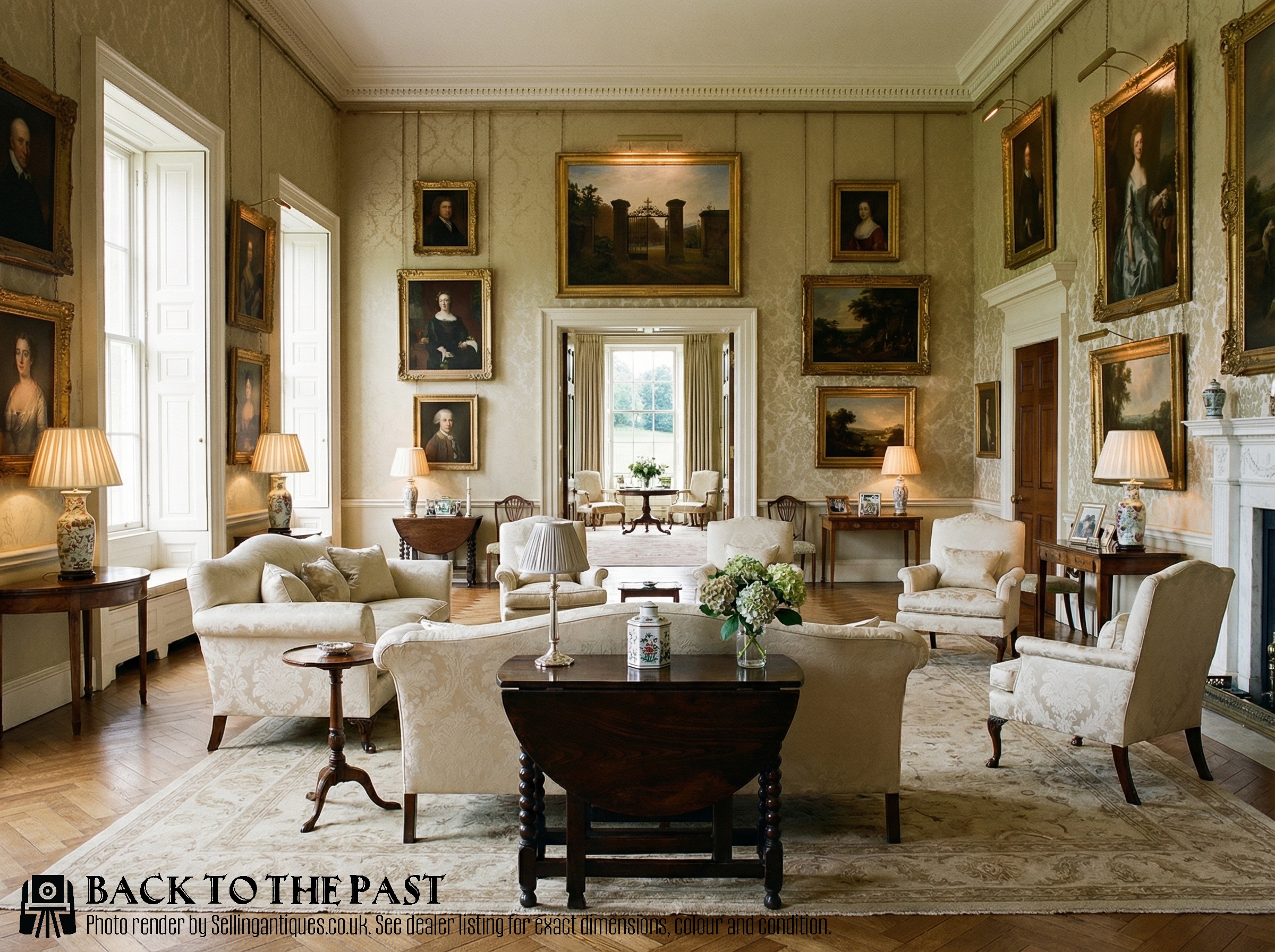
Today they function effectively as lamp tables, bedside surfaces, or small desks in rooms where floor space is limited.
How do I tell a Pembroke table from a Sutherland table?
A Pembroke table typically has relatively small drop leaves and sturdy fixed legs, often accompanied by a drawer. They were designed for multipurpose parlour use.
Sutherland tables feature much larger leaves supported by a complex arrangement of swinging legs, collapsing into an extremely slim profile when closed.
Which woods are most common on these tables?
Mahogany appears frequently across Georgian and Victorian periods, often in figured, flame, or Cuban varieties. Oak is common in earlier gateleg models and Edwardian utility pieces.
Rosewood and burr walnut are also regularly seen, particularly on decorative Regency and Victorian sofa or occasional tables.
How do I care for the timber surface?
Polished hardwood surfaces benefit from applications of quality beeswax to nourish the grain and protect the finish from moisture. Avoid placing them in direct sunlight or near heat sources to prevent timber splitting.
Regular dusting with a soft, dry cloth preserves the patina built up over centuries of use.