




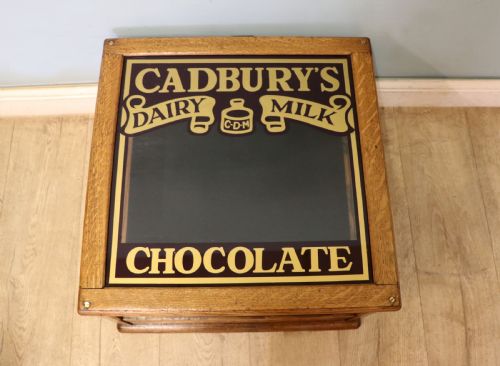


Antique Showcase Box
These antique showcase box pieces, spanning the Victorian and Edwardian eras, offer glazed glass and polished timber protection for treasured possessions and retail goods.
Antique Showcase Box
An antique showcase box is a vessel designed for display, typically taking the form of a countertop cabinet, a bijouterie table, or a specialised glazed display case. These pieces emerge from the mid-nineteenth century through the early twentieth century, encompassing both domestic examples and commercial shop display cabinets.
The domestic forms often appear as burr walnut or mahogany table cabinets and inlaid display tables intended for drawing rooms. Commercial variants include sweet shop display cabinets, apothecary countertop units, and hardwood framed shop counter cases.
Buyers encountering this phrase find items ranging from Victorian Dutch table top cabinets to Edwardian Chippendale Revival display tables and 1920s commercial cases. The selection reflects both the refined needs of Victorian interiors and the burgeoning retail display methods of the early twentieth century.
Materials and construction
Construction relies upon framing timber such as mahogany, oak, walnut, and assorted hardwoods, joined to support glazed glass panels that afford all-round visibility. Brass hardware, including locks and hinges, provides both structural reinforcement and functional closure.
Internal surfaces frequently feature linings of velvet or felt to cushion displayed objects, particularly in jewellery cabinets and bijouterie tables. Commercial examples occasionally incorporate painted signage or later lettering associated with confectionery brands.
Antique Showcase Box Retail Price Guide 2026
Typical asking prices for showcase box among the pieces listed under this phrase on Sellingantiques today, from the lower quarter to the upper quarter. They describe what is for sale here now, not the wider market.
Listings feature items from the Victorian, Edwardian, and 1920s periods, incorporating glass, brass, mahogany, oak, and walnut.
Variations in quality
Quality rests upon the choice of timber and the sophistication of its grain, such as figured burr walnut or carefully selected mahogany, contrasted with simpler utilitarian oak. Cabinetmaking joinery, the neatness of glass rebate work, and the integration of brass mounts distinguish finer domestic pieces from standard commercial counters.
The presence of original fitted interiors, working locks with keys, and untouched interior linings elevate a piece. Commercial units derive their interest from authentic period lettering, original glass, and surviving structural integrity despite heavy retail use.
Cadbury's·Venus Pencil
The Antique Showcase Box Glossary
- Bijouterie table
- A glass-topped table designed specifically for displaying small valuables, trinkets, and curiosities. These typically feature hinged lids and velvet-lined interiors.
- Countertop cabinet
- A display case proportioned to sit atop a shop counter or table, providing eye-level merchandise presentation. They often feature rear doors for access by the vendor.
- Burr walnut
- A highly prized timber veneer showing swirling, knotty grain patterns formed at the tree's roots. It was favoured by cabinetmakers for luxury Victorian display surfaces.
- Gilt bronze
- Metal mounts or ornaments coated in a thin layer of gold, adding decorative enrichment to the corners and frames of select cabinets.
- Rebate
- A recess or groove cut into the edge of timber framework to hold panes of glass securely in place.
Antique Showcase Box: Frequently Asked Questions
What is a bijouterie table?
A bijouterie table is a specialised display piece featuring a glazed top and a shallow, velvet-lined well beneath for exhibiting small personal ornaments and collectables.
These tables were placed in drawing rooms so hosts could showcase delicate items to visitors.
How were countertop cabinets used?
Countertop cabinets sat upon shop counters to present confectionery, writing instruments, and pharmaceutical goods directly to customers while keeping stock secure.
Commercial establishments relied on these glazed enclosures to encourage impulse purchases.
What timbers were used?
Cabinetmakers utilised mahogany, oak, and walnut, frequently selecting figured veneers like burr walnut for decorative impact on domestic pieces.
Commercial cases often employed sturdier timbers or simpler hardwoods suited to daily retail environments.
How do I date these pieces?
Dating relies upon stylistic markers, timber types, and construction methods associated with Victorian, Edwardian, and early twentieth-century periods.
Commercial pieces often bear lettering or styles tied to known manufacturers and retail practices of the 1920s and 1930s.