



Antique Shop Mirror
An antique shop mirror brings the functional heritage of historic retail into domestic rooms, offering both generous reflective glass and robust commercial craftsmanship.
Antique Shop Mirror
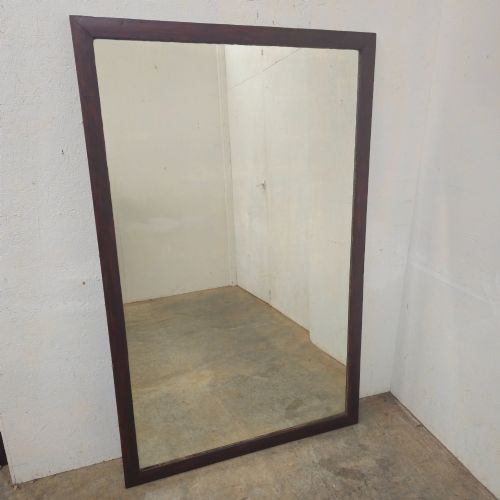
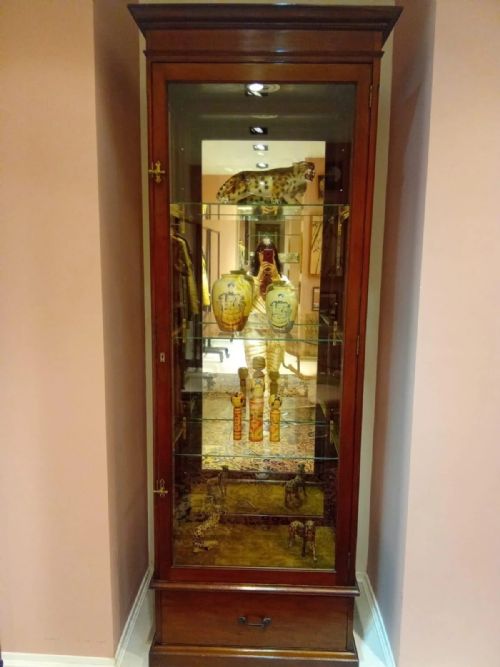
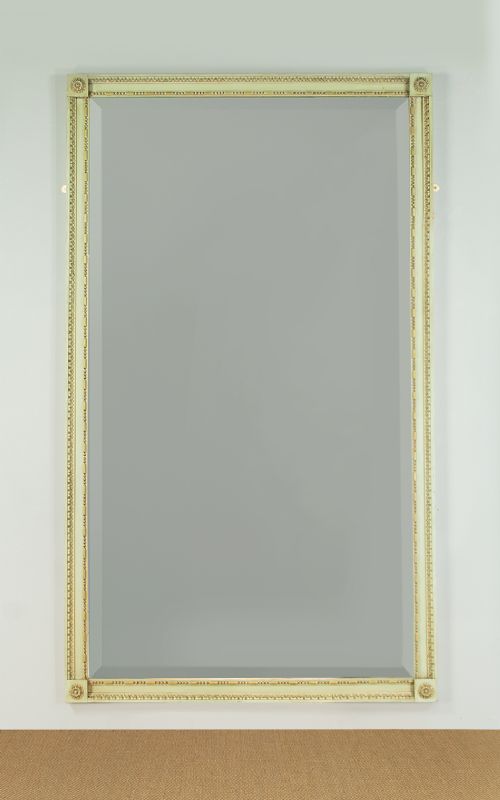
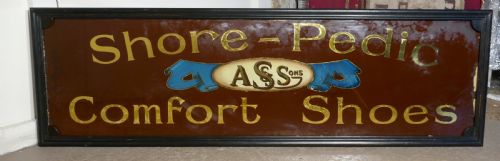
An antique shop mirror encompasses commercial retail items, from large haberdashery dressing glasses and multi-convex wall plates to specialised advertising signs and countertop display cases with mirrored interiors.
The pieces on this page lean heavily towards early twentieth-century Edwardian and Victorian commercial designs, alongside Regency cheval mirrors and Art Deco sweet shop cabinets.
Buyers seeking this phrase frequently encounter robust oak and mahogany frames, ebonized finishes, and specialised vendor branding intended originally for shoe shops, jewellers, and general outfitters.
How they were made
Makers utilised dense hardwoods such as mahogany and oak to construct heavy frames and display carcases capable of withstanding daily retail traffic, often enhanced with brass hardware.
Surfaces received decorative treatments including gesso, dark paint, and ebonisation, while glass plates were fitted inside deep wooden rebates or integrated directly into countertop display fixtures.
Antique Shop Mirror Retail Price Guide 2026
Typical asking prices for shop mirror among the pieces listed under this phrase on Sellingantiques today, from the lower quarter to the upper quarter. They describe what is for sale here now, not the wider market.
Listings span from the Regency period through Victorian and Edwardian eras up to the Art Deco styling of the 1930s.
What varies in quality
The distinction between standard commercial output and superior execution rests upon the depth of timber selection, the crispness of applied gesso mouldings, and the integrity of the original glass plates.
Retail fixtures bearing legible maker inscriptions or original branded advertisements command greater interest than plain utility alternatives, reflecting their specific commercial provenance.
John Stow Ltd of Bradford
The Antique Shop Mirror Glossary
- Cheval mirror
- A freestanding full-length mirror supported on a frame with vertical pivots. This allows the glass to tilt at various angles.
- Haberdashery
- Pertaining to the retail of small articles of dress and sewing. Mirrors and cabinets from these shops were built for durability and display.
- Gesso
- A plaster mix applied to wood surfaces to form a base for paint or gilding. It provides a smooth ground for decorative details.
- Convex mirror
- A curved reflective surface that provides a wide-angle view of a room. These were often used in shops for security or display purposes.
Antique Shop Mirror: Frequently Asked Questions
Where were shop mirrors used?
These mirrors and mirrored cabinets served commercial environments such as drapery shops, jewellers, and haberdasheries. Merchants placed them on counters or hung them on walls to assist customers with fittings.
Over time, these robust fixtures transitioned from high street retail into domestic interiors, where their large scale and utilitarian framing suit hallways and dressing rooms.
How do I identify a commercial mirror?
Commercial pieces typically feature heavier timber framing, robust brass pivots, and occasionally direct branding or painted advertisements relating to specific nineteenth and twentieth-century makers.
They are built to endure heavy public use, distinguishing them from domestic bedroom furniture of the same period through sheer weight and functional design.
Are these mirrors easy to hang?
Due to solid wood frames and thick glass plates, many wall-hanging commercial mirrors possess considerable weight. Secure wall fixings into masonry or structural studs are essential.
Floor-standing cheval and countertop variants require stable placement on level surfaces rather than wall support.
What styles are available?
The selection ranges from Regency and Victorian utility designs to Edwardian oak frames and Art Deco vendor cabinets. Each style reflects the prevailing commercial aesthetics of its decade.
Ebonised finishes and mahogany display cases represent the darker, polished tones favoured in late nineteenth and early twentieth-century retail spaces.