








Antique Shop Furniture
Antique shop furniture brings commercial history straight into domestic spaces, offering sturdy counters and cabinets built to work hard.
Antique Shop Furniture
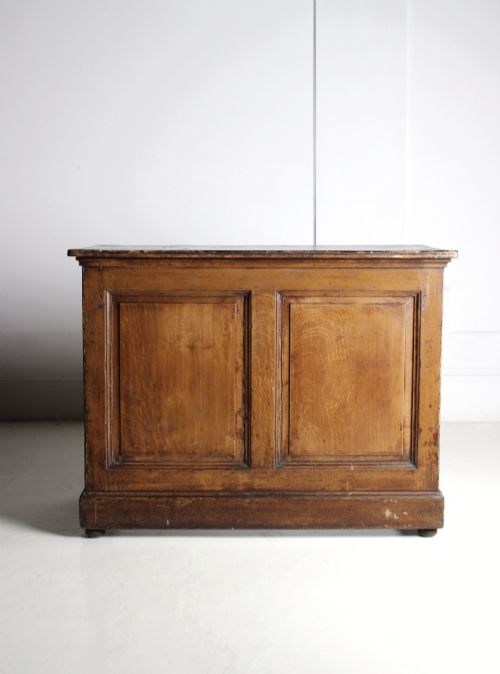
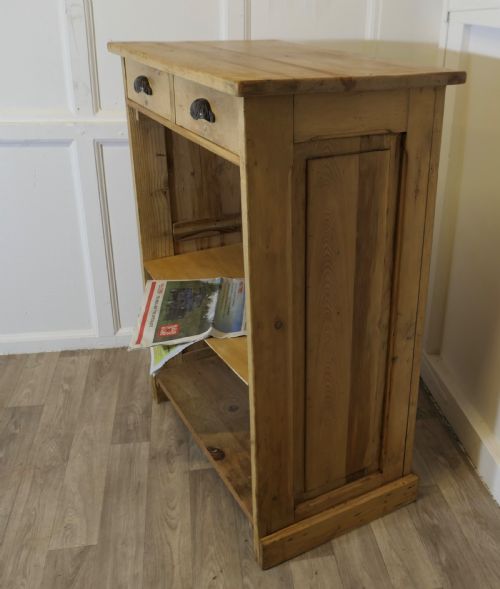
When searching for antique shop furniture, buyers encounter utilitarian items built for commercial trades from the nineteenth and early twentieth centuries. These pieces encompass shop counters, display cabinets, watchmaker cabinets, and advertising chairs.
The versions most frequently met on this page include painted pine shop counters and Victorian chests of drawers bearing sign writing. Originating from distinct commercial environments, these objects carry the functional marks of everyday mercantile use.
Surviving examples span several decades, ranging from early Victorian pieces to 1930s interwar commercial designs. Each form reflects the specific demands of shopkeepers, merchants, and hotel receptionists of the era.
Materials and construction
Makers utilised robust timbers such as pine, oak, and mahogany to withstand the heavy daily demands of retail and trade. Painted surfaces, faux finishes, and ebonised treatments were frequently applied to alter the appearance of these functional woods.
Metal components like brass, cast bronze, and beaten copper provided necessary durability for door hardware, pulls, and embossed panels. Glass was incorporated into display cabinets and counters to protect merchandise while maintaining visibility.
Sign writing and hand-applied lettering identified merchants and products directly onto timber surfaces, combining structural carpentry with commercial advertising. Pigeon holes and fitted drawers utilised straightforward joinery to organise small items efficiently.
Antique Shop Furniture Retail Price Guide 2026
Typical asking prices for shop furniture among the pieces listed under this phrase on Sellingantiques today, from the lower quarter to the upper quarter. They describe what is for sale here now, not the wider market.
Listings feature items spanning the Victorian era through the 1930s interwar commercial period.
Distinctions in quality
The caliber of antique shop furniture rests on the integrity of the original commercial timber and the preservation of authentic surface treatments. Pieces retaining their original painted signage or faux graining hold greater documentary interest than stripped examples.
Construction methods dictate everyday utility, with well-joined drawers and solid brass or bronze mounts separating standard utilitarian items from finer retail fittings. The complexity of the internal configuration, such as specialised watchmaker compartments, also elevates the standard of the piece.
French and English origins present different aesthetic choices, from panelled oak counters to pitch pine campaign chests adapted for retail. The presence of maker stamps or distinct trade attributions adds a definitive layer of historical provenance.
Trussant & Cie·Watsons Matchless Soap·Smiths Agricultural
The Antique Shop Furniture Glossary
- Shop counter
- A substantial retail table or workstation designed for serving customers and conducting transactions. These typically feature heavy timber construction and sometimes incorporate display glazing or storage drawers.
- Campaign chest
- A portable set of drawers originally made for travel and military use, which frequently found secondary application in retail settings. They are constructed in sections with recessed brass fittings for durability.
- Ebonised
- Wood finished with a dark stain or polish to imitate expensive ebony. This technique was popular for achieving a formal appearance on display cabinets.
- Pigeon hole cabinet
- A small storage unit divided into numerous open compartments for sorting letters, papers, or small stock items. They were essential organizational fixtures in offices and mercantile shops.
- Sign writing
- Hand-painted lettering applied directly to wood or glass surfaces to display business names or product advertisements. Surviving examples offer direct evidence of historic commercial identities.
Antique Shop Furniture: Frequently Asked Questions
What is antique shop furniture?
Antique shop furniture comprises utilitarian fittings, counters, and storage pieces originally built for commercial businesses during the nineteenth and early twentieth centuries. These items include display cabinets, advertising chairs, and sign-written chests of drawers.
Buyers seek them for their robust construction and historical character, using them to bring functional storage into modern homes.
How were shop counters used?
Shop counters served as the central workstation for merchants interacting with customers, wrapping goods, and conducting daily transactions. Many incorporated drawers on the staff side and display areas on the customer side.
In contemporary spaces, they function effectively as kitchen islands, sideboards, or reception desks.
How do I identify Victorian pieces?
Victorian shop furniture typically exhibits specific timber choices such as mahogany or pine, often complemented by hand sign writing and brass hardware. The construction methods reflect nineteenth-century carpentry standards without modern mechanical fasteners.
Stylistic cues also point to the period, including classic revival details and utilitarian joinery designed for heavy commercial use.
How do I live with shop counters?
Living with antique shop furniture involves integrating robust commercial pieces into residential floor plans where their size and utility can shine. Their deep surfaces and numerous drawers provide practical storage solutions for kitchens, hallways, or living areas.
Maintaining these pieces requires respecting their original finishes, whether painted pine, polished mahogany, or exposed oak.