






Antique Shop Display Sign
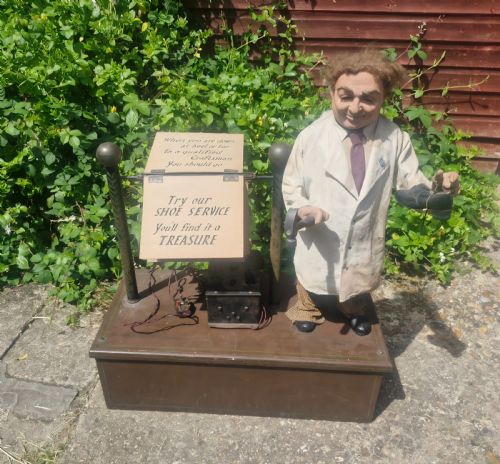
An antique shop display sign captures the commercial character of past high streets through trade figures, painted boards, and glazed cabinets.
Antique Shop Display Sign
An antique shop display sign encompasses trade figures, painted timber boards, glazed countertop cabinets, and advertising models originating from the eighteenth century to the mid-twentieth century.
The selections span the Victorian, Edwardian, and industrial eras, incorporating utilitarian hardware sample boards, clock face displays, and grocery cabinets bearing hand sign written lettering.
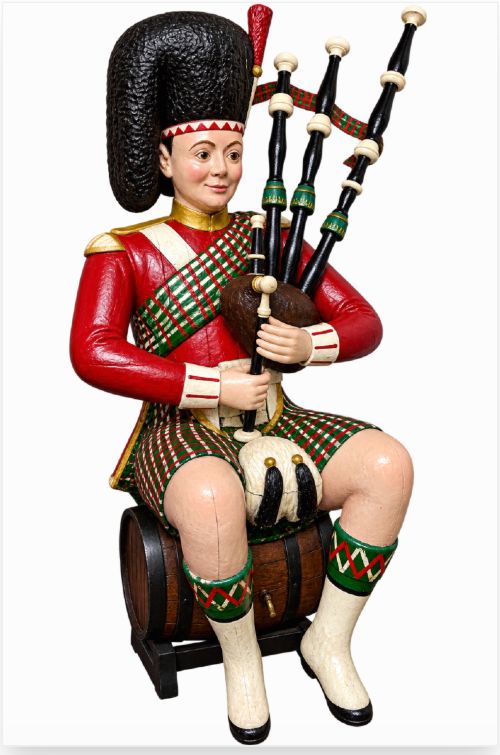
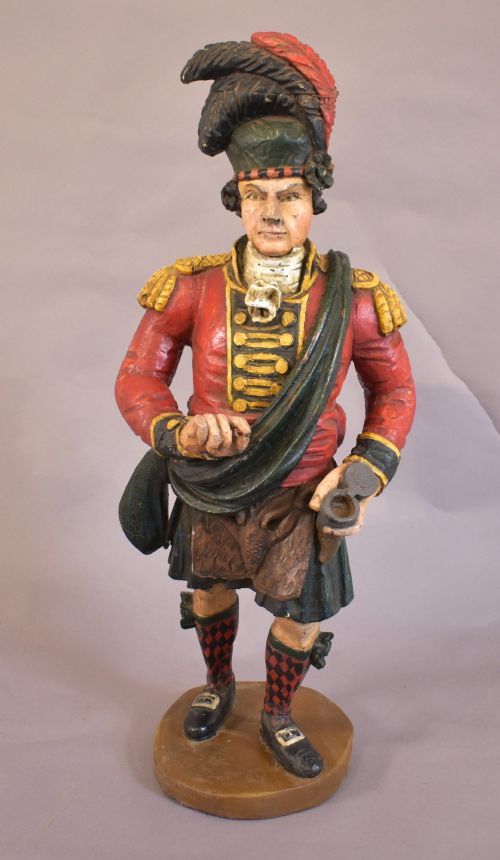
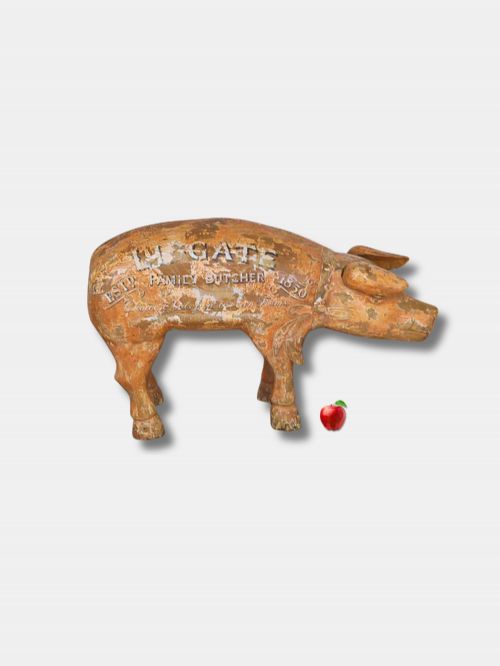
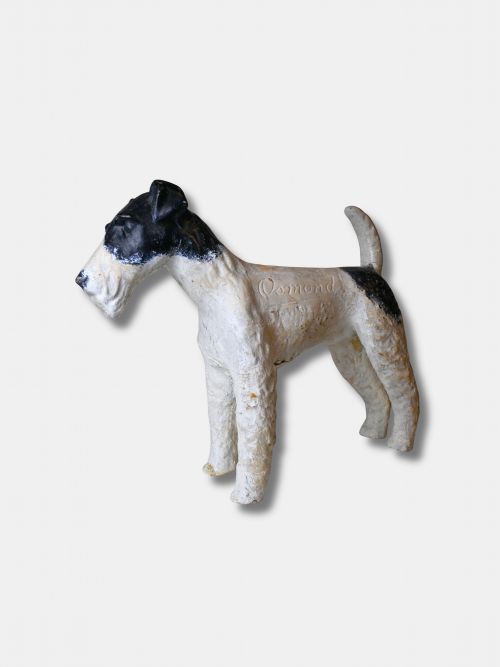
Buyers encounter trade figures depicting Highlanders, tobacconist figures, and animal sculptures alongside wall-hung painted signs and specialised display units created for commercial premises.
Materials and construction
Makers utilised solid timbers such as mahogany, oak, walnut, and hardwoods to build sturdy trade cabinets and carved figures, often pairing them with glass panels for countertop display.
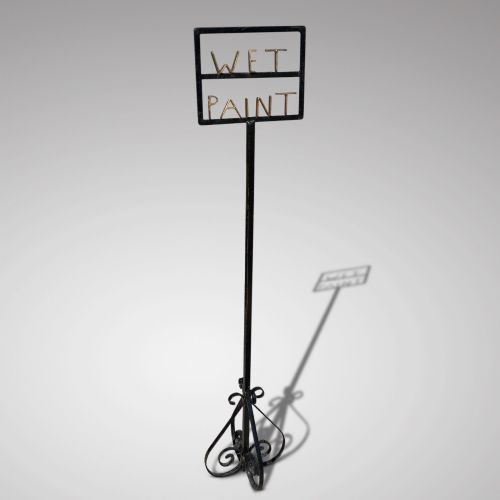
Painted finishes, hand-applied sign writing, and wrought iron elements provide the visual lettering and structural framing found on commercial trade signs and advertising boards.
A cast iron pig painted for a butcher's window once advertised pork with sixteen kilograms of solid weight.
Evaluation of quality
Distinctions in quality rest upon the crispness of the original hand-painted lettering, the depth of carving in trade figures, and the survival of untouched painted surfaces on wood and iron.
Pieces featuring authentic period signage integrated with well-proportioned glazed cabinetry or solid timber frames demonstrate superior craftsmanship compared to lesser commercial items.
Gerwin And Co Birmingham·Josef Herzog·Aitchison
The Antique Shop Display Sign Glossary
- Trade sign
- A board or sculptural figure displayed outside or inside a shop to advertise the specific merchandise or services sold within. These objects formed the primary visual language of nineteenth-century retail streets.
- Sign written
- Lettering applied by hand to timber, glass, or metal using signwriter's paint and brushes. This traditional technique produced the commercial branding seen on period cabinets and advertising boards.
- Countertop display cabinet
- A glazed wooden case placed upon a shop counter to showcase small goods to customers. They frequently feature hinged rear doors for easy access by the shopkeeper.
- Trade figure
- A carved or composition sculpture representing a character, animal, or product associated with a particular trade. Examples include tobacco figures and animal displays used by butchers or grocers.
Antique Shop Display Sign: Frequently Asked Questions
What is an antique shop display sign?
An antique shop display sign is a piece of commercial advertising material, painted board, trade figure, or glazed cabinet used in retail premises during the nineteenth and early twentieth centuries.
These items were designed to attract customers and promote specific goods, ranging from tobacco and chocolate to hardware and clothing.
How were shop display cabinets used?
Shop display cabinets sat upon counters or stood against walls inside retail spaces to protect delicate merchandise while keeping it visible to buyers.
Many of these timber and glass cases received later sign written lettering to advertise confectionery, perfume, or grocery brands.
How do I identify a Victorian trade sign?
Victorian trade signs typically employ hand-painted lettering on timber boards, glass, or iron, reflecting the distinct typography and manufacturing methods of the nineteenth century.
Materials like solid mahogany, walnut, and wrought iron commonly indicate nineteenth-century production alongside period folk art carving styles.
Where should I place a trade sign at home?
Trade signs and countertop cabinets suit kitchens, hallways, or living spaces where their graphic lettering and timber construction add industrial or folk art character.
Glazed cabinets function well for displaying small collections, while wall-hung painted signs provide strong vertical focal points.