





Antique Shop Display Jar
These antique shop display jar examples are heavy apothecary vessels and tea canisters that bring distinct shelf presence and period utility to a room.
Antique Shop Display Jar
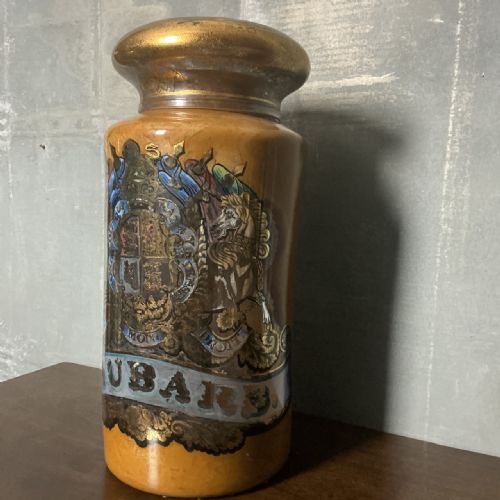
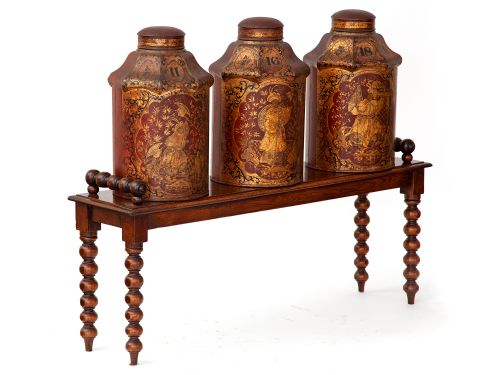
An antique shop display jar serves as a functional vessel originating from nineteenth-century commerce, designed to hold medicinal goods, chemicals, or dry ingredients like tea. These pieces range from substantial Victorian apothecary jars and tall glass carboys to pagoda-style maroon china tea canisters from eighteen seventy.
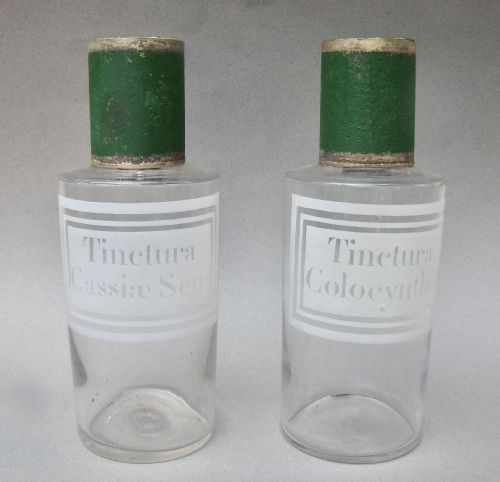
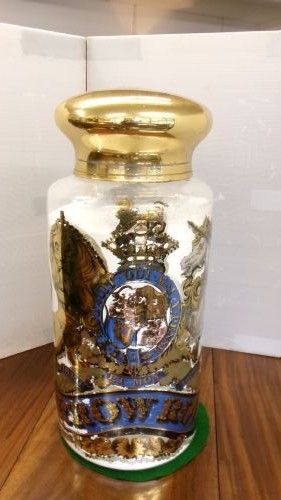
The most common form met here is the large glass chemist jar and apothecary jar, often retaining its original cover and labeled for specific contents such as arrowroot or gelatine. Alongside these glass vessels, buyers encounter French etched glassware from around eighteen ninety and nineteenth-century apothecary styles.
Originating primarily from nineteenth-century England and France, these containers functioned in working shop windows and behind counters before finding their way into domestic display settings. Their robust construction and utilitarian roots define the category today.
Materials and Construction
Makers utilised heavy blown and etched glass for the main body of the apothecary jars and carboys, often pairing them with matching glass covers. These transparent or mercury glass surfaces allowed merchants to showcase contents while protecting them from moisture.
Ceramic production appears in the form of china tea canisters, decorated with paint, gold leaf, and enamel work. Metal and brass elements occasionally supplement the designs, particularly in the fittings and structural mounts of the period.
Antique Shop Display Jar Retail Price Guide 2026
Typical asking prices for shop display jar among the pieces listed under this phrase on Sellingantiques today, from the lower quarter to the upper quarter. They describe what is for sale here now, not the wider market.
The listings span the nineteenth century and nineteen hundred, utilising materials such as glass, mercury glass, brass, gold leaf, enamel, paint, and ceramic.
Assessing Quality and Distinction
The sophistication of the surface treatment separates standard vessels from finer examples, particularly where delicate etching, hand-painted enamel, or gold leaf work adorns the glass or ceramic. Simpler plain glass jars rely entirely on thickness, bubble distribution, and the presence of a matching original cover.
Scale and proportion drive the appeal of these pieces, with exceptionally large carboys and huge apothecary jars commanding more visual weight than standard utility sizes. The survival of crisp lettering, original contents labels, and undamaged rims determines the standing of each piece within the range.
The Antique Shop Display Jar Glossary
- Carboy
- A large, bulbous glass vessel with a narrow neck, traditionally used in chemical storage and shop displays. These heavy pieces provide substantial vertical presence on a shelf.
- Apothecary Jar
- A cylindrical or urn-shaped container with a fitted lid, utilised by chemists to store medicinal herbs, powders, and liquids. They frequently feature hand-painted or etched labels.
- Mercury Glass
- A double-walled blown glass object coated with a silver liquid solution inside, creating a reflective mirror finish. This technique gained popularity during the nineteenth century for decorative homeware.
- Etched Glass
- Glass decorated by applying acid to eat away the surface design, creating a frosted pattern against clear glass. French makers frequently employed this method on nineteenth-century shop wares.
- Tea Canister
- A lidded vessel designed to store loose tea leaves securely away from air and light. Nineteenth-century examples often incorporate ceramic bodies with painted or gilded decoration.
Antique Shop Display Jar: Frequently Asked Questions
What did apothecary jars hold originally?
These jars held dry drugs, medicinal herbs, chemicals, and powders used in nineteenth-century apothecary shops. Specific contents like arrowroot and gelatine were clearly marked on the glass bodies.
Merchants placed these large vessels on shelves and in shop windows to advertise their stock to customers walking past.
How do I clean an old glass display jar?
Warm water and a soft cloth suit old glass best, avoiding harsh scrubbing on any painted labels or etched surfaces. Many nineteenth-century pieces have delicate interior residue that requires gentle handling.
Harsh chemical detergents can damage the surface of mercury glass and remove fragile gold leaf or enamel details.
Are these jars waterproof?
Most glass apothecary jars and carboys will hold water safely, though aged seals and historic manufacturing flaws mean they are better suited to dry display. Lids were designed to keep dry goods secure rather than to create a watertight seal.
China tea canisters should remain dry to protect their ceramic bodies and painted surface decorations.
How do I date a nineteenth-century apothecary jar?
Pontil marks on the base, glass thickness, and the style of the etched or painted lettering help establish the period of manufacture. Victorian pieces often display distinct mould seams and heavier glass walls compared to later twentieth-century items.
Comparing the shape and label style with dated examples from eighteen seventy or eighteen ninety narrows down the exact era.