


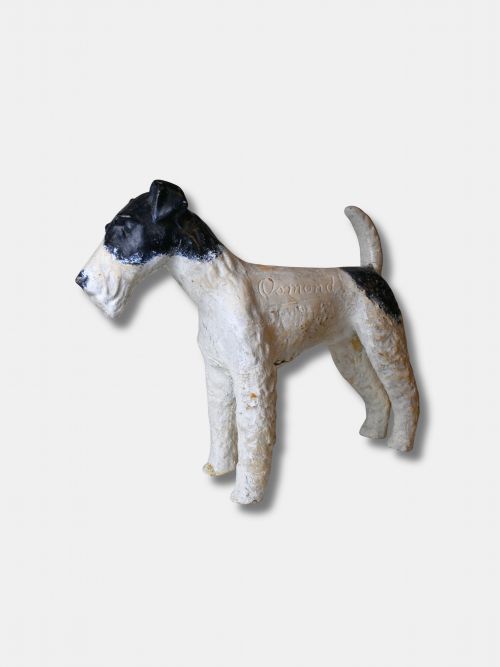


Antique Shop Display Figure
An antique shop display figure commands attention with bold presence, bringing centuries of commercial history straight into a room.
Antique Shop Display Figure
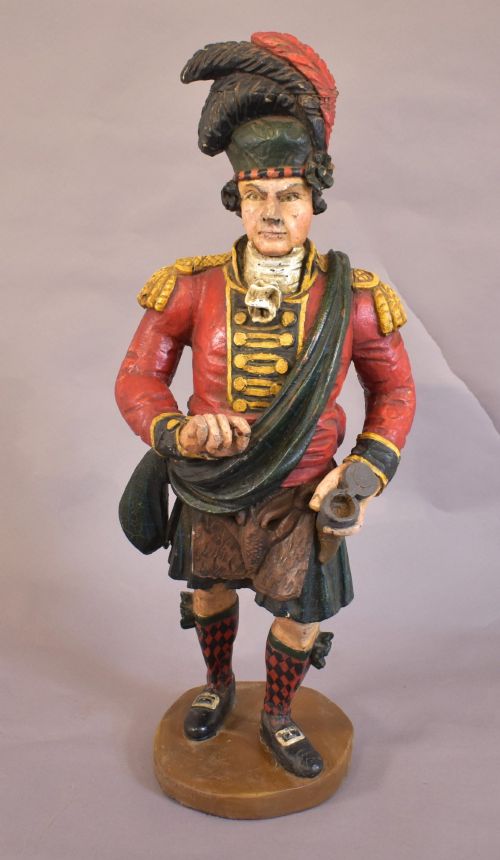
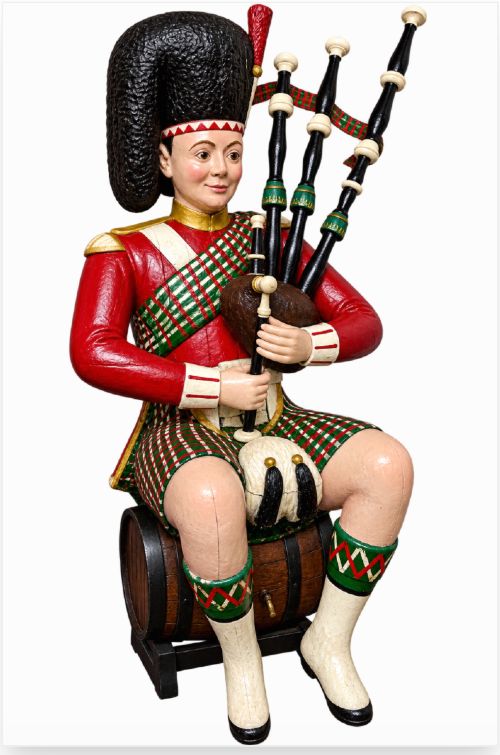
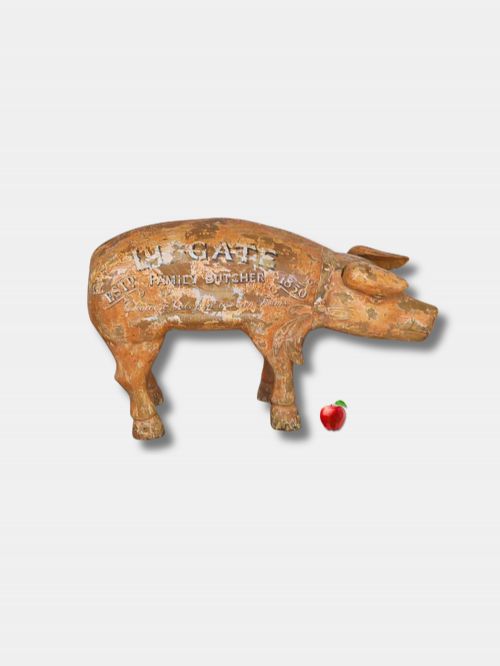
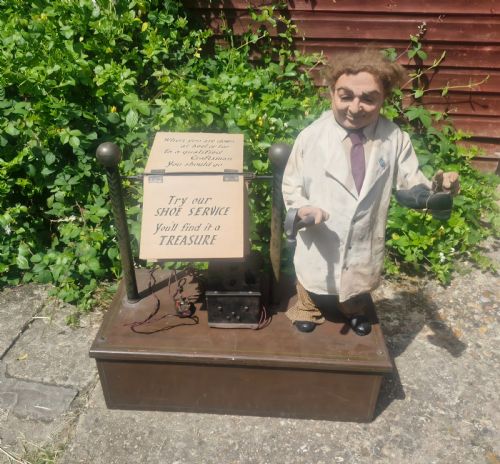
Every antique shop display figure functions as a tangible survivor of historical trade, taking the form of human figures, animals, and trade signs made to attract custom. These pieces range from 18th century tobacco figures to Victorian folk art and early 20th century commercial mannequins.
The selection on this page demonstrates remarkable variety across British, French, and American origins. Buyers encounter carved wood figures, cast iron animals, and composition mannequins designed specifically for shop windows and interior advertising.
Materials and construction methods
Makers utilised carved wood, solid wood, plaster, iron, and terracotta to shape these robust display pieces. Surface decoration relies heavily on polychrome paint applied directly to wood, composition, or metal.
Construction techniques include traditional hand carving, papier-mâché moulding, and cast iron casting. Leather and composition also appear in larger animal and mannequin forms.
Antique Shop Display Figure Retail Price Guide 2026
Typical asking prices for shop display figure among the pieces listed under this phrase on Sellingantiques today, from the lower quarter to the upper quarter. They describe what is for sale here now, not the wider market.
Materials recorded across the inventory include carved wood, iron, terracotta, plaster, leather, and papier-mâché.
Understanding quality differences
Visual impact and surface preservation dictate the standing of each piece. Original polychrome paint surfaces with natural weathering carry distinct character compared to later re-painting.
The complexity of the form - such as automated mechanical movements or life-size anatomical proportions - separates standard trade items from superior sculptural works.
The Antique Shop Display Figure Glossary
- Dummy Board
- A flat painted wooden figure designed to deceive the eye and fill an interior space. These silhouettes served as decorative window displays in period shops.
- Trade Sign
- A sculptural or painted board marking a merchant's premises. They often took the shape of animals or goods sold within.
- Polychrome Paint
- A multi-coloured surface decoration applied to wood, plaster, or metal. Surviving original pigment determines much of a piece's visual integrity.
- Composition
- A moulded material made from a mixture of pulp, resin, or plaster. It allowed manufacturers to shape detailed advertising figures and mannequins quickly.
Antique Shop Display Figure: Frequently Asked Questions
How were display figures used?
Merchants placed them outside shops or in windows to draw the attention of passers-by to specific trades like butchery, tobacco, or tailoring.
Some served as structural trade signs while others acted as life-size models for displaying garments and wares.
How do I date an antique display figure?
Dating relies on identifying the primary materials, construction techniques, and stylistic traits associated with periods like the Victorian era or the 1920s.
Examining the wear patterns on the painted surfaces also provides clear clues to the age of the piece.
How should I live with display figures?
These large sculptural pieces work well as focal points in spacious rooms, entrance halls, or commercial interiors.
Keeping them away from direct sunlight and damp conditions protects the original painted surfaces and sensitive materials like leather or wood.