







Antique Shop Counter Stand
These antique shop counter stand pieces are commercial retail fittings built to display merchandise in nineteenth and twentieth century stores.
Antique Shop Counter Stand
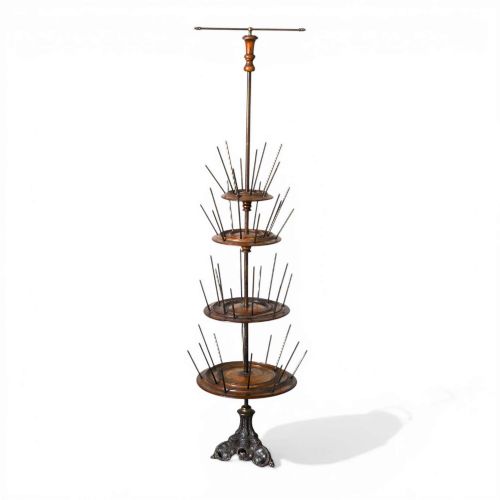
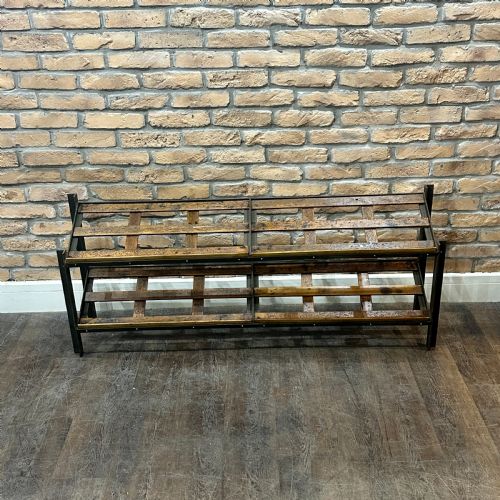
An antique shop counter stand comprises practical commercial furnishings designed for trade, ranging from cotton reel display trees and draper stands to paper roll dispensers and jewellers shelves. These pieces originate across the nineteenth century, nineteen hundreds, nineteen tens, and nineteen twenties, reflecting various commercial eras.
Buyers encounter forms spanning brass and cast iron draper displays, oak tailors tables, bronze and oak counters, and glazed show cases. Styles vary from Victorian and Edwardian haberdashery to Art Deco, industrial, and French provincial designs, each serving a specific retail purpose.
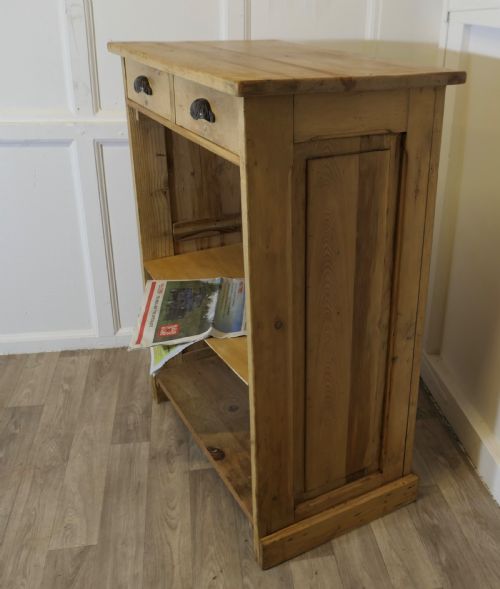
The selection includes specialised items like countertop hat stands, grocery hoppers, and reception hostess stations built in pine, mahogany, and steel. These survivals from commercial spaces bring functional display utility into modern domestic or retail settings.
How they were made
Maker construction relies on robust combinations of metals and dense hardwoods such as mahogany, oak, and pine to withstand daily retail use. Brass and cast iron provide structural frames and mechanical components for items like draper stands, paper dispensers, and hat stands.
Glazed show cases and display counters incorporate glass panels framed in timber, whilst toleware and bronze elements appear in specialist grocery and display items. These materials reflect durable nineteenth and early twentieth century manufacturing standards geared towards heavy commercial application.
Antique Shop Counter Stand Retail Price Guide 2026
Typical asking prices for shop counter stand among the pieces listed under this phrase on Sellingantiques today, from the lower quarter to the upper quarter. They describe what is for sale here now, not the wider market.
Some countertop paper roll dispensers have survived decades of wrapping butcher's meat and haberdashery parcels without losing their spring.
What varies in quality
Quality differentiates itself through the integrity of original mechanisms, the weight of cast metal elements, and the preservation of timber surfaces. Pieces retaining uncompromised brass fittings, clear glass, and stable hardwood joinery represent superior commercial craftsmanship.
The refinement of period detailing, such as fine mouldings on mahogany show cases or clean casting on iron bases, elevates certain examples above simpler utility fittings. Finer items demonstrate thoughtful proportion alongside durable construction suited for prominent display.
The Antique Shop Counter Stand Glossary
- Haberdashery
- A shop fitting style associated with cloth, sewing, and small wares display. These fixtures often feature multiple tiers or specialised compartments.
- Tole
- Painted or lacquered sheet metal used historically for decorative and functional household or shop items. It provides a durable surface often seen on grocery hoppers.
- Draper stand
- A vertical commercial fixture utilised for hanging or displaying textiles and fabrics. They typically combine sturdy iron bases with adjustable brass stems.
- Show case
- A glazed cabinet or counter designed to protect valuable merchandise whilst offering maximum visibility to customers. Mahogany examples frequently employ bevelled glass panels.
Antique Shop Counter Stand: Frequently Asked Questions
What were antique shop counter stands used for?
These commercial fittings served to present merchandise clearly to customers in retail environments. Merchants utilised them for organising goods like cotton reels, paper rolls, hats, and jewellery.
Over time, their roles expanded across various trades, accommodating everything from textiles in draper shops to dry goods in grocery stores.
How do I identify a Victorian shop stand?
Victorian examples often display heavier cast iron components, turned timber elements, and traditional joinery methods typical of the late nineteenth century. Materials like solid mahogany, pine, and brass predominate in these earlier pieces.
Stylistic cues draw from Victorian and early commercial design traditions, prior to the sleeker lines of the subsequent Edwardian and Art Deco periods.
Can I use these stands in a modern home?
These commercial fixtures adapt readily to contemporary domestic interiors as functional display pieces or shelving units. Countertop hat stands, shelves, and small display cases integrate easily into modern living spaces.
Their robust construction and period character allow them to serve practical organisational roles while adding historic visual interest to a room.
What is an Edwardian haberdashery stand?
Edwardian haberdashery stands are retail display fixtures created during the early twentieth century for drapery and clothing shops. They frequently incorporate tiered structures or brass elements designed to showcase specific wares.
These pieces reflect the refined retail standards of the Edwardian era, prioritising both customer visibility and functional utility.