





Antique Shipping Chest
An antique shipping chest is a rugged maritime traveller built to protect valuables across the oceans, offering sturdy character and historic utility for the modern home.
Antique Shipping Chest
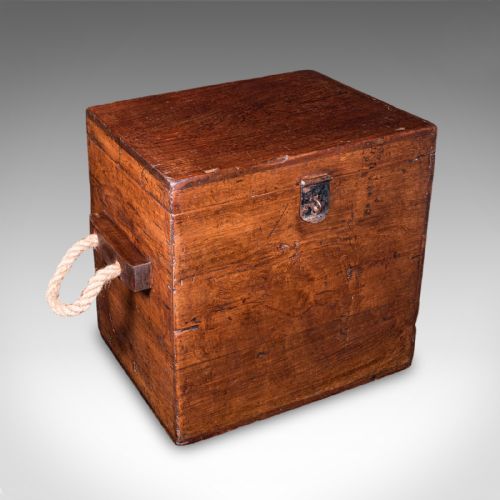
When you search for an antique shipping chest, you encounter robust storage trunks constructed to withstand the rigours of long sea voyages and overland travel. The selection ranges from utilitarian pine and metal-bound examples to refined camphorwood and mahogany pieces designed for officers and wealthy passengers.
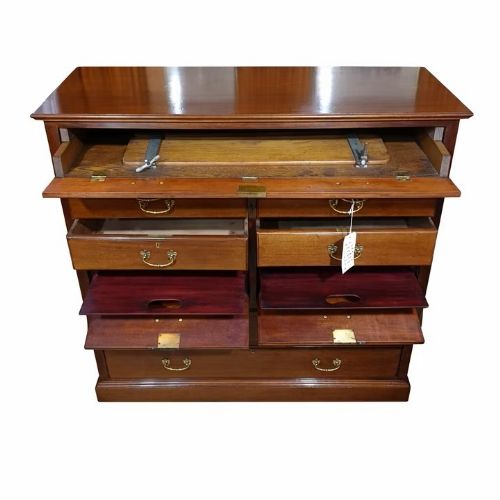
The assortment includes specialised forms such as maritime decanter boxes, fitted silver chests, and Japanese tansu chests alongside traditional travelling trunks. Each variation reflects the practical demands of nineteenth and early twentieth-century mobility.
How they were made
Makers utilised durable timbers such as oak, pine, teak, and camphorwood to build hulls and bodies capable of enduring heavy handling and damp sea air. These woods were chosen for their strength and resistance to warping in changing climates.
Structural integrity relied heavily on protective metalwork, with iron and brass bindings, straps, and corner brackets securing the joints against heavy impacts. Rope handles and sturdy lock plates completed the construction, ensuring the contents remained secure during transit.
Antique Shipping Chest Retail Price Guide 2026
Typical asking prices for shipping chest among the pieces listed under this phrase on Sellingantiques today, from the lower quarter to the upper quarter. They describe what is for sale here now, not the wider market.
Listings feature pieces spanning the Georgian, Victorian, and Edwardian periods, constructed in pine, oak, walnut, teak, and camphorwood.
What varies in quality
The grade of a piece often depends on the choice of timber and the sophistication of its internal fittings. Simple painted pine travelling trunks contrast with richly grained camphorwood, walnut, or mahogany examples outfitted for specialised cargo.
Hardware quality sets apart standard utility chests from finer specimens. Robust hand-beaten iron straps and integrated brass locks indicate a higher standard of manufacture intended for discerning travellers.
The Antique Shipping Chest Glossary
- Camphorwood
- An aromatic hardwood traditionally used for sea chests because its natural scent repels insects and protects stored textiles.
- Decanter box
- A compact fitted container designed to securely transport glass bottles and spirits during sea voyages.
- Silver chest
- A heavy timber trunk lined with baize or leather and fitted with specialised compartments to protect silver tableware in transit.
Antique Shipping Chest: Frequently Asked Questions
What is an antique shipping chest?
An antique shipping chest is a heavy-duty storage trunk built during the Georgian, Victorian, or Edwardian eras to transport personal belongings, silver, or provisions across oceans.
These pieces were constructed from durable timbers like oak, pine, and teak, often reinforced with iron or brass to endure the harsh conditions of maritime travel.
How were these chests used?
Travellers, naval officers, and merchants utilised these chests to secure their valuables, clothing, and equipment during long voyages. Some featured specialised internal fittings for items like decanters or silverware.
On land, they served as portable wardrobes and storage units that could be easily loaded onto carriages and ships.
How do I live with a shipping chest?
These robust trunks function well as coffee tables, end-of-bed storage, or statement pieces in a hallway. Their flat lids and sturdy construction provide both a practical surface and ample hidden storage.
Placing them in rooms with stable humidity protects the historic timbers and metal fittings from unnecessary strain.
How do I date an antique trunk?
Dating relies on observing the timber types, construction methods, and hardware styles present on the piece. Georgian and Victorian examples often display hand-forged iron bindings or specific dovetail joinery.
Paint finishes, paper linings, and maker's plaques also help narrow down the period of manufacture.