

Antique Shelving
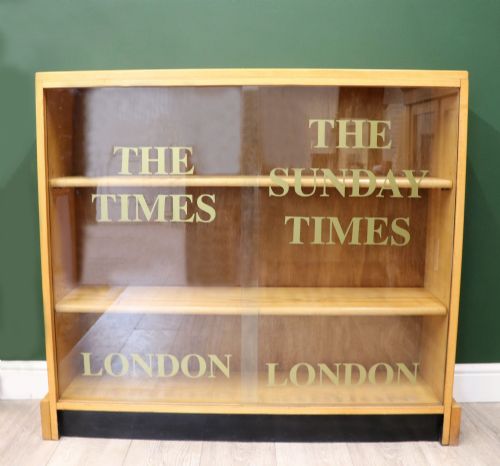
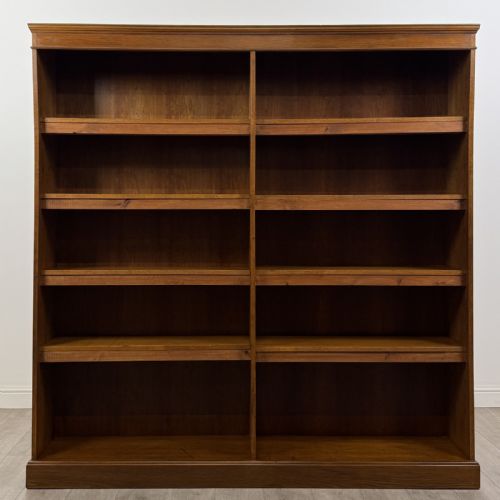
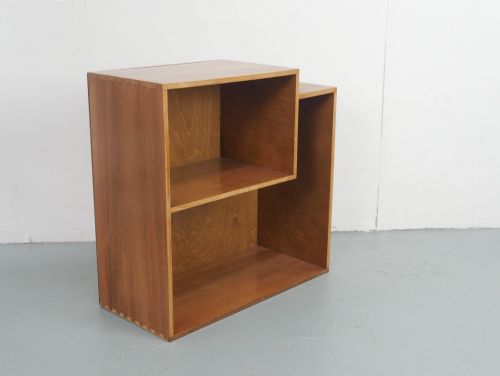
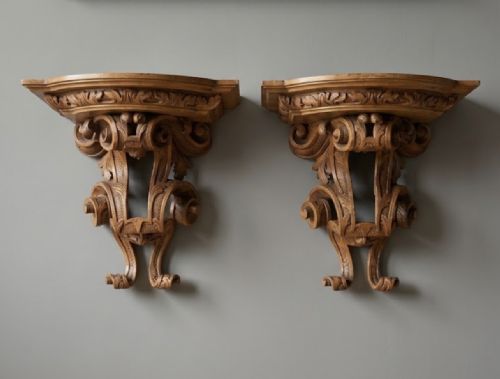
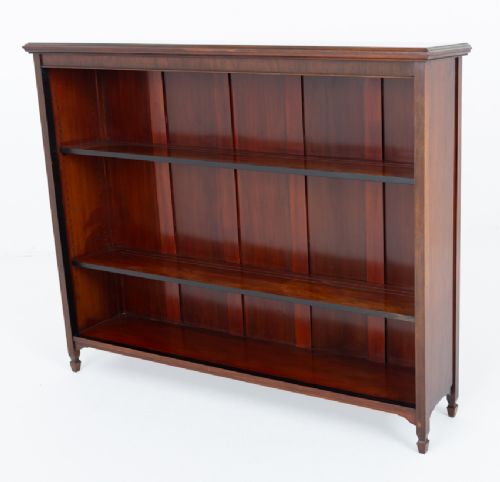
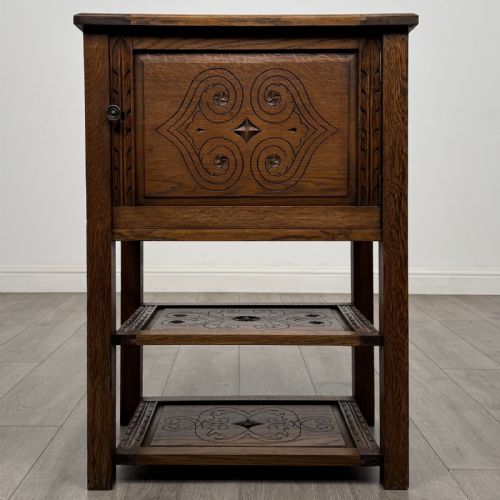
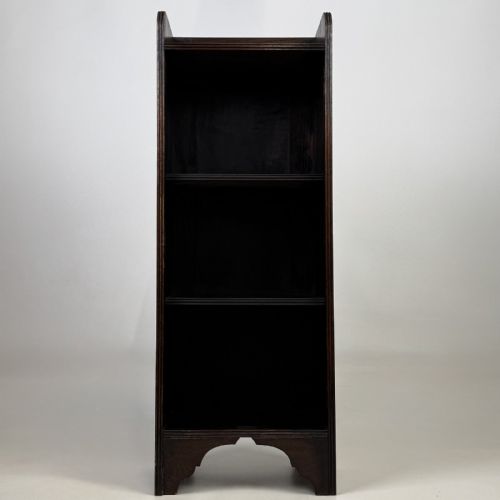
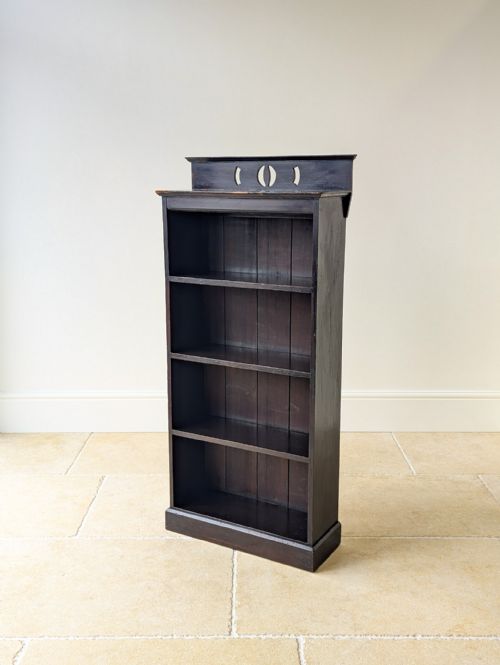
Antique shelving brings order to a room, offering open bookcases, wall cabinets and multi-tiered whatnots crafted to display and store treasured volumes.
Antique Shelving
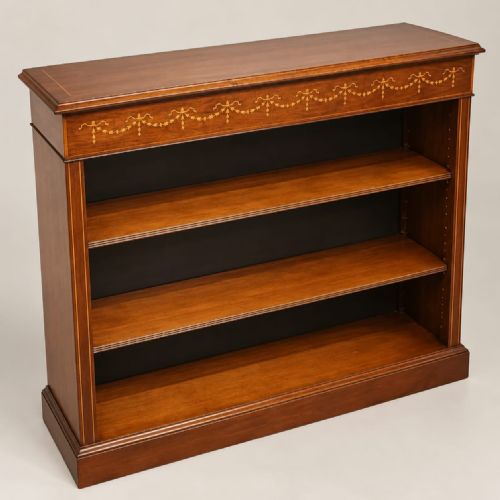
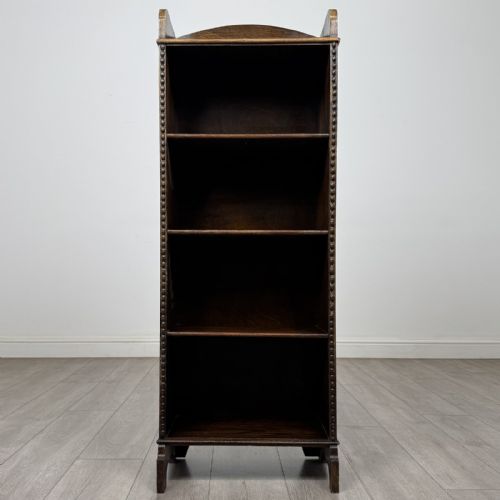
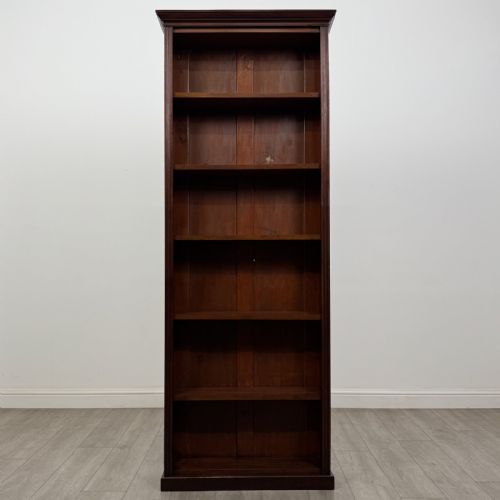
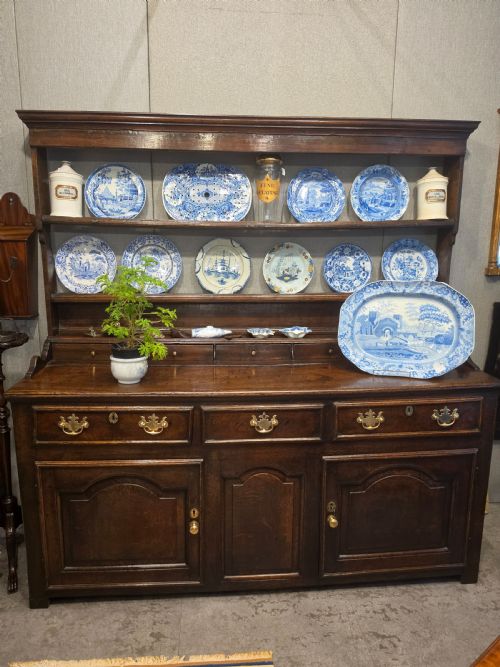
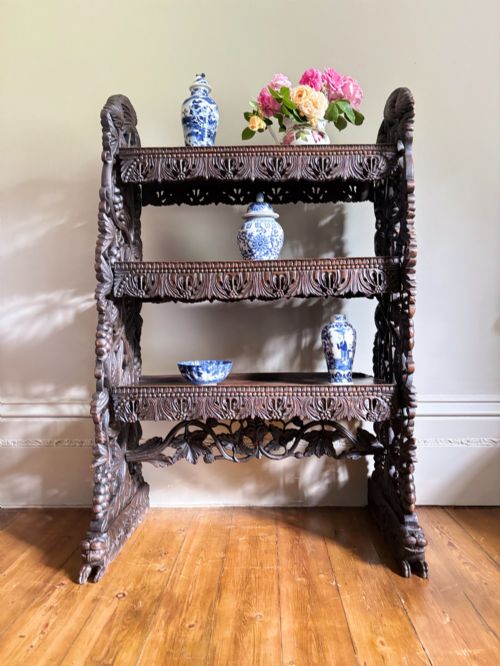
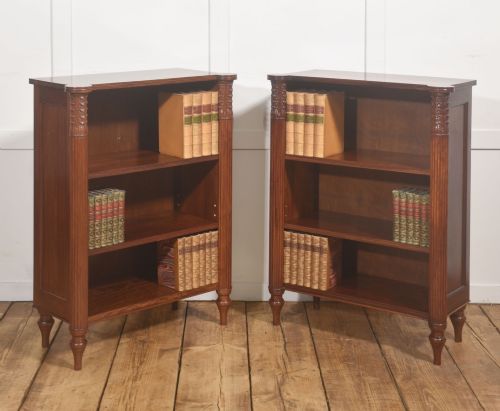
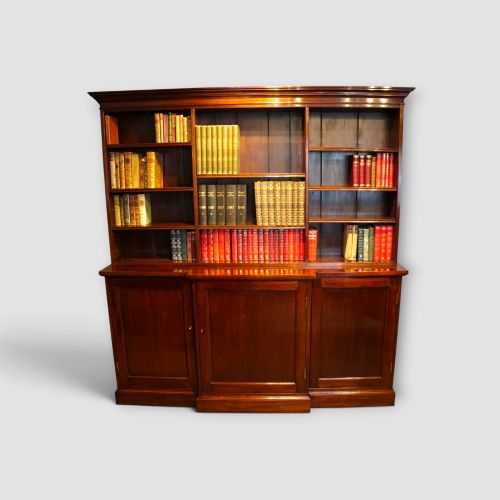
When you search for antique shelving, you encounter a diverse range of furniture forms designed for storage and display, spanning centuries of British and international cabinet making. The pieces collected under this heading include open bookcases, wall hanging shelves, display cabinets, whatnots, and etageres from various historical periods.
You are most likely to meet Edwardian and Victorian examples on this page, alongside pieces stretching back to Georgian times and forward into the early 20th century. Forms range from compact wall racks and corner whatnots to substantial breakfront bookcases and sectional stacking units.
Makers utilised these various formats to solve domestic storage needs, whether through fixed or adjustable shelves, raised galleries, brass details, or glazed doors. Each piece reflects the functional demands of its era, from the modest chamber to the expansive Victorian library.
Materials and construction
Cabinet makers relied primarily on hardwoods such as mahogany, oak, walnut, and burr walnut, selecting timber for its strength and grain figure. Secondary timbers like pine appear in carcases and internal components, whilst exotic woods and fine veneers such as satinwood and rosewood provide decorative surfaces.
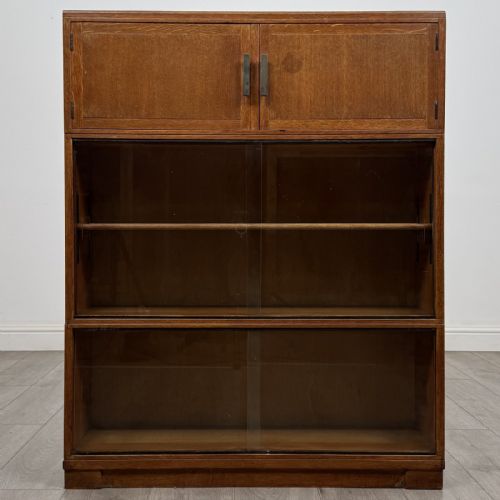
Construction techniques evolved from traditional joined and dovetailed solid timber carcases to incorporate ingenious mechanical systems by the early 20th century. Makers utilised brass for galleries, hinges, and fittings, alongside glass panes for display cabinets and sectional barrister bookcases.
Antique Shelving Retail Price Guide 2026
Typical asking prices for shelving among the pieces listed under this phrase on Sellingantiques today, from the lower quarter to the upper quarter. They describe what is for sale here now, not the wider market.
What separates the finest pieces
The selection of timber grain and veneer determines much of the visual merit, with burr walnut and figured mahogany commanding attention for their rich patterns. Superior pieces display meticulous attention to detail in carved cornices, dentil mouldings, and delicate satinwood inlay work.
Structural integrity and original components distinguish better examples from ordinary utilitarian items. The presence of adjustable shelving mechanisms, intact brass galleries, and original backboards elevates a piece, showing the maker's commitment to both utility and refinement.
Heals·Gillows·Macey
The Antique Shelving Glossary
- Whatnot
- A multi-tiered piece of freestanding furniture designed for displaying ornaments or books, typically featuring three or more open shelves supported by slender columns.
- Open Bookcase
- A bookcase lacking doors, allowing direct access to the volumes stored within and often featuring adjustable wooden shelves.
- Dentil Cornice
- A decorative architectural moulding composed of a series of small, rectangular blocks spaced evenly along the upper edge of a piece.
- Raised Gallery
- A low protective rail or pierced border running along the top edge of a shelf or cabinet to prevent items from sliding off.
- Breakfront
- A cabinet or bookcase design where the central section projects forward from the flanking outer sections.
- Sectional Bookcase
- A modular storage unit comprising multiple stacked tiers with independent glass-fronted doors, designed to be assembled and reconfigured as needed.
Antique Shelving: Frequently Asked Questions
What is an antique whatnot used for?
These multi-tiered stands served primarily for displaying ornaments, ceramics, and small books in nineteenth-century drawing rooms. Their open structure prioritized visibility over deep storage.
Over time, owners placed them in corners or against walls where decorative items caught the light. Today, they continue to function as elegant display units for collections.
How do sectional bookcases work?
Sectional bookcases consist of individual stacking tiers with upward-lifting glass doors, allowing owners to add modules as their libraries grew. Each tier rests on the one below without permanent fixings.
This modular design became popular in the early twentieth century for offices and homes. The mechanism protects books from dust while offering straightforward access.
Are shelves usually adjustable?
Many nineteenth-century and Edwardian bookcases feature adjustable shelving systems supported by wooden ratchets or metal tracks. This allowed owners to alter shelf heights for volumes of different sizes.
Fixed shelves remain common in smaller wall cabinets and older Georgian pieces. Checking the interior sides reveals the presence of adjustment slots.
How should I care for polished wood?
Polished mahogany, walnut, and oak require stable room humidity and protection from direct sunlight to prevent timber splitting and fading. Regular dusting with a soft cloth preserves the traditional wax finish.
Avoid placing damp items directly onto antique surfaces. Occasional application of quality beeswax maintains the lustre without building up heavy residues.