






Antique Shell Salts
Antique shell salts bring natural marine forms to the dining table, offering collectors delicate silver and glass vessels shaped like ocean scallops and cowries.
Antique Shell Salts
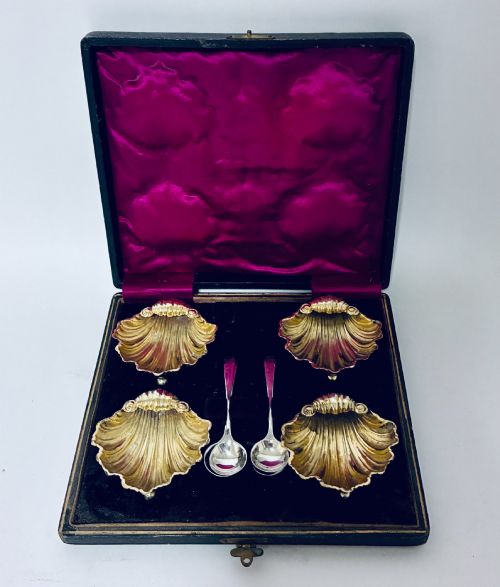
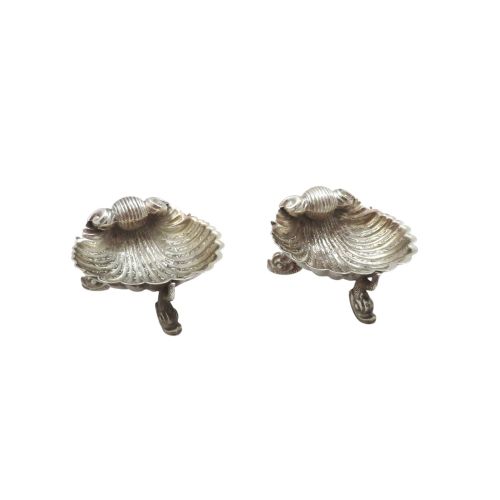
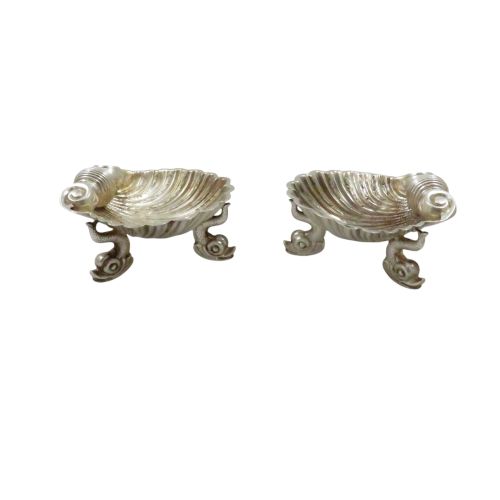
When you search for antique shell salts, you are looking at small tabletop vessels designed to hold condiments, most frequently encountered here in Victorian and Georgian sterling silver or green opaline glass. These pieces take the literal form of natural scallop shells or cowrie shells, sometimes raised on cast supports such as dolphin feet or styled with rococo ornamentation.
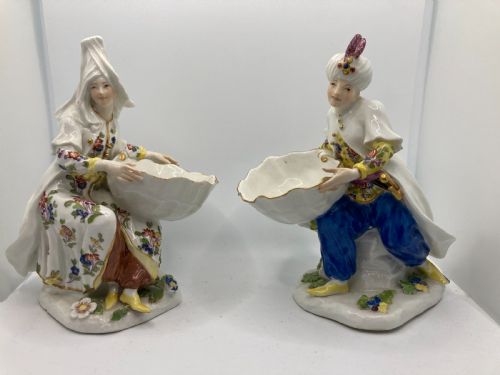
The selections range from matched pairs of silver salt cellars bearing hallmarks from Sheffield to French opaline glass dishes finished with gold leaf edges. Alongside these silver and glass table pieces, the evidence also records related items such as cowrie shell vinaigrettes and porcelain figures holding salt bowls.
Buyers will find that the traditional form combines marine motifs with functional diningware, reflecting centuries of maritime influence on domestic silver and glassware design. The variety spans from simple nineteenth-century salt cellars to elaborate George III designs by noted silversmiths.
Evaluating craftsmanship and design
Quality in these objects is determined by the crispness of the shell's fluting and the sophistication of any supporting elements, such as cast dolphin feet or rococo scrollwork. Finer examples display meticulous detail in the rendering of natural textures, whereas simpler pieces rely on standard pressed metal or plain glass forms.
The presence of precious metal treatments, including vermeil and gold leaf, elevates a piece, as does the integration of genuine hallmarks that verify the origin and date of the silver. The distinction lies in whether the maker achieved a convincing naturalistic sculpture or a purely utilitarian container.
Antique Shell Salts Retail Price Guide 2026
Typical asking prices for shell salts among the pieces listed under this phrase on Sellingantiques today, from the lower quarter to the upper quarter. They describe what is for sale here now, not the wider market.
Listings feature sterling silver, opaline glass, and cowrie shells shaped into salt cellars and dishes across the Georgian and Victorian periods.
Hamilton & Inches·Edward Farrell·Meissen
The Antique Shell Salts Glossary
- Vermeil
- Sterling silver plated with a thin layer of gold. This finish provides the warm golden appearance seen on many antique salt cellars.
- Opaline glass
- An opaque or translucent glass popular in the nineteenth century. It is frequently found in delicate pastel shades for decorative dishes.
- Rococo
- An ornate artistic style characterised by asymmetrical scrollwork and shell motifs. This design influence appears frequently on Georgian silver salts.
- Cowrie shell
- A glossy, oval marine shell used historically in decorative items and small containers. These shells were occasionally mounted in silver as vinaigrettes.
- Sterling silver
- An alloy of silver containing 92.5 percent pure silver and 7.5 percent other metals. This standard material forms the body of most antique silver salts.
Antique Shell Salts: Frequently Asked Questions
What were antique shell salts used for?
These small vessels served as individual salt cellars placed on the dining table during formal meals. Guests would use them to take pinches of salt to season their food.
Before the advent of free-flowing table salt in shakers, salt was served open in decorative cellars, making these pieces central to nineteenth-century and Georgian dining customs.
How do you clean silver salt cellars?
Silver pieces require gentle cleaning with a specialised silver cloth to remove tarnish without damaging the underlying metal or delicate cast details. Harsh chemical dips can strip away vermeil or original patination.
Glass dishes formed like shells can be washed carefully in warm soapy water, avoiding abrasive sponges that might scratch the surface or wear away gold leaf edges.
Are opaline glass salts fragile?
Opaline glass dishes possess a standard glass fragility and require careful handling during use and display. They are best kept on stable surfaces away from the edges of tables.
Despite their delicate appearance, nineteenth-century opaline glass remains durable under normal domestic conditions if protected from sudden temperature changes.
How can you tell Georgian silver from Victorian?
Georgian silver dates from the reigns of the Georges spanning the eighteenth and early nineteenth centuries, often featuring heavier rococo casting and distinct maker marks. Victorian pieces belong to the later nineteenth century and frequently exhibit diverse revival styles.
Examining the official assay office hallmarks stamped on the metal provides the exact year and city of manufacture, removing guesswork from dating the piece.