





Antique Shelf Supports
These antique shelf supports span architectural brackets and decorative wall furniture, bringing solid utility and distinct period character to any room.
Antique Shelf Supports
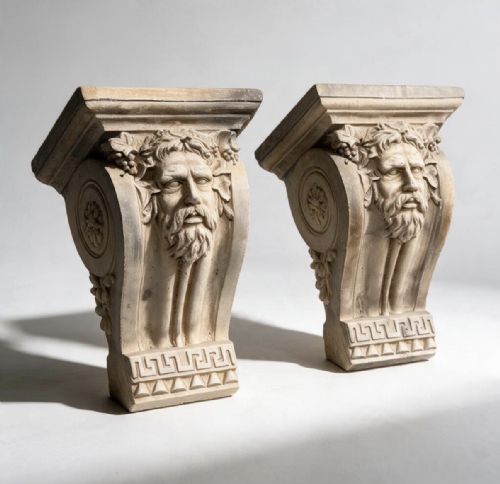
Antique shelf supports encompass structural architectural elements, decorative wall brackets, and sturdy bookends designed to bear weight while adding ornamental detail. When searching for antique shelf supports, buyers encounter items ranging from utilitarian cast iron brackets to ornate carved wooden corbels and display ledges.
The selection here draws primarily from nineteenth century and early twentieth century periods, featuring materials like mahogany, walnut, brass, and cast iron. Forms extend from heavy iron wall brackets to carved pine corbels and decorative display shelves.
Makers and designers from various stylistic eras contributed to this group, producing items that function equally well as practical supports or standalone decorative accents in traditional interiors.
How they were made
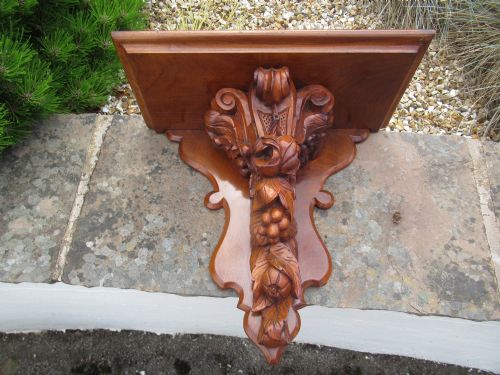
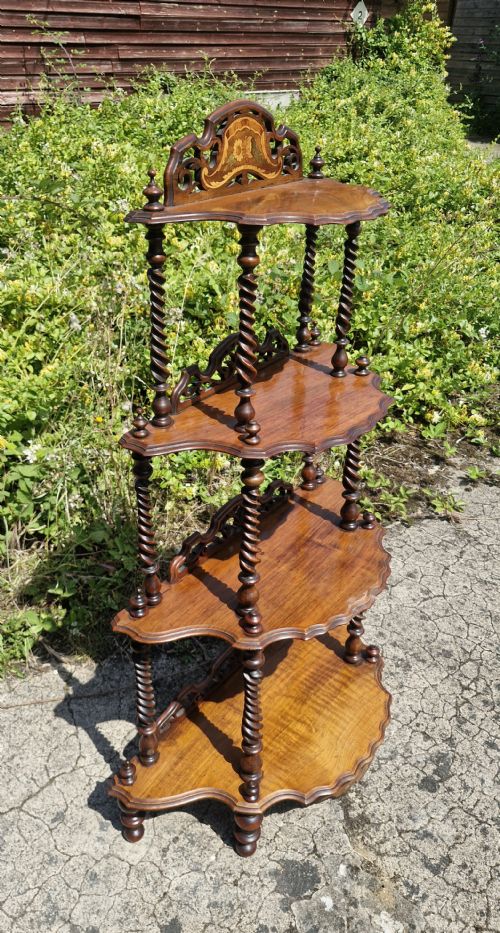
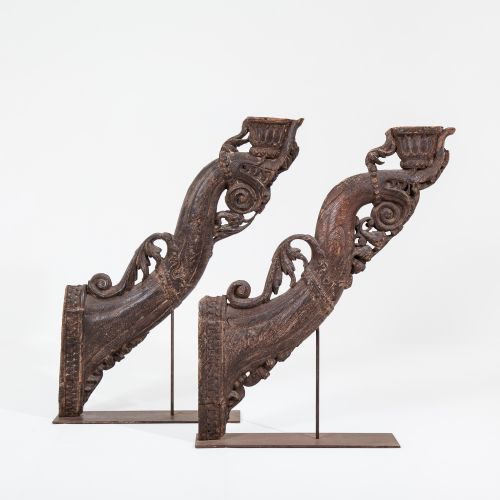
Craftsmen utilised traditional woodworking techniques to shape timbers such as mahogany, walnut, rosewood, and pine into carved corbels, architectural brackets, and multi-tiered whatnots. Hand-carved details in wood often display deep relief work, particularly in items from the nineteenth century.
Metalworking methods for these supports include cast iron founding, wrought iron forging, and bronze or spelter casting, often combined with marble or alabaster bases. Ormolu mounts and painted finishes add surface texture and decorative contrast to the heavier metal structures.
Antique Shelf Supports Retail Price Guide 2026
Typical asking prices for shelf supports among the pieces listed under this phrase on Sellingantiques today, from the lower quarter to the upper quarter. They describe what is for sale here now, not the wider market.
Listings feature items from the 18th Century, Victorian period, and 1920s, constructed in mahogany, cast iron, marble, and wrought iron.
What varies in quality
Quality in these pieces depends on the crispness of the carving or casting, the integrity of the joints in wooden framework, and the weight of the metal used. Superior items exhibit clean lines, balanced proportions, and high-grade materials without unnecessary modern alterations.
The refinement of surface finishes, whether polished mahogany, patinated bronze, or finely painted ironwork, marks the difference between standard utilitarian hardware and exceptional decorative items.
Compton Potters Art Guild·Gillows·Henri Dasson·Minton
The Antique Shelf Supports Glossary
- Corbel
- A structural piece of stone, wood, or metal jutting from a wall to carry a superincumbent weight. These architectural supports often feature decorative carvings.
- Whatnot
- An open-shelved piece of furniture used for displaying ornaments or books. Examples typically feature multiple tiers supported by slender uprights.
- Spelter
- A zinc alloy commonly used as a substitute for bronze in decorative figures and bookends. It is often painted or bronzed to simulate more expensive metals.
- Ormolu
- Gilded bronze used for decorative mounts on fine furniture and brackets. The technique involves applying a gold-mercury amalgam to a bronze base.
- Majolica
- Tin-glazed earthenware known for its vibrant coloured lead glazes. It appears on decorative wall brackets from the nineteenth century.
Antique Shelf Supports: Frequently Asked Questions
How do I mount heavy iron shelf brackets safely?
Heavy cast iron or wrought iron brackets require direct fixing into solid masonry or substantial wall studs to support significant weight safely. Using appropriate fixings ensures the bracket remains stable under load.
Distributing the weight evenly across multiple brackets prevents undue stress on both the shelf board and the wall structure.
Can these brackets hold glass shelves?
Many architectural brackets and wall supports can accommodate glass shelves provided the depth and lip of the bracket match the shelf dimensions. Adding protective padding prevents slipping and scratching.
Ensuring the bracket is securely anchored is essential when pairing metal supports with heavy glass.
How should I clean antique carved wood corbels?
Cleaning antique wood requires a soft, dry cloth to remove dust from intricate carvings without damaging the aged patina. Avoid harsh chemical cleaners that strip the original finish.
Applying a microcrystalline wax occasionally helps protect the timber surface from moisture and handling wear.
What is the difference between a corbel and a bracket?
A corbel is traditionally a solid block of stone, wood, or metal projecting from a wall to bear weight, often featuring decorative profiles. Brackets generally refer to lighter structural supports, sometimes with angled braces.
Both serve to hold shelves or architectural projections, though corbels tend to be more substantial and ornate.