



Antique Shaving Box
An antique shaving box is a small mirror or grooming set designed for the daily toilette, prized for fine timber and compact utility.
Antique Shaving Box
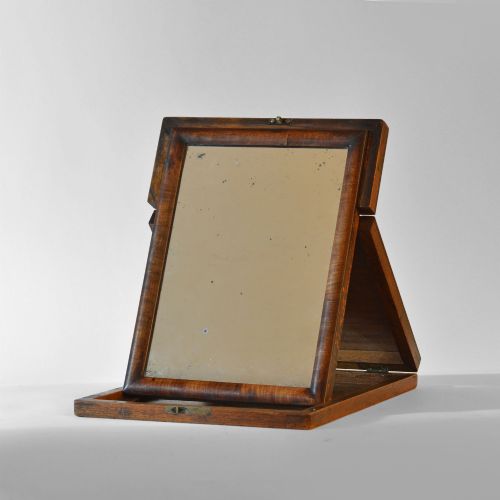
When you search for an antique shaving box, you encounter a range of tabletop dressing mirrors, vanity boxes, and complete grooming sets. The examples here include Georgian mahogany toilet mirrors, serpentine designs, and later Art Deco travel sets.
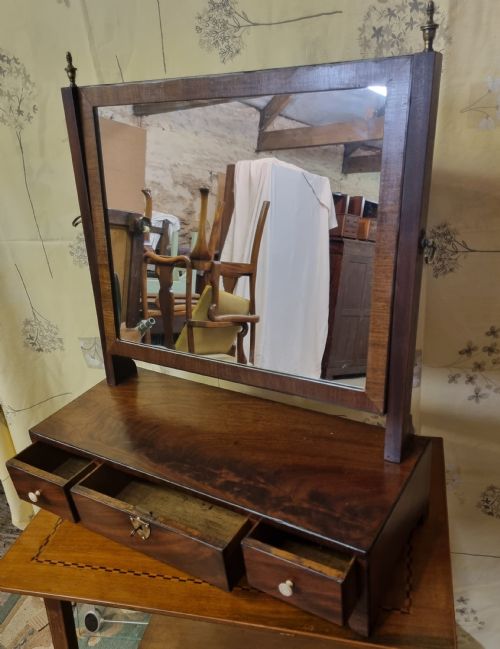
The version you are most likely to meet on this page is the Georgian mahogany toilet mirror, often featuring a box base with small drawers. These pieces served as functional shaving and dressing aids on chests of drawers or tables.
Makers adapted these forms over time, shifting from eighteenth-century walnut and mahogany structures to early twentieth-century gentleman's vanity tables and portable razor sets. Each iteration reflects the grooming habits of its respective era.
How they were made
Carpenters constructed these boxes primarily from mahogany and walnut, occasionally incorporating brass fittings, bone elements, and inlaid details. Glass forms the pivoting mirror plates, while internal compartments utilise satin and velvet linings.
Later twentieth-century iterations integrate metalwork and leatherette alongside traditional timber frameworks. The construction balances structural stability for the mirror glass with secure storage for razors and small toiletries.
Antique Shaving Box Retail Price Guide 2026
Typical asking prices for shaving box among the pieces listed under this phrase on Sellingantiques today, from the lower quarter to the upper quarter. They describe what is for sale here now, not the wider market.
Listings here span from the 18th century through the Art Deco era, utilising mahogany, walnut, brass, glass, and velvet.
What varies in quality
The refinement of the timber and the sophistication of the cabinetry separate standard examples from finer pieces. Serpentine fronts and intricate inlay work indicate a higher tier of craftsmanship than plain rectangular box bases.
Original glass plates, intact brass hardware, and well-preserved internal velvet or satin linings elevate the desirability of a piece. The integration of maker details, such as specific hotel associations on razor sets, adds documentary interest.
JH Browne of The Waldorf Hotel
The Antique Shaving Box Glossary
- Toilet mirror
- A small adjustable looking glass designed to sit on a dressing table or chest. These mirrors usually incorporate a box base fitted with small drawers for grooming accessories.
- Serpentine
- A curved shape curving outward in the centre and inward at the sides, often seen on the front of Georgian box bases. This contour requires skilled woodworking.
- Box base
- The lower section of a toilet mirror containing one or more small drawers. It provides stability for the pivoting frame above.
- Art Deco
- A design style prevalent in the 1920s and 1930s characterised by sleek geometric forms and modern materials. Pieces from this era include compact metal shaving and razor sets.
Antique Shaving Box: Frequently Asked Questions
What is an antique shaving box?
An antique shaving box is a small tabletop mirror or fitted grooming set designed for personal care. These pieces typically combine a pivoting looking glass with a storage base.
They originated to assist with daily shaving and dressing before built-in bathroom mirrors became standard. Many examples feature small drawers for razors, brushes, and powders.
How do I date a toilet mirror?
Dating relies on timber selection, hardware style, and overall cabinet construction methods. Eighteenth-century pieces frequently utilise walnut or figured mahogany with simple box bases.
Later Victorian and Edwardian examples show heavier proportions or different wood grains. Twentieth-century sets introduce materials like leatherette and chrome alongside Art Deco styling.
Where were these boxes placed?
Owners placed these mirrors on top of chests of drawers, side tables, or dedicated dressing tables. Their portable nature allowed them to be moved near windows for optimal natural light.
They functioned as personal stations for morning grooming routines in bedrooms or dressing rooms. The enclosed base kept personal items neatly stored away when not in use.
What woods were commonly used?
Mahogany and walnut dominate the construction of these mirrors across the Georgian and Victorian periods. Cabinetmakers selected these dense hardwoods for their durability and attractive grain patterns.
Inlays of lighter woods or brass stringing often decorated the exterior surfaces. Later twentieth-century sets shifted towards manufactured components and metal fittings.