



Antique Sevres Lamps
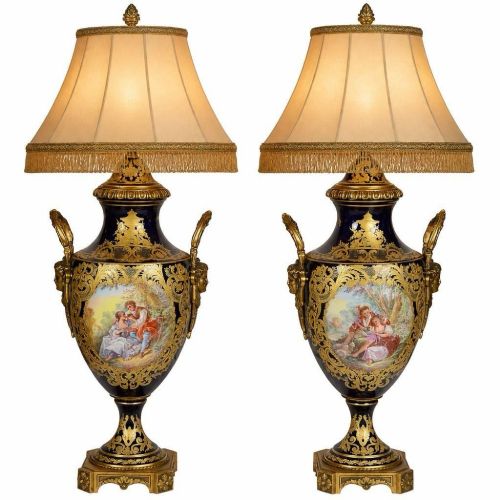
Antique sevres lamps bring French interior grandeur into a room, combining hand-painted porcelain bodies with heavy gilt bronze mounts.
Antique Sevres Lamps
When buyers search for antique sevres lamps, they encounter table lamps and converted oil lamps dating from the nineteenth century. These pieces originate in France, reflecting decorative movements such as Louis XVI style, French Rococo Revival, and Napoleon III aesthetics.
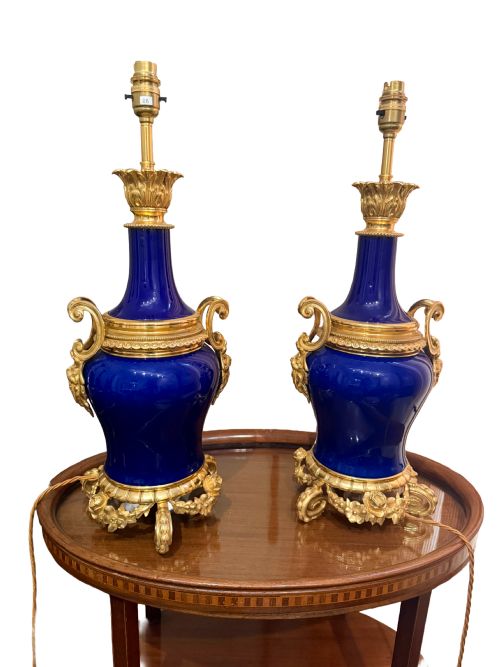
The most common forms seen on this page are pairs of porcelain lamps or single vases mounted as lamps. They typically feature cobalt blue or bleu celeste grounds decorated with hand-painted scenes, paired with fabric or silk shades.
The listings span decades from the 1870s to 1900, capturing the late nineteenth-century appetite for ornate, decorative lighting. Buyers find both Sevres style wares and pieces bearing the specific aesthetic hallmarks of the famous French porcelain tradition.
Materials and construction
The foundation of these pieces is porcelain, frequently hand-painted and glazed in rich blue tones. Some examples utilise pate sur pate techniques, building delicate white relief designs upon a contrasting coloured ground.
Metal mounts provide structural support and decorative framing, executed in ormolu, gilt bronze, brass, or gilt metal. These mounts are cast and chased with classical or rococo motifs, then fitted securely to the porcelain bodies.
Antique Sevres Lamps Retail Price Guide 2026
Typical asking prices for sevres lamps among the pieces listed under this phrase on Sellingantiques today, from the lower quarter to the upper quarter. They describe what is for sale here now, not the wider market.
Several nineteenth-century lamps began life burning oil before enjoying a quiet retirement wired for electricity.
Judging quality and craftsmanship
Quality rests upon the precision of the hand-painting on the porcelain and the crispness of the metal chasing. Finer examples display detailed brushwork in the panels alongside deeply carved ormolu mounts with clean finishing.
The harmony between the ceramic body and its metal mounts dictates the overall success of the piece. Superior items integrate the bronze or ormolu mounts fluidly with the porcelain contours rather than relying on heavy, ill-fitting hardware.
The Antique Sevres Lamps Glossary
- Ormolu
- A gilded bronze technique used extensively for mounts and decorative fittings on French furniture and lighting. It involves applying a finely ground gold-mercury amalgam to bronze before heating.
- Pate sur pate
- A ceramic technique where wet porcelain slip is built up layer by layer in low relief upon a coloured body. This creates a cameo-like translucent effect that stands out against the background.
- Bleu celeste
- A bright sky blue ceramic ground colour popular in nineteenth-century French porcelain decoration. It provides a vibrant backdrop for hand-painted floral or figural panels.
- Bleu royale
- A deep, rich cobalt blue ceramic glaze utilised on formal nineteenth-century porcelain pieces. This saturated hue often serves to frame gilded scrollwork and painted cartouches.
Antique Sevres Lamps: Frequently Asked Questions
How do I wire an old lamp safely?
Most antique lamps require a complete rewiring by a qualified professional to meet current electrical standards. Modern internal wiring can be threaded through the existing central channels without damaging the historical body.
Using a professional ensures the brass or ormolu structure remains undisturbed while the cord and lampholder are updated for daily use.
Can I change the lampshade?
Choosing a new fabric or silk shade allows you to control the quality of light diffused into the room. Traditional pleated or lined shades complement the proportions of nineteenth-century porcelain bases.
Matching the scale of the shade to the width of the ceramic body keeps the silhouette balanced and visually appealing.
How do I clean gilt bronze mounts?
Dusting the ormolu mounts gently with a soft, dry brush prevents the accumulation of dirt in recessed chasing. Avoid using harsh chemical polishes that can strip the original gilding from the bronze.
Gentle maintenance preserves the warm metallic lustre built up over decades of handling.
Are these lamps signed or marked?
Some nineteenth-century pieces carry painted or impressed marks on the porcelain base beneath the mounts. These marks often imitate earlier factory symbols rather than guaranteeing primary production.
Examining the style of the painting and the weight of the bronze usually reveals more about the period of manufacture than a mark alone.