



Antique Serving Caddy
These antique serving caddy items bring period elegance to the table, offering practical utility for hosting with traditional charm.
Antique Serving Caddy
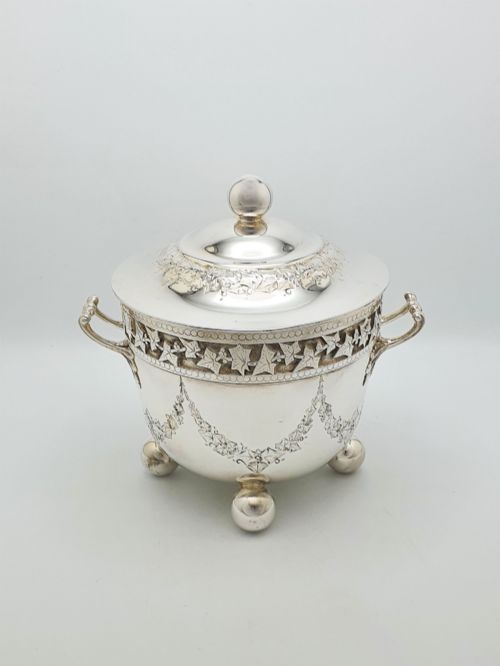
You are most likely to meet pieces representing Georgian, Victorian, Arts and Crafts, and Art Nouveau styles. These objects reflect the formal dining customs of their respective periods, utilising traditional forms to serve biscuits, strawberries, bonbons, and drinks.
The objects listed show a diverse range of origins, including English and Dutch craftsmanship. Each piece provides a tangible connection to historical dining practices, combining aesthetic appeal with functional tableware design.
Materials and construction
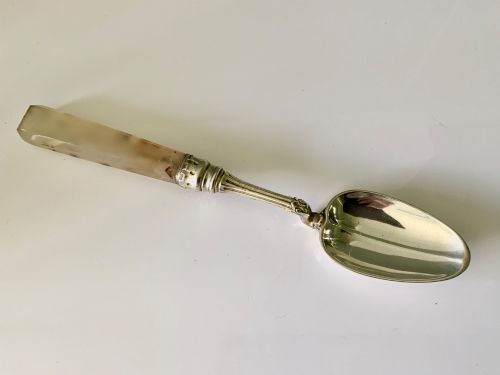
Makers utilised sterling silver, silver plate, and electroplated nickel silver as the primary metallic foundations for these items. These metals were frequently combined with decorative elements such as agate handles, gold washes, and brass components.
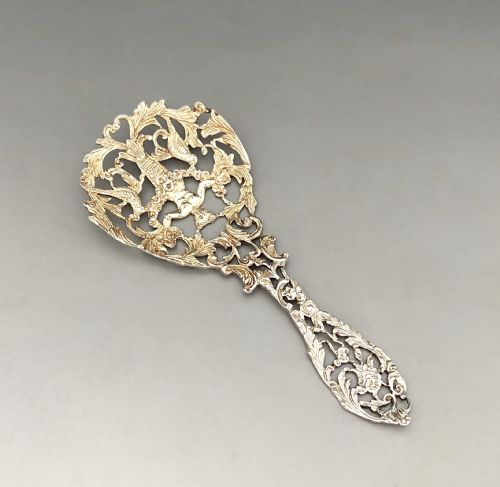
Wood such as mahogany also appears in the construction of related serving pieces. Craftspeople employed casting techniques to create ornate details on spoons and dishes, alongside glass manufacturing for trays and specialised sets.
Antique Serving Caddy Retail Price Guide 2026
Typical asking prices for serving caddy among the pieces listed under this phrase on Sellingantiques today, from the lower quarter to the upper quarter. They describe what is for sale here now, not the wider market.
Listings span the Regency, Victorian, Edwardian, and 1900 periods, incorporating materials from sterling silver to agate and mahogany.
Judging quality in table service
Quality in these serving pieces rests upon the crispness of the cast ornamentation and the integrity of the base metal. Pieces featuring hand-worked details and precious materials like sterling silver demonstrate superior workmanship compared to standard plated wares.
The tactile harmony of mixed materials, such as the secure fitting of agate handles to silver spoons, distinguishes finer items. Preservation of the original surface finish and any internal gold wash also marks the difference between standard production and exceptional examples.
Daniel Arter·William Comyns·Oliver Barker
The Antique Serving Caddy Glossary
- Sterling silver
- A standard alloy consisting of ninety-two point five percent silver by mass, with the remainder composed of copper or other metals. This material provides durability and a bright finish for fine tableware.
- Electroplated nickel silver
- A base metal alloy of copper, nickel, and zinc coated with a thin layer of pure silver through an electrolytic process. It served as a popular method for producing affordable domestic silverware during the nineteenth century.
- Gold wash
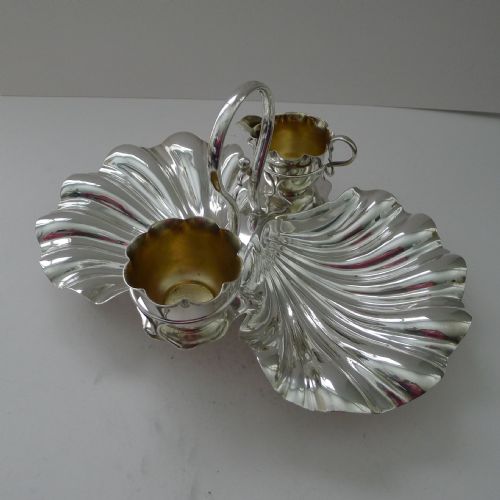
- A thin layer of gold applied to the interior surface of silver items, often referred to as vermeil. This technique protected the silver from tarnish caused by acidic foods.
- Bifurcate
- Divided into two branches or forks. In serving utensils, this describes a specific pronged configuration designed for handling food items.
Antique Serving Caddy: Frequently Asked Questions
What is an antique serving caddy?
An antique serving caddy refers to specialised vessels, trays, and utensils used for presenting food and beverages at the dining table.
These pieces date from the Georgian through to the Edwardian periods and include specialised items for biscuits, strawberries, and preserves.
How were these serving pieces used?
They were utilised in formal dining and tea service to present specific delicacies to guests. Utensils like bonbon spoons and strawberry sets facilitated the elegant transfer of food from a central dish to individual plates.
Their design reflected the elaborate social rituals of nineteenth and early twentieth century households.
How do I care for silver serving items?
Silver and silver-plated items require gentle cleaning with appropriate silver polish to maintain their lustre without abrading the metal. Hand washing with mild soap and immediate drying prevents moisture damage.
Proper storage in tarnish-resistant cloths helps preserve the finish of pieces containing gold wash or delicate handles.
How can I tell the period of a piece?
Dating relies on stylistic markers such as the flowing organic lines of Art Nouveau or the geometric restraint of earlier Georgian designs. Maker marks, hallmarks, and the specific material composition also provide concrete evidence of a piece's age.
Comparing the manufacturing technique against known historical periods helps establish an accurate timeframe for each item.