


Antique Sepia Drawing
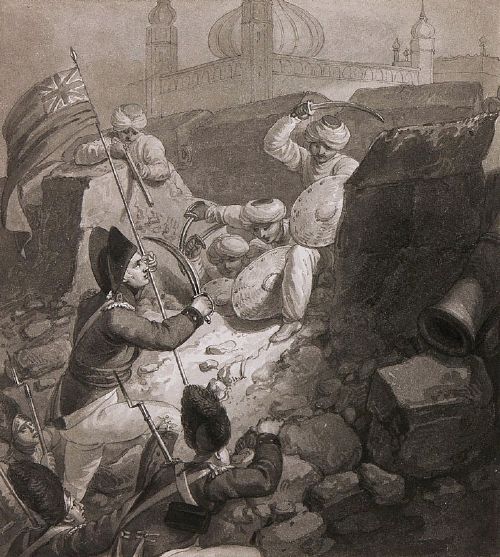
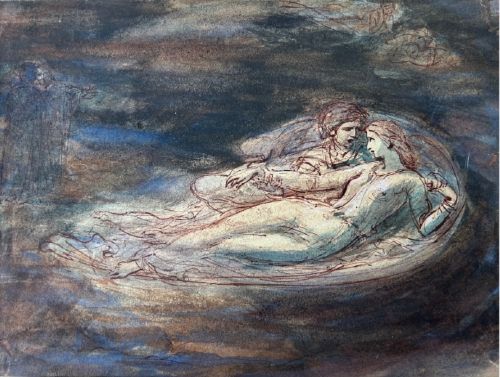
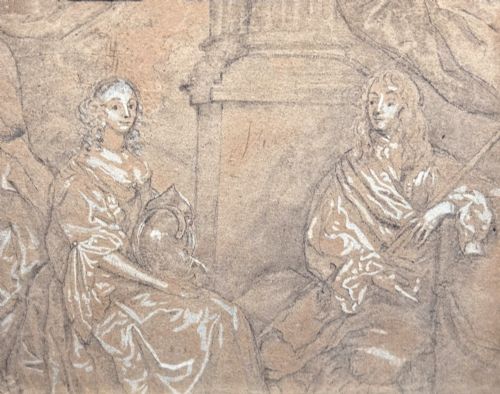
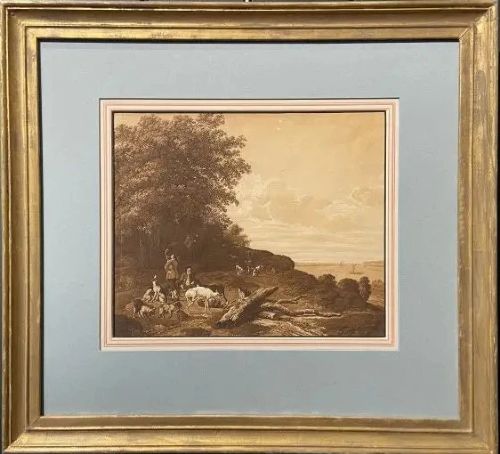
An antique sepia drawing offers a monochrome glimpse into past centuries through ink, wash and pencil on paper.
Antique Sepia Drawing
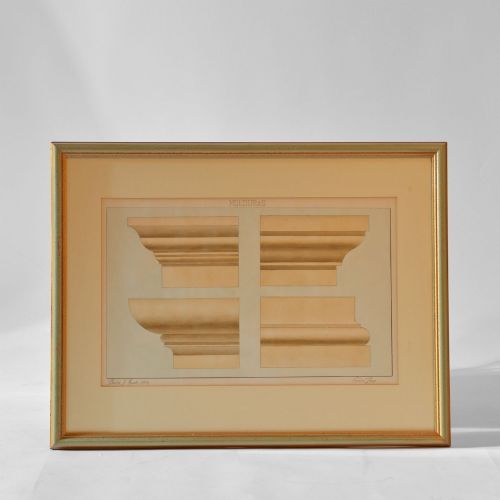
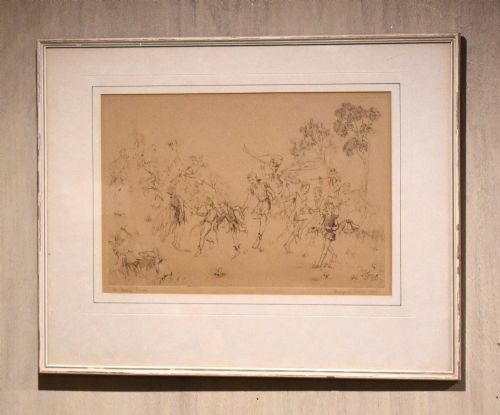
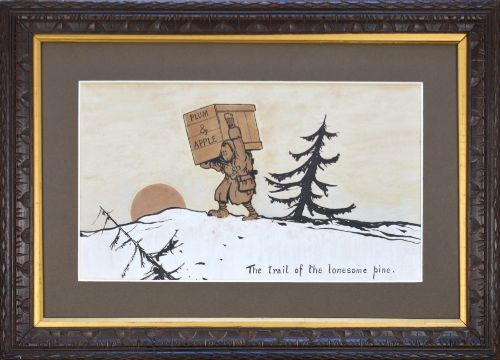
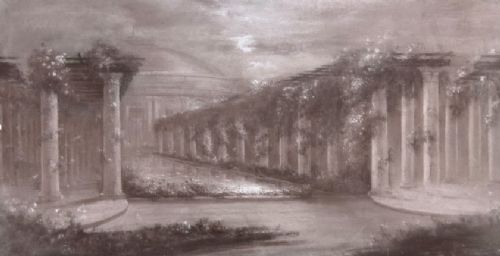
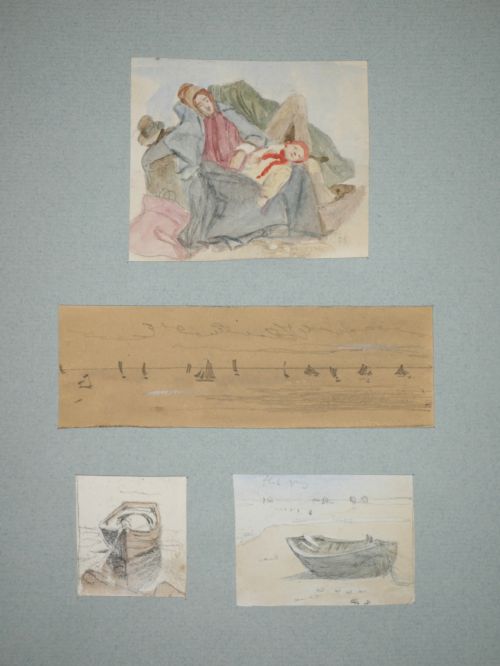
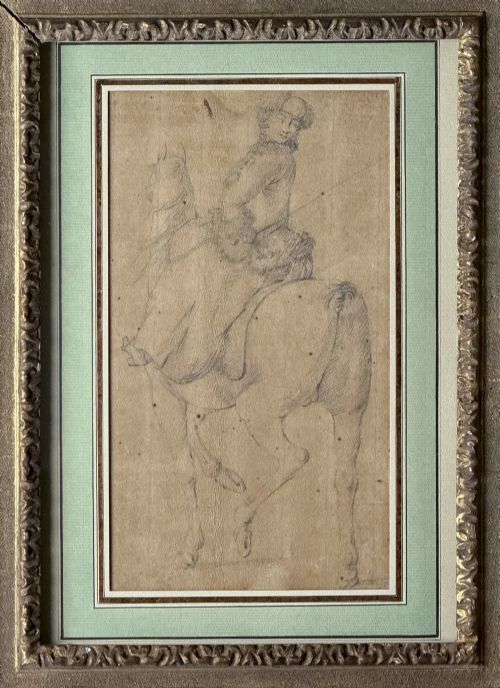
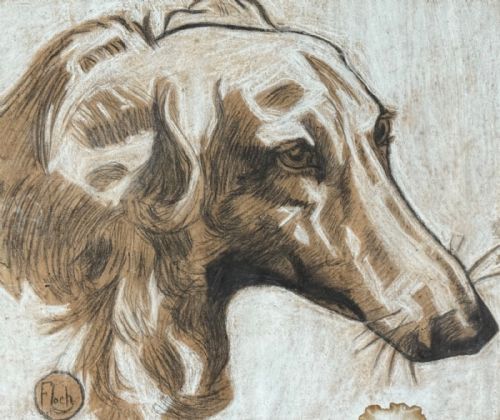
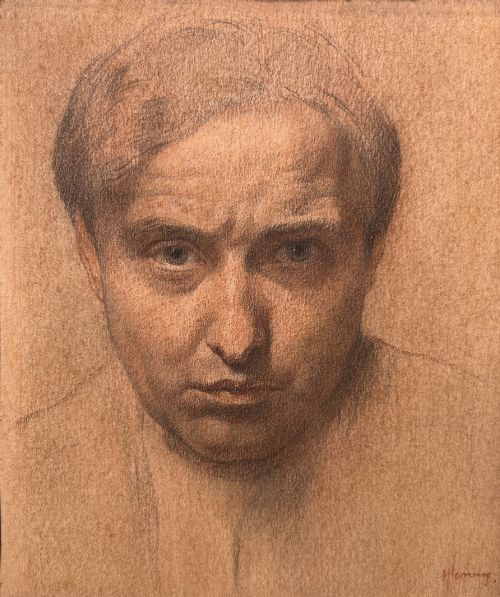
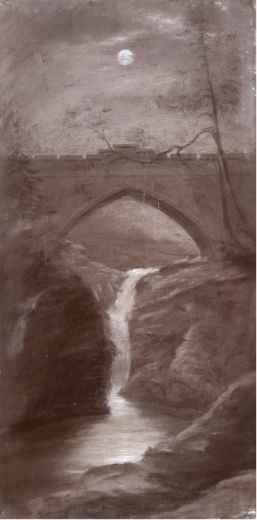
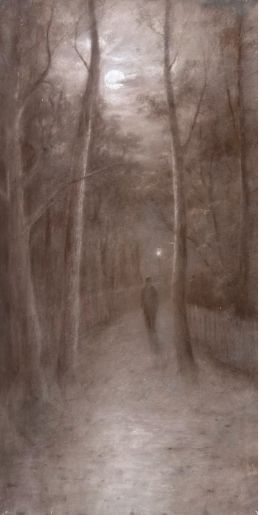
An antique sepia drawing typically takes the form of an original work on paper executed in monochrome brown tones using ink, wash, graphite or charcoal. These works span from the seventeenth century through to the twentieth century, encompassing academic studies, portraits, landscapes and architectural designs.
The versions most commonly met on this page originate from the eighteenth and nineteenth centuries, often reflecting Georgian and Victorian artistic traditions or academic life studies. Creators range from named academic artists to regional schools and anonymous draughtsmen working in pen and wash or pencil.
Materials and technique
These works rely primarily on paper supports, sometimes utilising buff or tinted sheets to enhance the tonal range of the monochrome medium. Artists applied ink, graphite, charcoal and chalk, frequently combining mediums with watercolour washes to build depth and shadow.
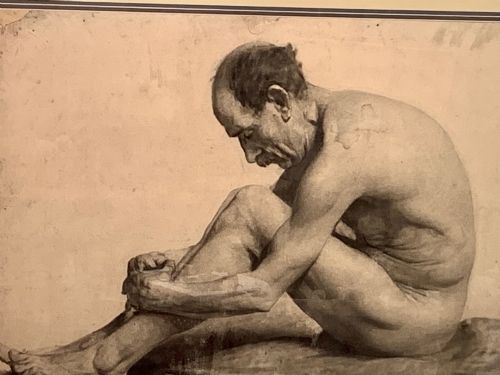
Techniques varied from preparatory compositional sketches and architectural elevations to finished portraits and academic nudes. Framing often involves period timber mouldings, glass protection and occasional gilt gesso surrounds that preserve the fragile paper surfaces.
Several drawings preserve the focused efforts of teenage students, including a royal palace elevation rendered by a seventeen-year-old in the nineteenth century.
What varies in quality
Quality in an antique sepia drawing depends upon the sureness of the draughtsmanship and the expressive economy of the line. Confident hatching, accurate anatomical proportion or precise architectural perspective separate skilled academic or master works from lesser student exercises.
The preservation of the paper support and the clarity of the monochrome pigments also influence the standard of a piece. Strong tonal contrast without excessive fading or damp staining retains the intended visual impact of the original composition.
Marjorie L Davies·Bruce Bairnsfather·James Smetham·William Marshall Craig·Johannes Lingelbach·Peter Lely·Herbert Johnson Harvey·Alfred Dehodencq·Charles James Lauder·Van Dyck·Pio Panfili·Sir Francis Leggatt Chantrey·Amos Green
The Antique Sepia Drawing Glossary
- Wash
- A diluted layer of ink or watercolour applied with a brush to create monochrome tonal gradations and shadows. It provides depth behind the sharper lines of a pen or pencil drawing.
- Academic study
- A detailed drawing executed as part of artistic training, frequently featuring life models or architectural subjects. These works demonstrate the rigorous technical standards of historic art schools.
- Gouache
- An opaque water-based medium sometimes combined with pencil or ink to add highlights and solid areas of tone. It allows artists to introduce lighter passages onto tinted or dark paper.
- Preparatory sketch
- A preliminary drawing made in preparation for a larger finished painting, print or mural. Such pieces reveal the working process and initial compositional thoughts of the artist.
- Monochrome
- Execution in a single colour or shades of a single colour, such as the brown sepia tones characteristic of historic ink and wash works.
Antique Sepia Drawing: Frequently Asked Questions
What is an antique sepia drawing?
An antique sepia drawing is a monochrome work created on paper using brown-toned ink, wash or pencil. These pieces range from rapid preparatory sketches to highly finished academic portraits and architectural studies.
They offer direct insight into historic drawing techniques and the working methods of artists across several centuries.
How should I frame and display my drawing?
Works on paper require protection from direct sunlight and high humidity to prevent the fading of ink and the degradation of the paper support. Framing behind conservation glass with suitable acid-free mounts helps preserve the physical integrity of the piece.
Displaying them in rooms with stable ambient temperatures ensures the longevity of both the artwork and any historic frame.
How can I tell the period of a drawing?
Dating relies on examining the characteristics of the paper, the framing materials and the stylistic conventions of the handwriting or signature. Costume, subject matter and academic framing styles often provide clear indicators of whether a work originates in the seventeenth, eighteenth or nineteenth century.
Comparative study of known dated works by similar schools helps narrow down the era of execution.
Were these drawings meant to be finished artworks?
Many surviving pieces were created as preliminary studies, architectural drafts or academic life exercises rather than finished exhibition pieces. Despite their functional origins, artists often rendered them with exceptional technical skill and artistic merit.
Collectors frequently prize these preparatory works for their spontaneity and direct connection to the creator's hand.